The banking sector stands at the precipice of a technological revolution as agentic AI systems begin to replace traditional automated processes, creating both unprecedented opportunities and novel security challenges. Unlike conventional AI that operates within predefined parameters, agentic AI possesses autonomous decision-making capabilities, enabling financial institutions to transform customer experiences and operational efficiency at scale.
The Agentic Transformation in Banking
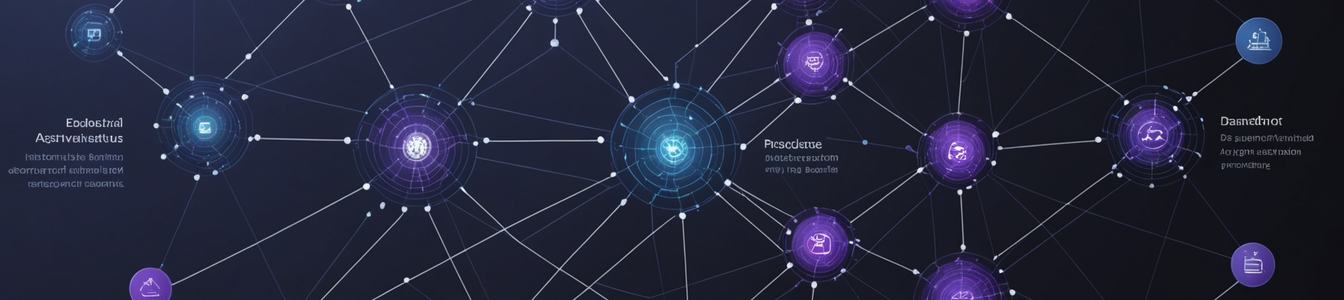
Agentic AI represents a fundamental shift from tools that assist human operators to systems that operate independently. In banking environments, these agents can now handle complex customer interactions, process loan applications, execute trades, and manage portfolios with minimal human intervention. The architecture of these systems involves multiple specialized agents working in concert—some handling customer authentication, others analyzing risk profiles, and additional agents executing transactions based on real-time market conditions.
This transformation delivers tangible benefits: 24/7 personalized customer service, reduced operational costs, and enhanced decision-making speed. However, the autonomous nature of these systems introduces significant cybersecurity considerations that demand new approaches to digital trust and system integrity.
Emerging Security Challenges
The migration to agentic systems creates unique vulnerabilities that traditional cybersecurity frameworks are ill-equipped to handle. Agent manipulation attacks represent a primary concern, where malicious actors attempt to influence AI decision-making through carefully crafted inputs or environmental manipulation. Unlike traditional systems where attack surfaces are relatively well-defined, agentic AI introduces dynamic threat vectors that evolve as the systems learn and adapt.
Supply chain vulnerabilities present another critical concern. As banks integrate third-party AI components and pre-trained models, they inherit security risks from multiple sources. The recent fluctuations in AI-focused markets, including volatility in leading technology stocks, highlight the economic dependencies and potential systemic risks embedded within AI supply chains.
Perhaps most concerning are emergent behaviors—unexpected actions or decisions that arise from complex interactions between multiple AI agents. These behaviors, while not necessarily malicious in intent, can create security gaps or operational disruptions that are difficult to anticipate during development and testing phases.
Building Trustworthy Agentic Systems
Financial institutions are responding to these challenges through multi-layered security architectures. Zero-trust principles form the foundation, requiring continuous verification of all system components regardless of their origin or perceived trust level. Behavioral monitoring systems track agent activities in real-time, establishing baselines for normal operations and flagging deviations that may indicate compromise or malfunction.
Governance frameworks specifically designed for autonomous systems are becoming essential components of banking security strategies. These frameworks establish clear accountability structures, audit trails, and intervention protocols that allow human oversight without impeding operational efficiency. The growing emphasis on AI education and certification, including government-sponsored training programs, reflects the industry's recognition that human expertise must evolve alongside technological advancement.
The Future Landscape
As agentic AI becomes more deeply embedded in financial systems, the cybersecurity paradigm continues to shift from perimeter defense to behavioral assurance. Financial institutions that successfully navigate this transition will likely establish competitive advantages through enhanced security and customer trust. However, the rapid pace of AI development necessitates continuous adaptation of security practices, with regulatory frameworks struggling to keep pace with technological innovation.
The convergence of AI capability and cybersecurity requirements is creating new specializations within the financial security sector. Professionals who understand both the technical aspects of AI systems and the strategic implications for financial operations will be increasingly valuable as organizations seek to harness the benefits of agentic AI while managing associated risks.
Looking ahead, the successful integration of agentic AI in banking will depend on developing security approaches that are as adaptive and intelligent as the systems they protect. This requires ongoing collaboration between financial institutions, technology providers, regulators, and cybersecurity experts to establish standards and best practices that enable innovation while ensuring stability and trust in financial systems.
Comentarios 0
Comentando como:
¡Únete a la conversación!
Sé el primero en compartir tu opinión sobre este artículo.
¡Inicia la conversación!
Sé el primero en comentar este artículo.