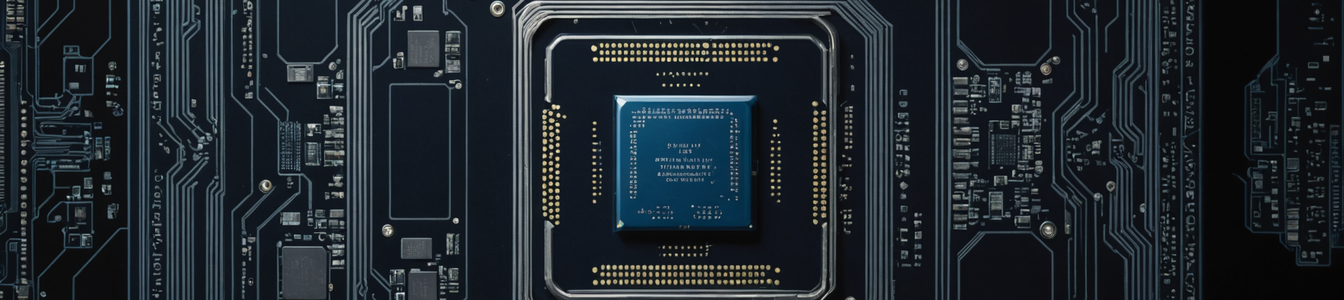
The relentless demand for artificial intelligence processing power is triggering a hardware security crisis with profound implications for global cybersecurity. While headlines focus on product delays and rising costs—such as potential holdups for next-generation consumer devices—the deeper, more insidious threat lies in the security compromises that organizations are forced to make to secure scarce components. This shortage of AI-capable chips and high-bandwidth memory is not merely a supply chain issue; it is actively degrading the security posture of critical systems across industries.
The Shortage Cascade: From Delay to Vulnerability
The core of the problem is a fundamental mismatch between explosive demand and constrained manufacturing capacity. Advanced chips required for AI workloads, alongside specialized memory like HBM (High-Bandwidth Memory), are in critically short supply. This scarcity forces device manufacturers and enterprise IT departments into a series of high-risk decisions. The most immediate impact is the delay of security updates and hardware refreshes. When new hardware is delayed, organizations run legacy systems beyond their intended lifecycle, often beyond the point where vendors provide security support, leaving known vulnerabilities unpatched.
More dangerously, the shortage pushes procurement teams toward the gray and black markets. Desperate to meet production quotas or maintain operations, companies may source components from unauthorized distributors. This introduces a significant risk of counterfeit hardware—chips, memory modules, or even entire boards that may contain hidden backdoors, fail prematurely, or lack the security features of genuine parts. A counterfeit memory chip could bypass hardware-based security enclaves, while a compromised network interface card could exfiltrate data.
Design Compromises and the "Good Enough" Security Mentality
Facing indefinite wait times for secure, first-party components, engineering teams are under immense pressure to redesign products. This often means substituting specified secure elements with more readily available, but less capable, alternatives. A security co-processor might be swapped for a standard microcontroller, or a hardware root-of-trust module might be omitted entirely, relying on software-based security that is more easily subverted. These design changes, made under duress, create permanent security weaknesses that will persist for the entire lifespan of the product, from data center servers to edge IoT devices.
The geographic dimension of this crisis is stark. In high-growth tech markets, the pressure is exponentially greater. For instance, India's aggressive push into AI and digital transformation, coupled with the dominance of Global Capability Centers (GCCs) in tech hubs like Bengaluru, is creating immense localized demand for secure hardware. This environment favors rapid deployment and cost-competitiveness, which can inadvertently sideline rigorous hardware security validation processes. The race to adopt AI narratives, as noted by market analysts, can outpace the implementation of secure foundations.
The Cybersecurity Imperative: Shifting Left on Hardware Assurance
For cybersecurity professionals, this crisis demands an evolution in strategy. Traditional software-centric security models are insufficient when the hardware itself cannot be trusted. Organizations must implement and enforce stricter hardware supply chain security protocols. This includes:
- Enhanced Verification: Deploying technical measures to verify the authenticity and integrity of hardware components upon receipt, using methods like cryptographic attestation and physical inspection.
- Supplier Diligence: Deepening due diligence on suppliers beyond Tier-1, mapping the entire sub-component supply chain to identify single points of failure or high-risk sources.
- Firmware Vigilance: Increasing scrutiny on device firmware and BIOS/UEFI, which are common attack vectors, especially on older or substitute hardware platforms.
- Compensating Controls: Implementing network segmentation and behavioral monitoring for systems built with potentially compromised or less secure hardware, limiting their ability to impact critical assets.
Conclusion: A Long-Term Challenge
The AI hardware shortage is not a transient problem. It reflects a structural shift in global technology consumption. As ammonia production forecasts suggest—with growth tied to energy and computing—the underlying industrial base is straining to keep up. The cybersecurity community must treat hardware integrity with the same seriousness as network perimeter defense and endpoint protection. The vulnerabilities being baked into systems today will be exploited for years to come. Proactive investment in hardware security assurance and supply chain resilience is no longer optional; it is a fundamental requirement for operating in an AI-driven world where the physical building blocks of computation have become both a prize and a target.
Comentarios 0
Comentando como:
¡Únete a la conversación!
Sé el primero en compartir tu opinión sobre este artículo.
¡Inicia la conversación!
Sé el primero en comentar este artículo.