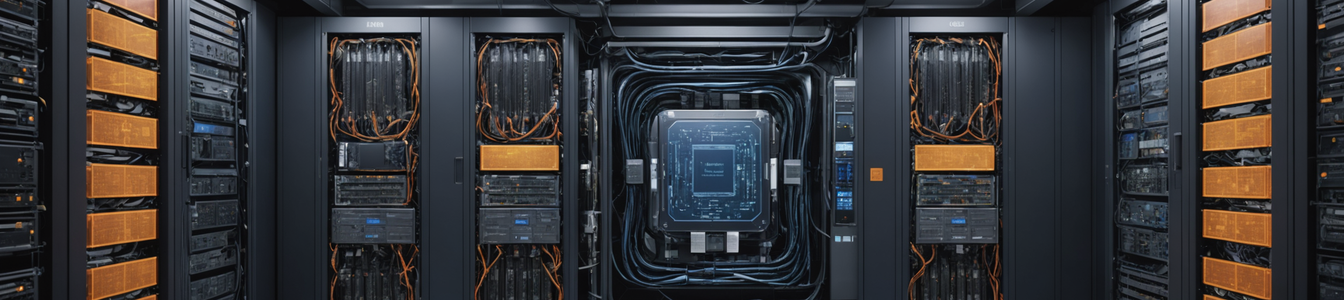
The global artificial intelligence revolution, often visualized through sleek software interfaces and powerful models, is built upon a physical foundation of silicon, steel, and electricity that is now buckling under immense strain. Beneath the headlines of AI breakthroughs lies a less-discussed crisis: the AI infrastructure boom is accumulating a dangerous and systemic 'security debt' as the scramble for hardware resources collides with a constrained global supply chain. This debt, a metaphorical accumulation of unaddressed security risks, is being woven into the very fabric of the digital future, creating critical vulnerabilities at the hardware and infrastructure layer where they are most difficult and costly to remediate.
The Demand Shock and the Supply Chain Squeeze
The catalyst is an insatiable demand for computational power. Japanese corporate data provides a macroeconomic snapshot: pretax profits for companies surged 19% in the July-September quarter, a rise directly attributed to booming AI-related demand. This corporate windfall is being funneled back into the infrastructure arms race. AI data center firm Iren's move to seek $2 billion through convertible bonds is a case in point, highlighting the enormous capital required to build the physical plants that host AI workloads. This frantic construction and investment pace is the primary driver of the global chip crunch, particularly for high-bandwidth memory (HBM) and advanced logic processors.
Innovation Under Pressure: The Rise of Untested Architectures
In response to this shortage, the industry is pivoting at breakneck speed toward alternative technologies. As experts note, the AI workload surge is creating a significant opening for alternative memory solutions and chiplet technologies. Chiplets—smaller, modular dies packaged together—offer a path to circumvent yield issues with monolithic, large dies. Similarly, new memory architectures are being explored to bypass HBM bottlenecks. While technically innovative, this rapid adoption cycle is a cybersecurity red flag. Each new interface between chiplets, each novel memory controller, and each untested firmware stack represents a new potential attack surface. These components are being designed and integrated under intense time-to-market pressure, often prioritizing functionality and performance over rigorous security auditing. The secure development lifecycle is being truncated, leaving latent vulnerabilities in hardware that may persist for its entire operational lifespan.
The Physical Layer: Concentrated Risk and Public Pushback
The security implications extend beyond the silicon to the data centers themselves. The need for vast amounts of power and cooling is driving construction into new regions, but this expansion is not universally welcomed. Polls, such as one in Central Pennsylvania, show tepid public support for new data center construction, with residents citing concerns over grid strain, water usage, and environmental impact. This public resistance creates a dual problem. First, it can force developers to cut corners on community engagement and potentially on long-term environmental resilience studies to fast-track projects, which can later impact physical security and operational continuity. Second, it may lead to over-concentration of infrastructure in more permissive jurisdictions, which could lack the regulatory rigor or geographic diversity needed for a resilient and secure ecosystem. This concentration creates attractive clusters for both physical and cyber-physical attacks.
The Accumulating Security Debt: A Ticking Time Bomb
The convergence of these factors—breakneck construction, adoption of novel hardware under duress, and a contested physical footprint—is what cybersecurity professionals are terming 'systemic security debt.' This debt manifests in several critical ways:
- Compromised Hardware Integrity: The rush to source components from alternative suppliers and the integration of complex, new chiplet packages increase the risk of hardware-level backdoors, counterfeits, and vulnerabilities in the firmware that manages these advanced systems. The supply chain security for these emerging technologies is not yet mature.
- Inadequate Lifecycle Security: The focus on rapid deployment leaves little room for establishing robust patching and firmware update mechanisms for this new class of hardware. A vulnerability discovered in a chiplet interconnect or memory controller may have no viable patch path, requiring a full hardware replacement.
- Strained Security Operations: The physical dispersion and rapid scaling of AI data centers stretch corporate security teams thin. Ensuring consistent physical security, access controls, and threat monitoring across a globally expanding, resource-intensive footprint is a monumental challenge that often lags behind expansion.
The Threat Landscape: Who Targets the Foundation?
This accumulated debt does not go unnoticed. Nation-state actors, particularly those engaged in strategic competition in AI, have a clear incentive to target this foundational layer. Compromising a widely used chiplet design, exploiting a vulnerability in a data center's power management system, or infiltrating the supply chain for a new memory technology could offer a asymmetric advantage—the ability to undermine, surveil, or disrupt entire ecosystems of AI development and deployment. Furthermore, sophisticated cybercriminal groups may find these large, centralized AI data centers lucrative targets for ransomware, given the extreme cost of downtime.
Mitigating the Crisis: A Call for Secure-by-Design Infrastructure
Addressing this systemic risk requires a paradigm shift. The cybersecurity community must engage earlier and more deeply with hardware architects, data center engineers, and supply chain managers. Principles of 'Secure-by-Design' must be enforced not just in software, but at the silicon and infrastructure level. This includes:
- Advocating for Security Transparency: Demanding detailed security architectures for chiplet interfaces and new memory technologies.
- Strengthening Supply Chain Vigilance: Developing and implementing stricter standards for hardware provenance and firmware integrity validation across multi-vendor component stacks.
- Planning for Resilience: Working with infrastructure planners to ensure new data center projects incorporate cybersecurity and physical resilience from the initial site selection and design phases, engaging with communities to build sustainable and secure facilities.
The AI arms race is not just about who has the smartest algorithm; it is increasingly about who has the most secure and resilient foundation. The hidden cost of the current boom may well be a security debt so large that it threatens the stability of the very intelligence it seeks to create. The time for the cybersecurity industry to invest in securing the physical and hardware underpinnings of AI is now, before the debt comes due.
Comentarios 0
Comentando como:
¡Únete a la conversación!
Sé el primero en compartir tu opinión sobre este artículo.
¡Inicia la conversación!
Sé el primero en comentar este artículo.