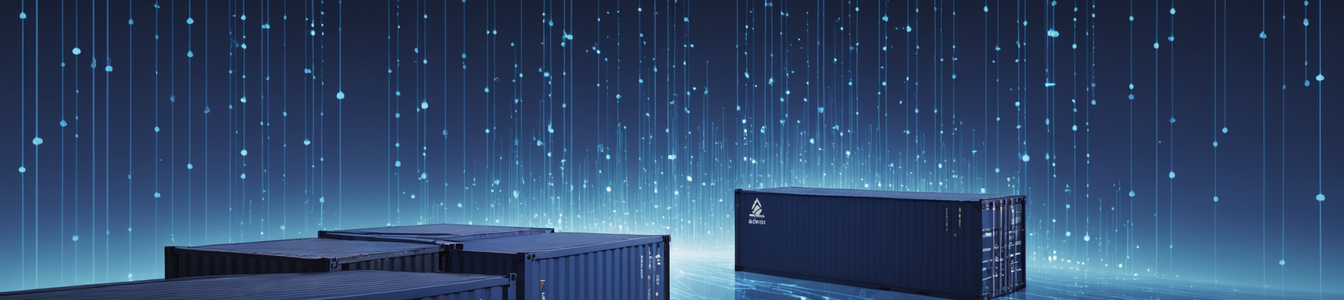
The term 'container' has become a dual-purpose vulnerability vector in modern security paradigms, representing both the software isolation units revolutionizing cloud infrastructure and the physical shipping units underpinning global trade. Recent developments across both domains reveal an alarming convergence where digital and physical supply chain risks create compounded threats to organizational security.
AI-Powered Threats Target Containerized Architectures
The emergence of advanced artificial intelligence systems capable of autonomously exploiting software vulnerabilities represents a seismic shift in container security. Systems like Anthropic's Claude Mythos demonstrate unprecedented capabilities in identifying and exploiting weaknesses in containerized applications. What makes this particularly concerning for cybersecurity professionals is the AI's reported ability to understand complex, multi-layered container environments—from Docker and Kubernetes configurations to the applications running within them.
This development coincides with major cloud providers and technology companies integrating similar AI capabilities into their ecosystems. The collaboration between AI developers and platform providers like Google, Apple, and AWS creates both defensive opportunities and offensive risks. While these integrations promise enhanced security monitoring, they also potentially expose container management systems to novel attack vectors through the very AI tools designed to protect them.
Physical Supply Chain Disruptions Impact Digital Infrastructure
Parallel to digital threats, the physical container shipping industry faces escalating risks with direct implications for digital infrastructure. The recent sinking of a container ship in the Strait of Hormuz following geopolitical tensions illustrates how physical disruptions cascade through digital systems. Modern data centers and cloud infrastructure depend on timely delivery of hardware components, specialized equipment, and even personnel—all transported via global container shipping networks.
UBS analysis of the Strait of Hormuz situation reveals broader implications: approximately 20% of global container traffic passes through this chokepoint. Disruptions here don't merely delay consumer goods; they impact server deliveries, network equipment shipments, and maintenance schedules for critical digital infrastructure. The convergence becomes evident when considering that software containers running in affected data centers may become unavailable not due to code vulnerabilities, but because replacement hardware sits stranded on disrupted shipping routes.
Security Industry Response and Innovation
The security industry is responding to these converging threats with both strategic appointments and technical innovations. Minimus, a company specializing in container security, recently appointed Yael Nardi as Chief Business Officer to drive expansion of their security offerings. This move signals growing enterprise recognition that container environments require specialized security approaches beyond traditional perimeter defenses.
Simultaneously, the open-source community and security practitioners are developing novel monitoring solutions. One notable example is a minimalist Docker container designed to provide comprehensive network monitoring with predictive alerting capabilities. This approach represents the 'shift-left' philosophy applied to container security—embedding monitoring and protection directly within the container environment rather than as an external layer. The solution demonstrates how lightweight, container-native security tools can provide visibility across increasingly complex microservices architectures.
The Urban Infrastructure Connection
Even urban transportation disruptions, like the major traffic jam triggered by an accident near Delhi's Ashram Flyover, reveal unexpected connections to digital container security. Such incidents delay personnel responsible for maintaining physical data center infrastructure and highlight the fragility of the 'last mile' in both physical and digital supply chains. Security operations centers (SOCs) dependent on shift workers, hardware technicians traveling to sites, or even routine maintenance schedules find their digital defenses compromised by physical world events.
Converged Risk Assessment Framework
Security leaders must develop new frameworks that account for this convergence. Traditional risk assessments separating 'cyber' and 'physical' security create dangerous blind spots. A converged approach should consider:
- Dependency Mapping: Document how software containers depend on physical infrastructure components and their supply chains
- Geopolitical Risk Integration: Incorporate shipping route vulnerabilities and regional instability into business continuity planning
- AI Threat Modeling: Account for emerging AI capabilities in both defensive and offensive security postures
- Redundancy Design: Ensure containerized applications can fail over across geographically diverse infrastructure with independent supply chains
Recommendations for Security Teams
- Implement container-specific security monitoring that includes supply chain provenance tracking
- Develop incident response plans that account for physical logistics disruptions affecting digital infrastructure
- Evaluate AI security tools with particular attention to their access permissions within container environments
- Establish relationships between cybersecurity teams and physical security/supply chain management functions
- Consider geographic distribution of containerized workloads to mitigate regional shipping disruptions
The container conundrum ultimately reveals that modern digital infrastructure exists not in isolation, but as deeply embedded systems within physical and geopolitical realities. As software containers become more sophisticated and widespread, their security depends increasingly on understanding and mitigating risks throughout the entire supply chain—from code repository to shipping container. Security professionals who recognize and address this convergence will be best positioned to protect their organizations in an increasingly interconnected threat landscape.
Comentarios 0
Comentando como:
¡Únete a la conversación!
Sé el primero en compartir tu opinión sobre este artículo.
¡Inicia la conversación!
Sé el primero en comentar este artículo.