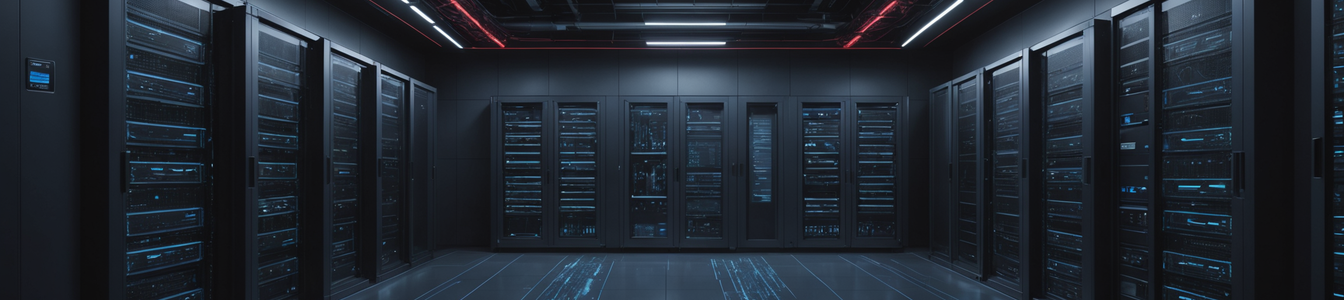
The landscape of modern conflict has undergone a fundamental transformation with the emergence of artificial intelligence infrastructure as a primary military objective. Recent escalations in the Middle East have demonstrated that private-sector data centers—particularly those powering national AI capabilities—are no longer collateral damage but deliberate targets in strategic warfare. This shift represents one of the most significant developments in cybersecurity and national defense in decades, forcing a complete reevaluation of how nations and corporations protect critical computational assets.
The New Battlefield: From Server Farms to Strategic Assets
Traditionally, data centers operated under an implicit assumption of civilian status within international conflict frameworks. The recent coordinated strikes against AI infrastructure in conflict zones have shattered this paradigm. These facilities, often operated by technology giants like Meta, Google, and Amazon, house the computational power required for everything from military logistics algorithms to national economic forecasting models. Their geographical concentration—exemplified by facilities in regions like North Louisiana that have transformed local economies and landscapes—creates both economic efficiencies and catastrophic single points of failure.
Military strategists now recognize that disabling a nation's AI capacity can deliver strategic advantages comparable to destroying traditional military hardware. An attack on a major data center cluster can simultaneously degrade military command and control, disrupt financial markets, cripple logistics networks, and undermine public confidence. The psychological impact is magnified when these attacks target infrastructure perceived as civilian, demonstrating an adversary's reach and willingness to escalate conflict beyond traditional boundaries.
Cybersecurity Implications: Beyond Digital Defense
For cybersecurity professionals, this evolution demands a radical expansion of defensive planning. Traditional cybersecurity focused on protecting data and maintaining service availability against digital threats. The new reality requires integrated physical-cyber defense strategies that consider:
- Geographic Risk Assessment: Facilities previously chosen for economic reasons (tax incentives, cheap power, land availability) must now be evaluated for geopolitical vulnerability. The transformation of rural areas into tech hubs, as seen in North Louisiana, creates visibility and targeting challenges.
- Supply Chain Resilience: AI data centers represent the convergence point of multiple fragile supply chains—semiconductors, cooling systems, power infrastructure. Disruption at any point can cascade through global networks, as evidenced by how Middle Eastern conflicts now test Asian earnings and technology sectors despite geographical distance.
- Dual-Use Technology Dilemma: The same AI capabilities that power commercial applications increasingly support national security functions. This blurring creates legal and ethical challenges for corporations operating in conflict zones or supplying services to militaries.
The Global Economic Ripple Effect
The targeting of AI infrastructure has demonstrated unexpected global economic interconnectedness. Regional conflicts that previously affected commodity prices now directly threaten technological productivity worldwide. Asian technology firms experiencing earnings rallies driven by AI megatrends find themselves vulnerable to disruptions thousands of miles away. This creates a new dimension of systemic risk where localized physical attacks create global digital disruption.
Security teams must now model scenarios where physical destruction of infrastructure combines with subsequent cyber attacks on backup systems and failover mechanisms. The attack surface has expanded from network perimeters to include power substations, fiber optic cable landing points, and even employee transportation routes.
Redefining Critical Infrastructure Protection
National governments are scrambling to update critical infrastructure definitions that largely predate the AI revolution. The private sector faces unprecedented challenges in meeting both corporate security requirements and emerging national security expectations. Key considerations include:
- Hardening Standards: Beyond fire suppression and backup generators, facilities may require ballistic protection, anti-drone systems, and geographic dispersion of critical functions.
- Information Sharing: Corporations historically reluctant to share operational details must collaborate with government agencies on threat intelligence related to physical security.
- Workforce Security: The concentration of specialized technical talent at these facilities makes them attractive targets for disruption beyond physical destruction.
The Path Forward: Resilience Through Design
The cybersecurity community must lead in developing new frameworks for what constitutes adequate protection of computational infrastructure. This includes advocating for:
- Decentralized Architectures: Moving beyond hyperscale concentration toward distributed computing models that can survive regional disruptions.
- Standardized Threat Assessments: Developing industry-wide methodologies for evaluating physical security risks alongside cyber vulnerabilities.
- International Norms: Working with governments to establish clear rules of engagement regarding civilian technology infrastructure in conflict zones.
The targeting of Meta's data center and similar facilities represents more than isolated incidents—it marks the beginning of a new era in conflict. As AI becomes increasingly central to economic and military power, the infrastructure supporting it will remain in the crosshairs. Cybersecurity professionals now bear responsibility for defending not just data, but the physical foundations of the digital age. The lessons from recent conflicts are clear: in modern warfare, the server room has become as strategic as the ammunition depot, and our defense strategies must evolve accordingly.
Comentarios 0
Comentando como:
¡Únete a la conversación!
Sé el primero en compartir tu opinión sobre este artículo.
¡Inicia la conversación!
Sé el primero en comentar este artículo.