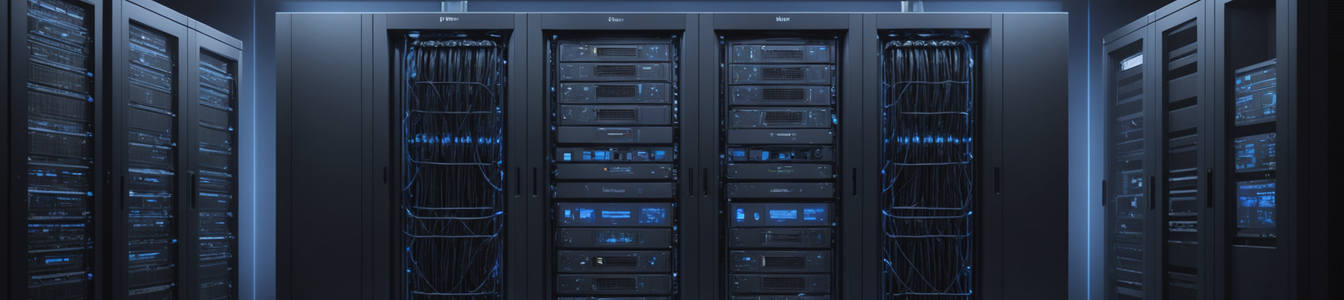
The artificial intelligence revolution is facing an infrastructure crisis that cybersecurity professionals can no longer ignore. Behind the impressive capabilities of large language models and generative AI lies a fragile ecosystem of data centers operating at unprecedented scale—and with unprecedented risk. What began as a technological breakthrough has evolved into what industry analysts now call "The Great AI Infrastructure Gamble," where massive debt-fueled expansion meets systemic security vulnerabilities that threaten the entire digital economy.
Energy Grids: The Achilles' Heel of AI Infrastructure
The most immediate vulnerability lies in the staggering energy demands of AI data centers. In California's Silicon Valley, projections indicate that AI data centers could nearly triple San Jose's energy consumption, pushing local grids to their physical limits. This concentration of power creates single points of failure that are increasingly attractive targets for sophisticated threat actors. Nation-state attackers could potentially cripple regional AI capabilities by targeting substations or transmission lines, while ransomware groups might find energy providers more lucrative targets than the data centers themselves.
Cybersecurity teams are now facing the complex challenge of securing not just the data centers, but the entire energy supply chain that supports them. The traditional perimeter defense model collapses when critical infrastructure dependencies extend far beyond the data center walls. This requires unprecedented coordination between energy sector security teams and data center operators—a collaboration that remains underdeveloped in most regions.
The Tenant Risk: When AI Startups Become Liability
Financial instability among AI companies renting data center space creates another layer of systemic risk. Many data center expansions have been financed through debt, predicated on long-term contracts with AI startups and enterprises. However, as the Reuters analysis indicates, "shaky data centre tenants could choke off AI boom" if these companies fail to achieve profitability. A wave of defaults could trigger financial distress among data center operators, potentially leading to reduced security investments, maintenance delays, and staffing cuts—all of which degrade cybersecurity posture.
This creates a dangerous feedback loop: financially stressed data centers cut security spending, making them more vulnerable to attacks, which further damages tenant confidence and revenue. Cybersecurity professionals must now incorporate financial risk assessment into their threat models, evaluating not just technical vulnerabilities but the economic stability of infrastructure partners.
Global Expansion, Local Vulnerabilities
The infrastructure gamble is going global at an astonishing pace. Following the meeting between Indian Prime Minister Narendra Modi and Microsoft CEO Satya Nadella, Asia is experiencing its largest technology investment wave, with massive data center projects announced across India and Southeast Asia. While this geographic diversification reduces some concentration risks, it introduces new challenges: varying regulatory environments, inconsistent security standards, and different threat landscapes.
In emerging markets, data centers may face additional vulnerabilities including less resilient power grids, limited local cybersecurity expertise, and different approaches to critical infrastructure protection. The rapid pace of construction also raises concerns about security being treated as an afterthought rather than a foundational requirement.
The Cybersecurity Implications: Beyond Traditional Models
These converging risks require a fundamental rethinking of cybersecurity approaches for AI infrastructure:
- Supply Chain Security at Scale: The AI infrastructure supply chain extends from chip manufacturers to energy providers to cooling system vendors. Each link represents a potential attack vector that could compromise entire AI ecosystems.
- Resilience Engineering: Traditional high availability designs are insufficient for AI infrastructure. Systems must be designed to withstand not just technical failures but financial shocks, energy disruptions, and coordinated multi-vector attacks.
- Regulatory Fragmentation: Different jurisdictions have varying requirements for critical infrastructure protection, creating compliance gaps that attackers can exploit. The lack of international standards for AI infrastructure security represents a significant vulnerability.
- Workforce Challenges: The rapid expansion has created a shortage of security professionals with expertise in both AI systems and critical infrastructure protection.
The Path Forward: Securing the Foundation
Addressing these systemic risks requires coordinated action across multiple fronts. Industry consortia must develop security standards specifically for AI infrastructure. Governments need to update critical infrastructure regulations to account for the unique characteristics of AI data centers. Insurance providers should incorporate cybersecurity maturity into their underwriting criteria for data center projects.
Most importantly, cybersecurity leadership must have a seat at the table during the planning stages of AI infrastructure projects, not brought in as an afterthought. The technical requirements of AI systems—massive parallel processing, specialized cooling needs, unprecedented power density—create unique security challenges that traditional data center experience doesn't address.
The stakes couldn't be higher. As AI becomes embedded in everything from healthcare to financial systems to national defense, the security of AI infrastructure becomes synonymous with the security of society itself. The current infrastructure gamble represents both tremendous opportunity and unprecedented risk. How the cybersecurity community responds in the coming months will determine whether the AI revolution has a secure foundation or is building on digital sand.
Comentarios 0
Comentando como:
¡Únete a la conversación!
Sé el primero en compartir tu opinión sobre este artículo.
¡Inicia la conversación!
Sé el primero en comentar este artículo.