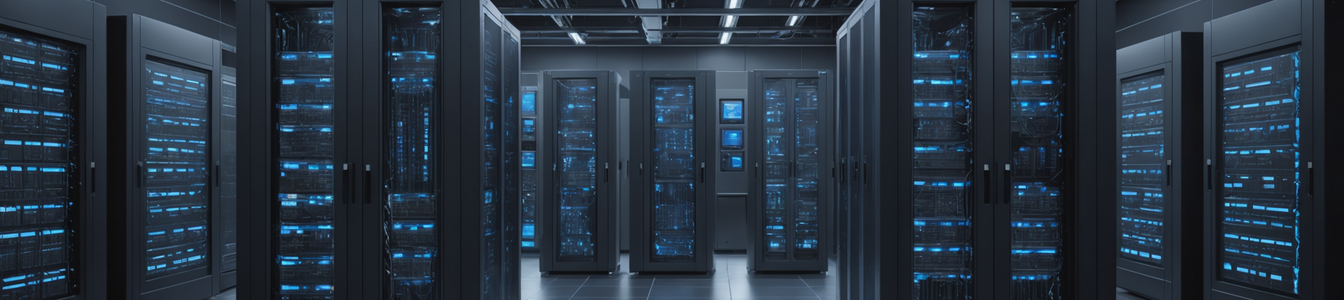
The narrative surrounding artificial intelligence often orbits the virtual: algorithms, large language models, and lines of code. However, a fierce and tangible conflict is unfolding on the ground, where the physical infrastructure required to power the AI revolution—data centers—is becoming a nexus of geopolitical tension, community pushback, and national security concerns. This clash over land, power, and control is redefining what it means to secure the AI ecosystem, moving the battlefield from cyberspace to the physical world.
Community Resistance: The High Cost of Land and Legacy
The story from rural Kentucky is emblematic of a growing trend. A family farm, a multi-generational legacy, was presented with a life-altering offer: $26 million to sell its land for the construction of a new AI data center. The family's refusal, captured in their statement, "We're not stupid," speaks volumes. It underscores a calculation beyond immediate financial gain, weighing the permanent loss of agricultural land, potential environmental strain on local water and power resources, and community character against a one-time payout. This is not an isolated incident. As tech giants and investment firms scour the globe for suitable locations—areas with cheap land, abundant power, and water for cooling—they are increasingly meeting resistance from communities concerned about their long-term sustainability and identity. For cybersecurity strategists, this local resistance creates supply chain vulnerabilities. Concentrated AI infrastructure in fewer, potentially contested locations creates single points of failure, making the physical plants attractive targets for sabotage, activism, or espionage.
Geopolitical Stranglehold: When AI Chips Become State Secrets
Parallel to the land wars, a more covert conflict is playing out in the realm of strategic assets. Reports indicate that Chinese authorities have barred the co-founders of Manus, a promising AI chip startup, from leaving the country as the government reviews its potential sale to Meta. This move highlights how core AI hardware components are now treated as critical national security assets. The Chinese government's intervention to scrutinize—and potentially block—the transfer of advanced semiconductor intellectual property and talent to a U.S. tech giant is a clear act of techno-geopolitical containment. It signals a future where the flow of AI-enabling technology is tightly controlled by state actors, creating balkanized supply chains. For the cybersecurity industry, this has direct implications. Reliance on hardware from geopolitically tense regions introduces profound risks of embedded vulnerabilities, backdoors, or future embargoes that could cripple AI systems. Securing AI now requires deep visibility and assurance across the entire semiconductor supply chain, from design to fabrication.
Strategic Investment: The Singapore Gambit
Amidst these tensions, the announcement that Bridge Data Centres plans to invest up to S$5 billion (approximately US$3.7 billion) in Singapore's AI infrastructure represents the other side of the coin: aggressive capital deployment to secure a dominant position in the AI future. Singapore, with its political stability, strategic location, and advanced digital economy, is positioning itself as a neutral, secure hub for AI infrastructure in Asia. This massive investment is not just about building server racks; it's about claiming sovereignty in the digital-physical nexus. It ensures that a significant portion of the region's AI processing will occur within a jurisdiction known for its robust legal and security frameworks. For cybersecurity leaders, the rise of such "trusted hubs" offers a potential model for risk mitigation. It encourages the diversification of AI infrastructure across politically stable regions with strong cybersecurity postures, reducing over-reliance on any single, potentially volatile jurisdiction.
The Cybersecurity Imperative: Redefining Critical Infrastructure
These converging stories mandate a fundamental shift in how the cybersecurity community views AI security. The attack surface has dramatically expanded.
- Physical Security is Cyber Security: AI data centers are high-value targets. Their security must integrate traditional physical protection (perimeter security, access controls) with advanced cyber-physical system (CPS) security to prevent attacks on cooling systems, power substations, or network cabling that could cause catastrophic downtime.
- Supply Chain as a Core Security Domain: The Manus case illustrates that hardware supply chain security is paramount. Organizations must adopt frameworks for verifying the provenance and integrity of AI chips and servers, employing hardware root of trust and zero-trust principles for physical components.
- Environmental and Community Risk as Operational Risk: The Kentucky case shows that social license to operate is a genuine security factor. Projects that trigger strong local opposition are at higher risk of protests, legal challenges, and political intervention, which can delay or derail critical infrastructure projects. Risk assessments must now include socio-environmental factors.
- Geopolitical Intelligence: Security teams must incorporate geopolitical analysis into their threat models. Understanding trade policies, export controls, and international tensions around technology is essential for predicting and mitigating disruptions to AI infrastructure and supply chains.
In conclusion, the AI infrastructure wars reveal that the next frontier in cybersecurity is decidedly terrestrial. Protecting the promise of AI requires securing the very ground it is built upon, the power that feeds it, and the intricate global supply chains that create its core components. The professionals who will succeed are those who can think beyond the firewall, securing a complex ecosystem where land rights, chip fabrication, and international diplomacy are as critical as patching software vulnerabilities. The battle for AI supremacy will be won not only by those with the best algorithms but by those who can most effectively secure the physical world that makes those algorithms possible.
Comentarios 0
Comentando como:
¡Únete a la conversación!
Sé el primero en compartir tu opinión sobre este artículo.
¡Inicia la conversación!
Sé el primero en comentar este artículo.