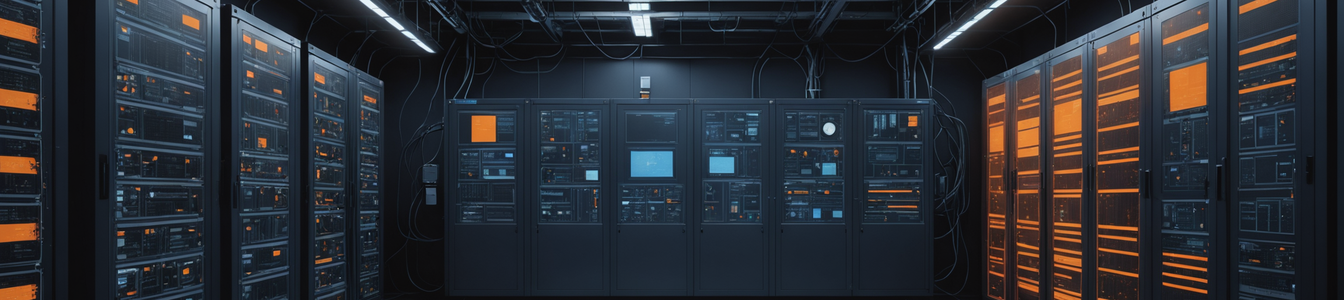
The artificial intelligence revolution is revealing an inconvenient truth: beyond the algorithms and silicon lies a voracious appetite for physical resources that threatens to destabilize critical infrastructure systems worldwide. As financial institutions like JP Morgan warn of significant power, resource, and safety hurdles facing AI growth, cybersecurity professionals are recognizing that the most pressing vulnerabilities may not be in the code, but in the power grids and water supplies that sustain it.
The Resource Crisis: Power and Water Constraints
AI's computational demands are creating unprecedented pressure on energy infrastructure. Training advanced models like GPT-4 required approximately 1,300 megawatt-hours of electricity—enough to power 130 average U.S. homes for a year. As models grow more complex, this demand is projected to increase exponentially. What concerns infrastructure security experts is not just the scale of consumption, but its concentration in specific geographic regions, creating attractive targets for both physical and cyber attacks.
The water footprint is equally alarming. A single data center supporting AI operations can consume between 1 and 5 million gallons of water daily for cooling systems—more than the daily water usage of a city of 50,000 people. In water-stressed regions like parts of India, where AI development is accelerating rapidly, this creates both environmental stress and security vulnerabilities. Attackers targeting water supplies could effectively disable AI infrastructure, while competition for resources could spark social conflicts that destabilize regions hosting critical computational assets.
Infrastructure Security Implications
From a cybersecurity perspective, AI's resource dependence creates several concerning scenarios:
- Grid Vulnerability Concentration: Massive data centers create single points of failure in energy grids. A successful cyber-physical attack on a substation serving an AI cluster could disrupt not just computational capabilities but also regional power stability.
- Water Supply Targeting: Cooling systems represent a critical dependency. Threat actors, whether state-sponsored or criminal, could exploit water treatment or distribution systems to create cascading failures in AI infrastructure.
- Resource Competition as Attack Vector: The scarcity of power and water creates incentives for malicious actors to manipulate markets or create artificial shortages, potentially disrupting AI operations for financial or political gain.
- Supply Chain Vulnerabilities: The geographic concentration of AI infrastructure in regions with specific resource advantages creates supply chain risks, particularly when those regions face climate-related stresses like droughts or heatwaves.
Social Stability and Security Intersections
The human dimension of AI expansion presents additional security challenges. As highlighted by recent incidents in India, job displacement caused by AI adoption can lead to social instability. In one documented case, an 18-year-old graphic designer turned to theft after losing employment to AI tools, claiming the technology had eliminated his livelihood. While individual cases may seem disconnected from infrastructure security, they represent a broader pattern: rapid technological displacement without adequate social safeguards can increase criminal activity, social unrest, and potentially create recruitment opportunities for hacktivist groups targeting the very corporations driving AI adoption.
This creates a complex security landscape where protecting AI infrastructure requires not just technical controls but also consideration of socioeconomic factors that might motivate attacks.
Regional Focus: India's AI Boom and Security Implications
India's rapid embrace of AI technology illustrates these challenges in microcosm. The country is simultaneously pursuing aggressive AI development while facing significant infrastructure constraints. Power outages remain common in many regions, and water scarcity affects numerous states. The concentration of AI data centers in such an environment creates what security analysts term 'resource pressure points'—locations where infrastructure is already strained and therefore more vulnerable to disruption.
Environmental costs are becoming security concerns. As data centers compete with agricultural and residential users for limited water resources, they become focal points for social tension. Security teams must now consider not just cyber threats but also physical protests, sabotage, or politically motivated attacks stemming from resource competition.
Strategic Recommendations for Cybersecurity Professionals
- Expand Threat Models: Traditional cybersecurity frameworks must incorporate resource dependencies. Threat modeling should include scenarios involving power grid disruption, water supply contamination, and climate-related events affecting infrastructure.
- Develop Cross-Sector Partnerships: Protecting AI infrastructure requires collaboration with energy and water utility security teams. Information sharing about threats to interdependent systems is crucial.
- Implement Resilience Architectures: AI deployments should be designed with resource resilience in mind, including geographic distribution, alternative cooling technologies, and on-site backup resources.
- Monitor Social Indicators: Security operations centers should incorporate socioeconomic data into their threat intelligence, tracking indicators of social unrest related to technological displacement or resource competition.
- Advocate for Sustainable Design: Cybersecurity leaders should influence AI infrastructure planning to prioritize designs that minimize resource dependencies and environmental impacts, thereby reducing attack surfaces.
The Path Forward
The AI resource crisis represents a paradigm shift in how we conceptualize infrastructure security. No longer can we consider computational systems in isolation from their physical dependencies. The cybersecurity community must lead in developing integrated protection strategies that address both digital and physical vulnerabilities.
As JP Morgan's analysis suggests, the hurdles facing AI are not merely technical but infrastructural and social. Addressing these challenges requires a holistic security approach that recognizes the interconnectedness of technological systems, critical infrastructure, and social stability. The organizations that succeed in navigating this complex landscape will be those that treat resource security not as an afterthought, but as a foundational element of their AI strategy.
The coming years will test whether our infrastructure can support AI's ambitions—and whether our security frameworks can protect the vulnerable intersections where silicon meets society. For cybersecurity professionals, this represents both a formidable challenge and an opportunity to redefine what comprehensive protection means in an increasingly resource-constrained world.
Comentarios 0
Comentando como:
¡Únete a la conversación!
Sé el primero en compartir tu opinión sobre este artículo.
¡Inicia la conversación!
Sé el primero en comentar este artículo.