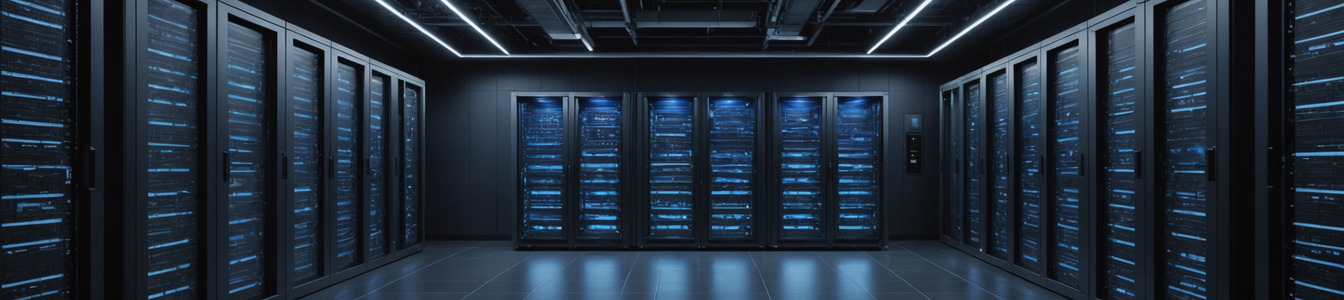
The artificial intelligence revolution is no longer just a software phenomenon—it's fundamentally reshaping the physical world of critical infrastructure, creating unprecedented security challenges that span from power grids to supply chains. Recent financial reports from industrial giants and market analyses reveal a troubling pattern: the AI-driven datacenter boom is creating systemic vulnerabilities that cybersecurity professionals are only beginning to comprehend.
The Energy Security Conundrum
Rolls-Royce's recent financial performance tells a revealing story. The company reported a staggering 40% surge in profits, largely driven by booming demand for power generation systems supporting AI datacenters. This isn't merely a business success story—it's a warning signal about the massive energy appetite of modern AI infrastructure. Each new datacenter represents not just a digital asset but a critical energy consumer that depends on reliable, secure power delivery.
This creates a dual security challenge. First, the power infrastructure itself becomes a higher-value target. Attacks on substations, generation facilities, or transmission networks could now disrupt not just traditional consumers but the AI ecosystems driving economic growth. Second, the physical security of these energy-intensive datacenters becomes paramount. They're no longer just server farms; they're strategic assets requiring protection levels approaching those of traditional critical infrastructure.
Supply Chain Pressures and Component Security
The ripple effects extend to hardware supply chains. As reported in industry analyses, storage and RAM prices continue to soar amid unprecedented demand. SanDisk's expansion of its portable SSD range represents just one response to market pressures that affect everything from consumer devices to enterprise infrastructure.
For cybersecurity professionals, this creates multiple concerns. Component shortages can lead to:
- Increased use of gray market or counterfeit hardware with unknown security properties
- Pressure to accelerate deployment without proper security validation
- Extended lifecycle for vulnerable equipment due to replacement delays
- Complexities in maintaining consistent security postures across heterogeneous environments
The storage component market's volatility particularly affects encryption implementations, key management systems, and secure disposal protocols—all foundational elements of data security.
Market Forces Outpacing Security Implementation
European and global markets are soaring on AI optimism, with tech stocks experiencing significant gains amid what analysts term "AI disruption and market uncertainty." This financial enthusiasm creates a dangerous dynamic: the rush to capitalize on AI opportunities is accelerating deployment timelines beyond what security teams can properly assess and harden.
This market-driven acceleration manifests in several security gaps:
- Reduced testing cycles for security implementations
- Increased reliance on third-party components with opaque security postures
- Pressure to prioritize functionality over security in deployment decisions
- Complex multi-vendor environments that complicate security management
The Convergence Security Imperative
The AI infrastructure boom represents the ultimate convergence of physical and digital security domains. Security teams must now develop expertise in areas traditionally outside their purview:
Physical-Digital Interface Security: Protecting the points where digital systems interact with physical infrastructure—power management systems, cooling controls, physical access systems that are increasingly network-connected.
Supply Chain Integrity: Implementing robust verification for hardware components amid market shortages and competitive pressures.
Interdependency Management: Understanding how power availability, cooling capacity, and network connectivity create complex failure modes that adversaries could exploit.
Regulatory and Compliance Evolution: Navigating emerging regulations around AI infrastructure that will inevitably include security requirements for these critical assets.
Strategic Recommendations for Security Teams
- Conduct Infrastructure Dependency Mapping: Identify all critical dependencies between AI systems and supporting infrastructure, particularly energy and cooling.
- Develop Convergence Security Playbooks: Create integrated response plans that address both physical and digital aspects of infrastructure attacks.
- Enhance Supply Chain Security: Implement rigorous verification processes for all hardware components, with particular attention to storage and processing elements.
- Engage with Facilities Teams: Build collaborative relationships with physical infrastructure teams to develop holistic security postures.
- Monitor Market Developments: Track component availability and pricing trends as early indicators of potential security compromises.
- Advocate for Security by Design: Ensure security considerations are embedded in AI infrastructure planning from initial design through deployment.
The AI power surge represents both tremendous opportunity and unprecedented risk. As datacenters become more energy-intensive and economically critical, they also become more attractive targets. The security community's response will determine whether this infrastructure becomes a foundation for secure innovation or a systemic vulnerability in our increasingly digital world. The time for integrated, convergence-aware security strategies is now—before incidents rather than after them drive our security priorities.
Comentarios 0
Comentando como:
¡Únete a la conversación!
Sé el primero en compartir tu opinión sobre este artículo.
¡Inicia la conversación!
Sé el primero en comentar este artículo.