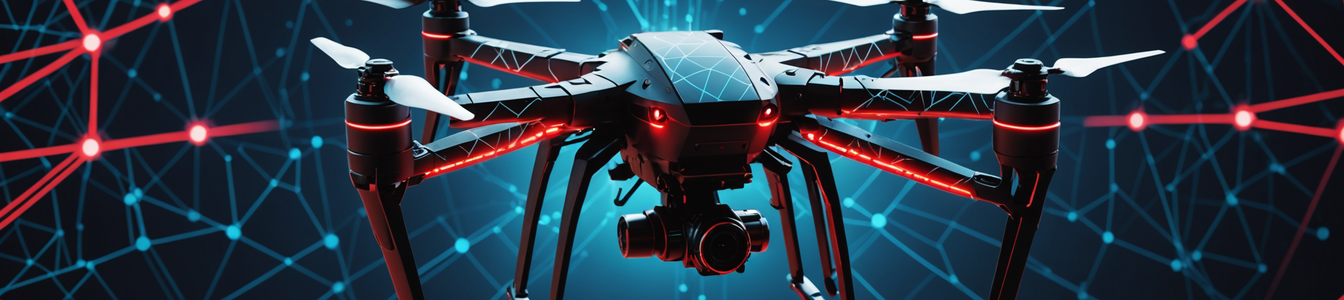
The rapid evolution of artificial intelligence-powered unmanned aerial vehicles (UAVs) is fundamentally reshaping national security operations across multiple domains, from maritime surveillance to critical infrastructure protection and emergency response coordination. This technological revolution represents one of the most significant developments in security convergence since the digital age began.
Recent strategic deployments underscore this transformation. The United States has enhanced Philippine maritime security capabilities through the deployment of advanced Reaper drones, providing unprecedented surveillance and monitoring capabilities in contested waters. These systems offer persistent intelligence gathering and real-time situational awareness that traditional methods cannot match, marking a strategic shift in how nations approach maritime domain awareness.
The financial markets are responding enthusiastically to this technological revolution. Companies specializing in defense technology, such as India's Paras Defence, are experiencing remarkable growth, with recent reports indicating a 50% surge in net profits and substantial stock price increases. This investor confidence reflects the growing recognition that AI-driven security technologies represent not just military advantages but substantial economic opportunities in the global security market.
Corporate strategy is also aligning with this trend. VisionWave's recent letter of intent to acquire a BladeRanger subsidiary demonstrates how companies are positioning themselves to capitalize on the expanding market for AI-driven drone capabilities. This strategic move aims to enhance capabilities across multiple sectors, including perimeter security, critical infrastructure monitoring, and emergency response coordination during natural disasters or security incidents.
From a cybersecurity perspective, the integration of AI into drone systems introduces both opportunities and challenges. The autonomous decision-making capabilities of these systems require sophisticated cybersecurity protocols to prevent unauthorized access, data breaches, and potential system manipulation. Security professionals must address vulnerabilities in communication links, navigation systems, and data storage while ensuring these systems can operate effectively in electronically contested environments.
The convergence of physical and digital security domains creates new operational paradigms. Modern drone systems now incorporate advanced encryption, secure data transmission protocols, and AI-powered threat detection algorithms that can identify potential cyber threats in real-time. These capabilities enable security forces to respond more effectively to emerging threats while maintaining the integrity of their operational systems.
Infrastructure protection represents another critical application area. AI-powered drones can monitor pipelines, power grids, and transportation networks with greater efficiency and lower costs than traditional methods. Their ability to process vast amounts of visual and sensor data enables early detection of security breaches, structural weaknesses, or unauthorized activities that might otherwise go unnoticed.
Emergency response operations are similarly being transformed. During natural disasters or security incidents, AI-driven drones can rapidly assess situations, identify hazards, and coordinate response efforts without putting human personnel at risk. Their integration with other security systems creates comprehensive situational awareness that enhances decision-making and resource allocation.
The global nature of this technological shift requires international cooperation on standards and protocols. As more nations adopt AI-powered drone systems for security operations, establishing common cybersecurity frameworks becomes essential to prevent conflicts and ensure interoperability during multinational security operations or humanitarian missions.
Looking forward, the continued advancement of AI technologies promises even more sophisticated capabilities. Machine learning algorithms will enable drones to adapt to evolving threats autonomously, while quantum-resistant encryption will protect communications from future computational threats. The security community must remain vigilant in addressing the ethical implications and potential vulnerabilities of these increasingly autonomous systems.
As this technology continues to evolve, security professionals must balance innovation with responsibility, ensuring that AI-powered drone systems enhance security without compromising privacy or creating new vulnerabilities. The ongoing revolution in drone technology represents not just a change in capabilities but a fundamental rethinking of how nations approach security in an increasingly complex and interconnected world.
Comentarios 0
Comentando como:
¡Únete a la conversación!
Sé el primero en compartir tu opinión sobre este artículo.
¡Inicia la conversación!
Sé el primero en comentar este artículo.