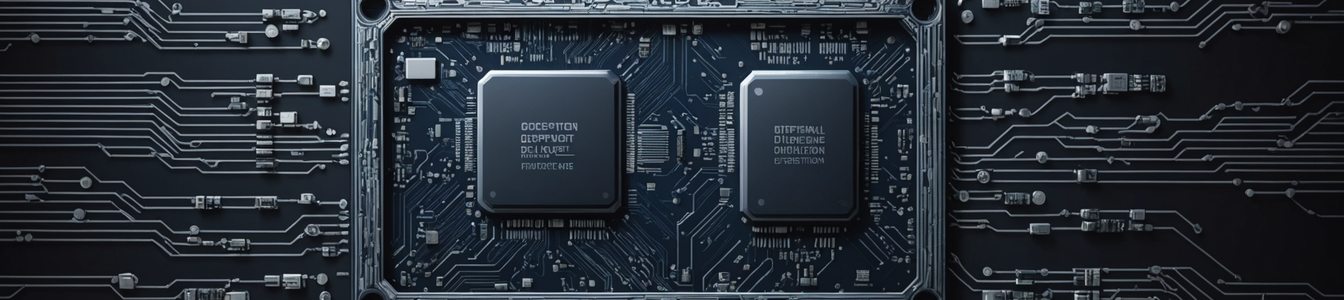
The artificial intelligence revolution is creating an unexpected and dangerous side effect: a hardware security crisis of unprecedented scale. As companies scramble to capitalize on the AI gold rush, critical shortages in memory, storage, and specialized components are forcing manufacturers to make security compromises that leave devices and infrastructure vulnerable to attack. This supply chain crisis represents one of the most significant cybersecurity challenges of our time, affecting everything from consumer smartphones to enterprise data centers.
The Accelerated Hardware Race and Its Consequences
The pressure to deliver AI-capable devices is pushing manufacturers to accelerate release cycles beyond sustainable limits. Google's reported plan to launch its next Pixel phone ahead of Samsung's Galaxy S26 series exemplifies this trend. When hardware development timelines are compressed, security testing and validation processes are often the first casualties. Firmware vulnerabilities, insecure boot processes, and inadequate hardware-based security features become more likely as engineering teams race against competitors rather than focusing on comprehensive security implementation.
This acceleration is particularly concerning given the complex security requirements of AI systems. Neural processing units (NPUs), specialized memory architectures, and AI-optimized power management systems introduce new attack surfaces that require thorough security assessment—assessment that's being shortcut in the rush to market.
Memory and Component Shortages: The Security Trade-Off
The AI boom has created unprecedented demand for high-performance memory like DDR5 RAM, leading to shortages that are forcing difficult choices. While promotions like Newegg's $50 discount on 16GB DDR5-6000 kits might seem like consumer benefits, they reflect a larger market dynamic where manufacturers are cutting corners to meet demand. When memory is scarce and expensive, manufacturers may:
- Use lower-grade memory chips with less reliable error correction
- Implement weaker memory isolation between processes
- Reduce security-dedicated memory allocations
- Compromise on memory encryption implementations
These decisions directly impact system security. Inadequate memory protection can lead to Rowhammer attacks, buffer overflow exploits, and memory corruption vulnerabilities that bypass software security measures entirely. The situation is exacerbated by the fact that AI workloads are particularly memory-intensive, creating additional pressure to allocate resources away from security functions.
Power Supply and Infrastructure Vulnerabilities
The hardware security crisis extends to supporting infrastructure components like power supplies. Reviews of products like the be quiet! Pure Power 13 M 650W unit highlight the industry's focus on performance and reliability, but security considerations often take a backseat. Power supply units (PSUs) with inadequate protection against voltage fluctuations or insufficient isolation can create hardware-level vulnerabilities that enable:
- Firmware manipulation through power cycling attacks
- Data corruption through controlled power anomalies
- Side-channel attacks exploiting power consumption patterns
As AI systems demand more power and more stable power delivery, the security implications of power infrastructure become increasingly critical. Compromised PSUs can serve as entry points for persistent hardware-level attacks that survive operating system reinstalls and traditional security measures.
The AI-Generated Threat Amplification
While hardware shortages create vulnerabilities, AI technology itself is amplifying threats. The reported surge in AI-generated child sexual abuse material represents just one facet of how AI is enabling new forms of malicious content creation at scale. This creates a dual challenge: hardware that's less secure due to supply chain pressures must now defend against increasingly sophisticated AI-powered attacks.
AI-generated phishing content, deepfake social engineering, and automated vulnerability discovery tools are becoming more accessible to attackers. Meanwhile, the hardware meant to run defensive AI systems is often compromised by the very shortages created by the AI boom. This creates a dangerous asymmetry where attackers can leverage AI capabilities more effectively than defenders constrained by hardware limitations.
Solid-State Batteries and Mobile Security Implications
The emerging transition to solid-state battery technology, while promising longer life and faster charging, introduces new security considerations. As these batteries integrate more deeply with device management systems and potentially include firmware of their own, they create additional attack surfaces. The rush to implement this "next breakthrough" technology, driven by consumer demand for better AI device performance, may outpace proper security implementation.
Battery management systems with inadequate security can enable:
- Device bricking through malicious firmware updates
- Performance throttling attacks
- Data exfiltration through power management channels
- Physical safety risks through manipulated charging parameters
The Cybersecurity Community's Response
Security professionals must adapt to this new landscape by:
- Implementing enhanced hardware verification in procurement processes
- Developing hardware-aware security monitoring that can detect component-level anomalies
- Advocating for security-by-design in hardware development, even under time pressure
- Creating contingency plans for operating securely with potentially compromised hardware
- Pushing for industry standards that mandate minimum security features regardless of market pressures
Looking Forward: A Call for Balanced Innovation
The AI revolution doesn't have to come at the cost of security. By recognizing the interconnected nature of hardware shortages, rushed development cycles, and emerging threats, the technology industry can develop more sustainable approaches. This includes:
- Investing in secure hardware development even during shortage periods
- Developing AI systems that are efficient enough to run securely on available hardware
- Creating regulatory frameworks that prioritize security in critical components
- Fostering transparency about security compromises made due to supply constraints
The current crisis represents a pivotal moment for cybersecurity. How the industry responds to these hardware security challenges will determine whether AI development proceeds securely or creates vulnerabilities that will plague digital infrastructure for years to come. The time for action is now, before these trade-offs become institutionalized and the cost of remediation becomes prohibitive.
Comentarios 0
Comentando como:
¡Únete a la conversación!
Sé el primero en compartir tu opinión sobre este artículo.
¡Inicia la conversación!
Sé el primero en comentar este artículo.