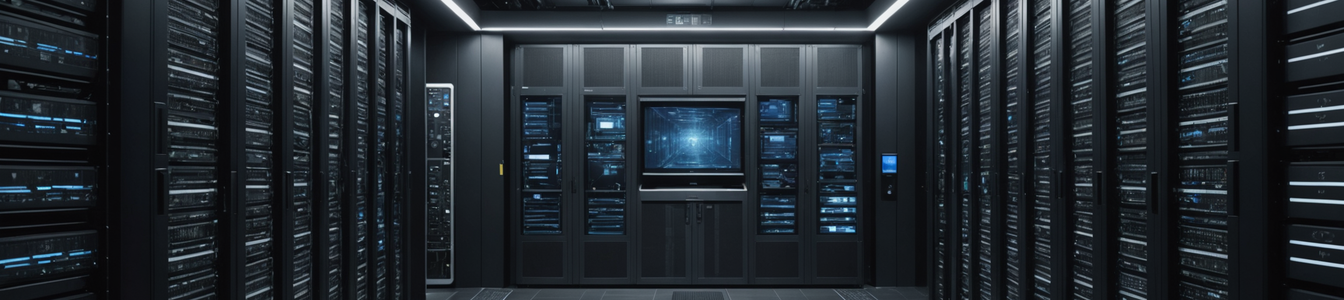
The global information technology sector is caught in a powerful, contradictory vortex. The promised land of Generative AI (GenAI) offers unprecedented growth and innovation, but the journey to reach it is proving brutally expensive, triggering immediate financial strain, workforce upheaval, and exposing severe underlying infrastructure vulnerabilities. This 'AI Reshuffle' is not a distant forecast; it is a present-tense crisis with profound implications for enterprise security and critical infrastructure resilience.
The Immediate Cost: Workforce Reductions and Earnings Pressure
The bill for AI ambition is coming due, and it is being paid in human capital. In a stark move highlighting the immense capital requirements of AI infrastructure, tech giant Oracle is reportedly planning to slash thousands of jobs globally. According to sources, these cuts are a direct strategy to free up capital and redirect resources toward its aggressive push to build out next-generation data centers capable of handling massive AI workloads. This move underscores a painful industry truth: funding the AI future often requires dismantling parts of the present.
This financial pressure is reflected across the board. Recent analyst reports indicate that earnings estimates for major IT services firms for Fiscal Year 2027 have been downgraded by an average of 1%. This dip is attributed directly to the costly process of reshaping traditional service models around AI. While GenAI adoption is expected to drive new, high-value opportunities—such as developing AI-powered solutions, managing complex AI integrations, and providing specialized consulting—the transition period is characterized by significant investment and the cannibalization of legacy, lower-margin services. The result is a squeeze on near-term profitability as companies race to retool their offerings and their workforce.
The Looming 'Power Crisis': Infrastructure Under Strain
Beyond balance sheets and headcounts, the AI revolution is testing the physical limits of our digital world. The computational hunger of large language models and generative systems is exponential, leading to an unprecedented demand for data center capacity and, most critically, electrical power. Industry analysts and reports are now warning of a looming 'power crisis' where the growth of AI could outstrip the capacity of regional energy grids.
This infrastructure strain creates a critical vulnerability. Data centers, the heart of cloud and AI services, are becoming single points of potential failure on a massive scale. Power instability or insufficiency doesn't just mean slower processing; it can lead to widespread service outages, data integrity issues, and catastrophic downtime for businesses and essential services that depend on these platforms. The security of digital infrastructure is inextricably linked to the resilience and security of the power infrastructure that supports it. A data center with state-of-the-art cyber defenses is still useless if the lights go out.
Cybersecurity Implications: A Perfect Storm of Risk
For cybersecurity leaders, this period of AI-driven transition creates a perfect storm of emerging and amplified risks:
- Security Debt in Rushed Deployments: The pressure to launch AI services and integrate AI capabilities quickly can lead to rushed development cycles. This often results in accumulated 'security debt'—where security considerations are sidelined for speed. Vulnerable AI models, insecure APIs connecting AI services, and poorly configured AI training environments become attractive targets for attackers.
- The Insider Threat Amid Workforce Instability: Large-scale layoffs and organizational reshuffling create a fertile ground for insider threats, both malicious and accidental. Disgruntled employees may exploit access in their final days, while the loss of institutional knowledge and the hurried onboarding of new talent focused on AI can lead to misconfigurations and lapses in established security protocols for core systems.
- Supply Chain and Third-Party Risk Concentration: The scramble for AI compute power is leading to increased reliance on a handful of major cloud and infrastructure providers. This concentration creates systemic risk. A security incident or failure at a major provider supporting countless AI services could have cascading, global effects, amplifying the impact far beyond a single enterprise.
- Physical Security Meets Cyber-Physical Convergence: The power crisis underscores the deepening link between cyber and physical security. Threat actors, including state-sponsored groups, may see energy infrastructure supporting key data centers as a high-value target. A successful cyber-attack on a power grid could now have the dual effect of causing physical blackouts and crippling a region's AI and cloud computing capabilities, a devastating one-two punch for national and economic security.
Navigating the Reshuffle: A Strategic Imperative
The path forward requires a clear-eyed, strategic approach that balances innovation with resilience. IT and security leaders must:
- Advocate for Secure-by-Design AI: Insist that security is a non-negotiable requirement in all AI development and procurement cycles, not an afterthought.
- Conduct Resilience Stress Tests: Evaluate business continuity and disaster recovery plans against scenarios involving the failure of AI-critical infrastructure or power dependencies.
- Manage Workforce Transitions Securely: Implement stringent access management and monitoring during periods of organizational change, and ensure knowledge transfer between departing legacy experts and incoming AI talent includes critical security context.
- Diversify Critical Dependencies: Where possible, architect systems to avoid over-reliance on a single provider for essential AI compute or infrastructure services.
The AI Reshuffle is more than a business trend; it is a fundamental stress test for the global digital ecosystem. The companies and nations that successfully navigate it will be those that recognize the security of their AI future is built not just on algorithms, but on stable workforces, sound financial footing, and—above all—a resilient and secure foundation of critical infrastructure.
Comentarios 0
Comentando como:
¡Únete a la conversación!
Sé el primero en compartir tu opinión sobre este artículo.
¡Inicia la conversación!
Sé el primero en comentar este artículo.