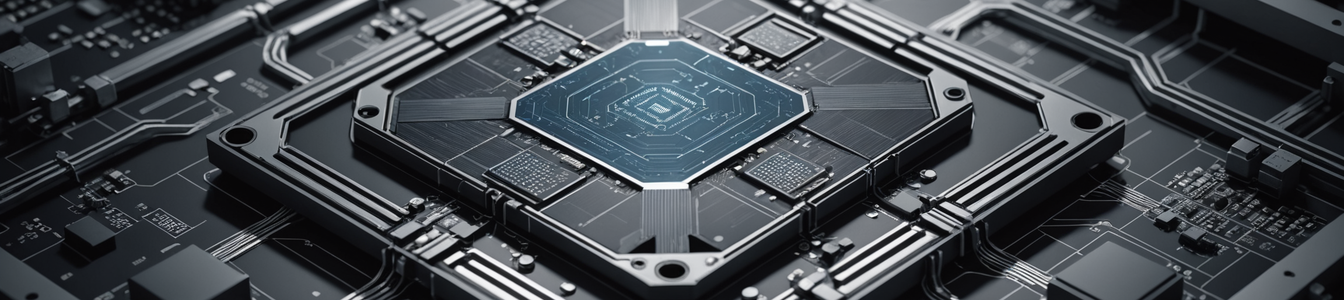
The global race to deploy artificial intelligence is creating an unexpected and dangerous side effect: a critical shortage of memory and storage components that's leaving essential infrastructure systems dangerously exposed. As semiconductor manufacturers scramble to meet the unprecedented demand for high-bandwidth memory (HBM) chips needed for AI training and inference, traditional sectors including industrial control systems, medical devices, telecommunications equipment, and transportation systems are being pushed to the back of the supply queue. This market reallocation isn't just an economic concern—it's creating systemic cybersecurity vulnerabilities that could compromise everything from power grids to healthcare networks.
The AI Memory Gold Rush
AI systems, particularly large language models and generative AI platforms, consume memory at a scale previously unseen in computing history. Where traditional servers might utilize standard DDR memory modules, AI accelerators require specialized HBM stacks that offer significantly higher bandwidth. According to industry analysts, AI server memory requirements are 6-8 times greater than those of conventional servers, with some high-end training systems consuming terabytes of HBM. This has triggered what Bloomberg describes as a "fundamental redefinition" of the memory market, with manufacturers like SK Hynix, Samsung, and Micron shifting production capacity away from consumer-grade components toward these premium, high-margin AI products.
The consequences are already visible in the broader technology ecosystem. Consumer electronics manufacturers report memory chip price increases of 40-60% over the past year, with lead times extending from weeks to months. But the impact extends far beyond smartphones and laptops. The Irish Times notes that "affordable computing" across all sectors is becoming increasingly difficult as component costs soar and availability plummets.
Critical Infrastructure Left Vulnerable
For cybersecurity professionals, the implications are particularly alarming. Critical infrastructure systems—from supervisory control and data acquisition (SCADA) systems in utilities to medical imaging devices and network backbone equipment—often rely on specialized, long-lifecycle components that are now being deprioritized by semiconductor fabs. These systems cannot simply upgrade to the latest AI-optimized memory; they require specific, often legacy-compatible components that manufacturers are increasingly unwilling to produce in smaller quantities.
This creates three primary security risks:
- Extended Lifecycle Vulnerability: Organizations are forced to maintain aging hardware beyond its intended security support window. Industrial control systems that might normally be refreshed on a 5-7 year cycle are now being kept operational for 10+ years, running outdated firmware with known vulnerabilities that cannot be patched due to hardware limitations.
- Unvetted Supply Chain Risks: Desperate organizations are turning to gray market suppliers and component brokers who may provide counterfeit, remarked, or tampered memory chips. These components can introduce backdoors, fail unexpectedly, or contain malicious firmware that compromises entire systems. The Economic Times reports that secondary market activity for memory chips has increased by approximately 300% in sectors facing allocation shortages.
- Security Update Paralysis: Even when security patches are available for critical vulnerabilities, organizations may delay or avoid applying them because the updates require hardware capabilities that their aging components cannot support, or because they fear instability in systems that cannot be replaced if damaged.
The Industrial Control System Crisis
Nowhere is this more concerning than in operational technology (OT) environments. Industrial control systems managing water treatment plants, electrical substations, and manufacturing facilities often utilize specialized computing platforms with exacting component requirements. These systems were designed with decades-long operational lifespans but assumed continued availability of replacement parts.
"We're seeing utilities that can't obtain replacement boards for critical monitoring systems," explains a cybersecurity consultant specializing in industrial systems who requested anonymity. "They're forced to cannibalize parts from decommissioned systems or purchase from brokers with questionable provenance. Every one of these components represents a potential attack vector."
The problem is compounded by the convergence of IT and OT networks. As industrial systems become more connected to enterprise networks for remote monitoring and efficiency gains, vulnerabilities in aging OT components create entry points that can be exploited to move laterally into corporate IT environments.
Healthcare and Telecommunications Impacts
The healthcare sector faces similar challenges. Medical imaging devices, patient monitoring systems, and laboratory equipment often contain specialized computing components with long certification cycles. When these components reach end-of-life but cannot be replaced due to supply constraints, hospitals face impossible choices: operate potentially vulnerable equipment or suspend critical services.
Telecommunications providers, particularly those building out 5G infrastructure, report delays in network expansion and upgrades due to memory and storage shortages. This not only affects service quality but also security, as older network equipment may lack the processing power to implement advanced security protocols and threat detection capabilities.
Mitigation Strategies for Security Teams
Cybersecurity leaders must adapt their strategies to address this new reality:
- Enhanced Supply Chain Due Diligence: Implement rigorous vetting processes for all hardware suppliers, including secondary market sources. Require component authentication and verification protocols.
- Extended Security Support Negotiations: Proactively negotiate extended security support contracts with vendors for critical systems, including firmware updates and vulnerability management beyond standard support windows.
- Hardware Inventory and Lifecycle Management: Develop comprehensive inventories of critical hardware components with detailed lifecycle information. Identify systems most at risk from component shortages and develop contingency plans.
- Segmentation and Isolation Strategies: Strengthen network segmentation between systems running on potentially vulnerable legacy hardware and critical network segments. Implement additional monitoring and controls at segmentation boundaries.
- Alternative Architecture Evaluation: Explore software-defined and virtualized alternatives that may reduce dependency on specific hardware components. While not always feasible for specialized systems, this approach can provide flexibility for certain applications.
The Path Forward
The current situation represents more than a temporary market imbalance. AI's memory requirements are fundamentally reshaping semiconductor manufacturing priorities, and the security implications will persist for years. Addressing this challenge requires coordinated action across multiple fronts:
Industry consortia must develop standards for secure component authentication and provenance tracking. Governments should consider strategic stockpiling of critical components for essential services, similar to petroleum reserves. Semiconductor manufacturers need to balance their pursuit of AI profits with responsibility to maintain supply for critical infrastructure sectors.
For cybersecurity professionals, the message is clear: hardware supply chain security is no longer just about preventing tampering during manufacturing—it's about ensuring components are available at all. The integrity of our critical infrastructure increasingly depends on memory chips that are being diverted to train the next generation of AI models. Without strategic intervention, we risk creating security vulnerabilities at a scale we've never seen before.
Comentarios 0
Comentando como:
¡Únete a la conversación!
Sé el primero en compartir tu opinión sobre este artículo.
¡Inicia la conversación!
Sé el primero en comentar este artículo.