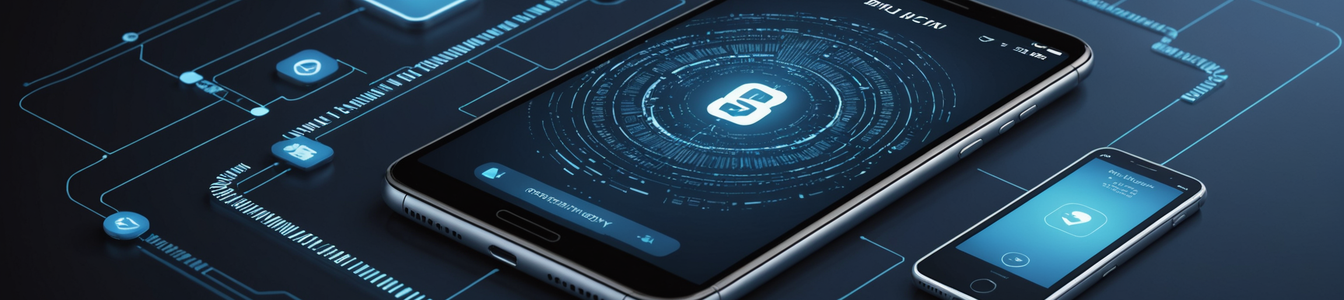
The cybersecurity industry is currently engaged in a high-stakes technological arms race where artificial intelligence serves as both weapon and shield in the evolving phishing landscape. As machine learning algorithms become more sophisticated, they're fundamentally transforming how phishing attacks are conducted and detected, creating a dynamic battlefield where offensive and defensive capabilities advance in lockstep.
Attackers have rapidly adopted AI technologies to create phishing campaigns with unprecedented levels of personalization and psychological manipulation. Modern AI-powered phishing lures demonstrate sophisticated understanding of human behavior, generating contextually relevant content that resonates with specific targets. These AI-generated attacks often bypass traditional detection methods by mimicking legitimate communication patterns and adapting in real-time to victim responses. The result is a significant increase in engagement rates, with some studies showing AI-crafted phishing emails achieving click-through rates up to three times higher than traditional templates.
On the defensive front, cybersecurity teams are leveraging deep learning systems that analyze thousands of features in real-time to identify malicious intent. These advanced detection platforms employ neural networks trained on massive datasets of both legitimate and malicious communications, enabling them to recognize subtle patterns indicative of AI-generated content. The transition from traditional machine learning to deep learning represents a quantum leap in phishing defense, allowing security systems to detect attacks that would have previously evaded detection.
A critical development in this ongoing battle is the emergence of collaborative defense initiatives. The proposed 'scam signal' technology, currently being advocated to global telecommunications providers, represents a paradigm shift in how we approach social engineering fraud prevention. This system would enable real-time verification of communication authenticity across multiple channels, creating a unified defense network that shares threat intelligence across organizational boundaries.
The technical architecture behind modern AI phishing defense involves multi-layered analysis systems that examine content at semantic, structural, and behavioral levels. These systems don't just look for known malicious indicators but instead analyze the fundamental characteristics of communication to determine authenticity. By examining writing patterns, response timing, and contextual coherence, AI defense systems can identify anomalies that human analysts might miss.
For cybersecurity professionals, this evolving landscape demands new skill sets and strategic approaches. The traditional focus on signature-based detection and static rule sets is becoming increasingly inadequate against adaptive AI threats. Instead, security teams must develop expertise in machine learning operations, data science, and behavioral analysis to effectively counter next-generation phishing campaigns.
The economic implications are substantial, with organizations facing potentially catastrophic financial losses from successful AI-powered phishing attacks. The sophistication of these attacks means that traditional employee training programs require significant enhancement, focusing on critical thinking and verification processes rather than simple pattern recognition.
Looking forward, the AI phishing arms race shows no signs of slowing. As generative AI models become more accessible and powerful, the barrier to entry for sophisticated phishing operations continues to decrease. Simultaneously, defensive AI systems are becoming more integrated into organizational security postures, creating a dynamic equilibrium where neither side maintains a permanent advantage.
The key to successful defense in this environment lies in continuous adaptation and collaboration. Security teams must embrace AI not just as a defensive tool but as an integral component of their overall strategy. This includes participating in information sharing initiatives, investing in ongoing training, and developing incident response plans that account for the unique characteristics of AI-powered attacks.
As the technology continues to evolve, the cybersecurity community must remain vigilant in developing new countermeasures while advocating for regulatory frameworks that balance innovation with protection. The future of digital security depends on our ability to stay ahead in this technological arms race, ensuring that defensive capabilities evolve at least as rapidly as the threats they're designed to counter.
Comentarios 0
Comentando como:
¡Únete a la conversación!
Sé el primero en compartir tu opinión sobre este artículo.
¡Inicia la conversación!
Sé el primero en comentar este artículo.