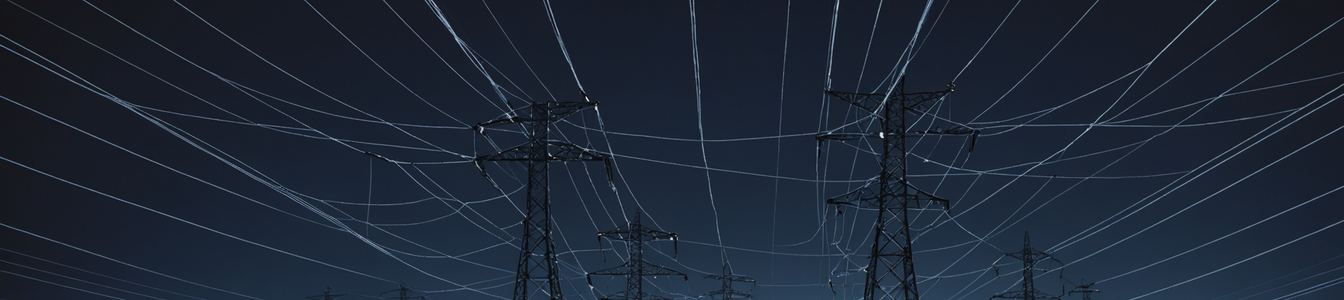
The global artificial intelligence revolution is facing an inconvenient truth: AI's voracious appetite for electricity is testing the limits of power grids worldwide, creating complex new security challenges for critical infrastructure. As data centers expand to support AI workloads, cybersecurity professionals must now contend with energy constraints becoming a primary vulnerability vector.
Insurance Industry Responds to AI Infrastructure Risks
The financial sector is recognizing the systemic risks posed by AI's energy demands. Aon, the global professional services firm, has significantly expanded its Data Center Lifecycle Insurance Program to $2.5 billion in capacity. This specialized insurance product addresses the unique risks throughout data center construction and operation phases, particularly those driven by AI infrastructure requirements. The expansion signals growing concern about potential business interruption, equipment failure, and resilience challenges in facilities that consume megawatts of power for AI training and inference.
For cybersecurity teams, this insurance development highlights the financial industry's assessment of AI infrastructure as high-risk. The coverage expansion acknowledges that traditional data center risk models don't adequately address the scale and complexity of AI-driven facilities, which have different power density, cooling requirements, and operational profiles that create novel attack surfaces.
The "Net Positive" Framework and Grid Vulnerabilities
The World Economic Forum has proposed a "Net Positive" framework designed to prevent AI development from overwhelming global power grids. This approach emphasizes that AI infrastructure should contribute more to grid stability and sustainability than it consumes. The framework includes guidelines for energy-efficient AI model development, strategic data center siting near renewable energy sources, and demand-response integration with grid operators.
From a security perspective, this framework introduces new compliance requirements and technical standards that cybersecurity professionals must integrate into infrastructure protection strategies. The interconnection between AI data centers and grid management systems creates additional points of potential compromise, requiring enhanced security for energy management interfaces and grid communication protocols.
Utilities Face Unprecedented Demand Pressure
Global utilities are experiencing significant demand optimism as AI development drives electricity consumption to record levels. This surge creates both opportunities and vulnerabilities. While utility companies benefit from increased revenue, their infrastructure faces unprecedented strain, potentially leading to reliability issues that could cascade to AI operations.
Cybersecurity implications are substantial. Strained grid infrastructure becomes more vulnerable to disruption, whether from technical failures or malicious attacks. The interdependence between AI infrastructure and power grids means that compromising utility systems could indirectly cripple AI operations, creating a new category of supply chain attacks. Security teams must now consider energy reliability as a core component of their AI system resilience plans.
The Space-Based Power Solution
Perhaps the most visionary response to AI's energy challenge comes from space-based solar power initiatives. Several projects are exploring the collection of solar energy in space and its wireless transmission to Earth, potentially providing continuous, high-density power for AI data centers. While technically challenging, this approach could bypass terrestrial grid limitations and provide energy security for critical AI infrastructure.
However, space-based power introduces its own security concerns. The ground-based receiving stations (rectennas) become critical infrastructure requiring physical and cyber protection. The wireless power transmission systems could potentially be disrupted or weaponized. Cybersecurity professionals will need to develop entirely new protection paradigms for these space-terrestrial energy systems.
Security Implications and Strategic Recommendations
The convergence of AI development and energy constraints creates several critical security implications:
- Expanded Attack Surface: The integration of AI infrastructure with energy management systems, smart grids, and potentially space-based power creates new vectors for cyber-physical attacks.
- Resilience Requirements: Cybersecurity strategies must now include energy resilience as a core component, with redundant power sources, microgrid capabilities, and rapid failover mechanisms.
- Supply Chain Security: The complex supply chain connecting AI hardware manufacturers, data center operators, utility providers, and insurance companies requires enhanced security oversight.
- Regulatory Compliance: Emerging frameworks like the WEF's "Net Positive" guidelines will likely evolve into regulatory requirements with security components.
- Incident Response Planning: Security teams must develop incident response plans that account for energy disruptions affecting AI operations, including coordination with utility providers and grid operators.
As Masdar Chairman Dr. Sultan Al Jaber succinctly noted, "Artificial intelligence craves actual energy." This fundamental reality is reshaping not only how we power our digital future but how we secure it. Cybersecurity professionals must expand their expertise beyond traditional IT security to encompass energy infrastructure protection, grid cybersecurity, and the unique vulnerabilities of power-intensive computing environments.
The insurance industry's response, through products like Aon's expanded coverage, represents one approach to financial risk mitigation. However, technical and operational security measures must evolve in parallel. The coming years will likely see increased convergence between energy security and cybersecurity teams, new standards for energy-resilient AI infrastructure, and potentially novel threats targeting the AI-energy nexus.
For organizations deploying AI at scale, the message is clear: energy security is now cybersecurity. Protecting AI infrastructure requires understanding and securing its entire power supply chain, from generation to consumption. Those who fail to address this convergence risk not just technical failure but strategic vulnerability in an increasingly AI-driven world.
Comentarios 0
Comentando como:
¡Únete a la conversación!
Sé el primero en compartir tu opinión sobre este artículo.
¡Inicia la conversación!
Sé el primero en comentar este artículo.