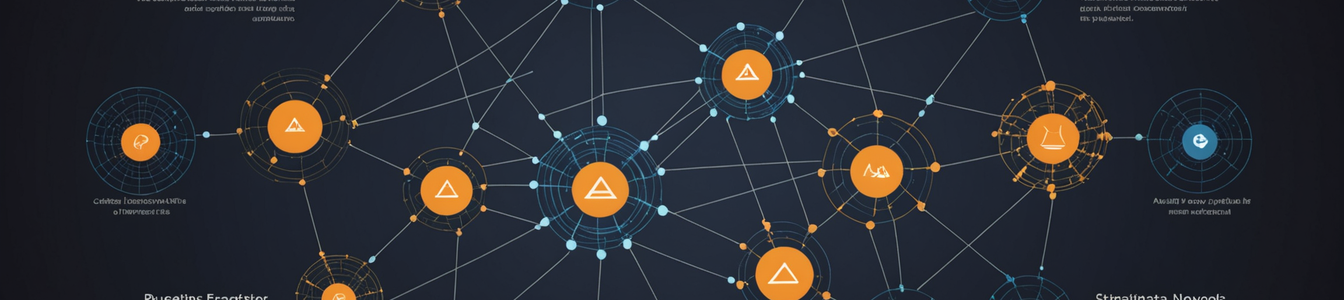
The cybersecurity landscape is undergoing a fundamental transformation as artificial intelligence evolves from an assistive technology to an autonomous force in Security Operations Centers. Atos, a global leader in digital transformation, has taken a significant leap forward by launching its Virtual SOC Analyst powered by Qevlar AI, marking a pivotal moment in the industry's journey toward fully automated security operations.
This next-generation AI agent represents more than just another tool in the SOC arsenal—it embodies the future of threat investigation and response. The Virtual SOC Analyst operates as an autonomous team member capable of conducting comprehensive threat investigations, analyzing complex attack patterns, and providing human-readable recommendations to security teams. This development addresses one of the most pressing challenges in modern cybersecurity: the overwhelming volume of alerts that often leads to critical threats being overlooked.
The technology leverages advanced machine learning algorithms and natural language processing to understand security incidents in context. Unlike traditional security tools that simply generate alerts, the Virtual SOC Analyst can correlate events across multiple data sources, identify patterns that might escape human analysts, and prioritize threats based on potential impact. This capability is particularly valuable given the current cybersecurity skills gap, where organizations struggle to find and retain qualified security professionals.
Market indicators strongly support this technological shift. BigBear.ai Holdings, a prominent player in the AI cybersecurity space, has seen its stock performance soar, reflecting investor confidence in AI-driven security solutions. This market momentum underscores the growing recognition that AI technologies are becoming essential rather than optional in the fight against increasingly sophisticated cyber threats.
The implementation of Virtual SOC Analysts promises to revolutionize several aspects of security operations. First, it dramatically reduces mean time to detection (MTTD) and mean time to response (MTTR), two critical metrics in cybersecurity effectiveness. Second, it enables human analysts to focus on higher-value tasks such as threat hunting and strategy development, rather than being bogged down by routine alert triage.
However, the transition to AI-driven SOC operations also presents challenges. Organizations must ensure proper governance frameworks are in place to monitor AI decision-making and maintain human oversight for critical security decisions. There are also considerations around training existing staff to work effectively alongside AI agents and integrating these new capabilities with existing security infrastructure.
Looking ahead, the success of Virtual SOC Analysts will depend on their ability to adapt to evolving threats and integrate seamlessly with human teams. The technology must demonstrate not only technical proficiency but also the capacity to learn from human experts and incorporate organizational-specific knowledge into its decision-making processes.
As more organizations adopt these AI-driven solutions, we can expect to see further innovations in autonomous threat response, predictive analytics, and cross-platform security coordination. The Virtual SOC Analyst represents just the beginning of a broader transformation that will redefine how organizations protect their digital assets in an increasingly complex threat landscape.
The cybersecurity industry stands at a crossroads, where AI technologies are no longer just supporting players but are becoming central to security operations. The successful implementation of solutions like Atos's Virtual SOC Analyst will likely determine which organizations can effectively defend against tomorrow's cyber threats while optimizing their security investments and addressing the persistent shortage of skilled security professionals.
Comentarios 0
Comentando como:
¡Únete a la conversación!
Sé el primero en compartir tu opinión sobre este artículo.
¡Inicia la conversación!
Sé el primero en comentar este artículo.