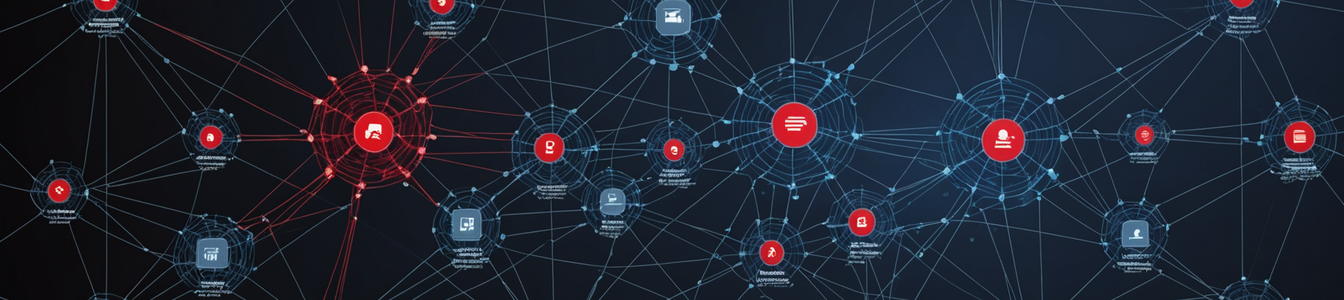
The technology industry's massive pivot toward artificial intelligence is creating unprecedented cybersecurity challenges as companies redirect security budgets and personnel to support AI infrastructure development. Meta's recent $30 billion bond sale—the largest in its history—exemplifies the scale of investment required to compete in the AI arms race, but security experts warn this spending spree comes with hidden costs.
As tech giants pour billions into AI compute resources, data centers, and specialized hardware, traditional cybersecurity programs are being starved of funding. Security teams report increasing pressure to support AI initiatives while maintaining existing security postures, creating what many describe as an unsustainable situation.
The AI infrastructure boom introduces multiple new attack vectors that most organizations are unprepared to defend. Large language models and their training pipelines present unique security challenges, including data poisoning attacks, model extraction threats, and adversarial machine learning exploits. These vulnerabilities exist alongside traditional infrastructure security concerns that are becoming more complex with AI integration.
Industry analysts note that the concentration of AI resources among a few major players creates systemic risk. When companies like Meta, Microsoft, and Google dominate AI infrastructure, successful attacks against their systems could have cascading effects across the entire digital ecosystem. The interconnected nature of modern AI services means vulnerabilities in one platform can quickly propagate to others.
Security professionals face additional challenges from the rapid deployment pace demanded by AI competition. Development teams are pushing updates and new models at unprecedented speeds, often bypassing traditional security review processes. This "move fast and break things" mentality, while potentially beneficial for innovation, creates significant security debt that organizations will eventually need to address.
The financial markets have begun reflecting these concerns, with recent volatility in tech stocks partly attributed to worries about unsustainable AI spending levels. As companies like Meta take on substantial debt to fund AI ambitions, questions arise about whether security investments will keep pace with infrastructure expansion.
Cybersecurity leaders report struggling to hire and retain specialized talent capable of securing AI systems. The competition for professionals with both security and machine learning expertise has become fierce, driving up costs and creating talent shortages that further exacerbate security risks.
Regulatory bodies are beginning to take notice of the emerging threats. New frameworks and guidelines for AI security are in development, but most remain in early stages and lack the specificity needed to address the unique challenges of AI infrastructure protection.
Organizations must adopt a balanced approach that recognizes both the opportunities and risks of AI investment. Security cannot be an afterthought in the AI gold rush—it must be integrated into infrastructure planning from the beginning. This requires cross-functional collaboration between AI development teams, infrastructure engineers, and cybersecurity professionals.
The path forward involves developing new security paradigms specifically designed for AI systems, increasing investment in AI security research, and creating standardized frameworks for evaluating and mitigating AI-specific risks. Companies that fail to address these challenges may find their massive AI investments compromised by preventable security failures.
As the AI infrastructure race accelerates, the cybersecurity community must advocate for proportional security investment and develop the specialized expertise needed to protect these critical new systems. The future of AI innovation depends not just on computational power and data, but on the security foundations that enable safe and trustworthy deployment.
Comentarios 0
Comentando como:
¡Únete a la conversación!
Sé el primero en compartir tu opinión sobre este artículo.
¡Inicia la conversación!
Sé el primero en comentar este artículo.