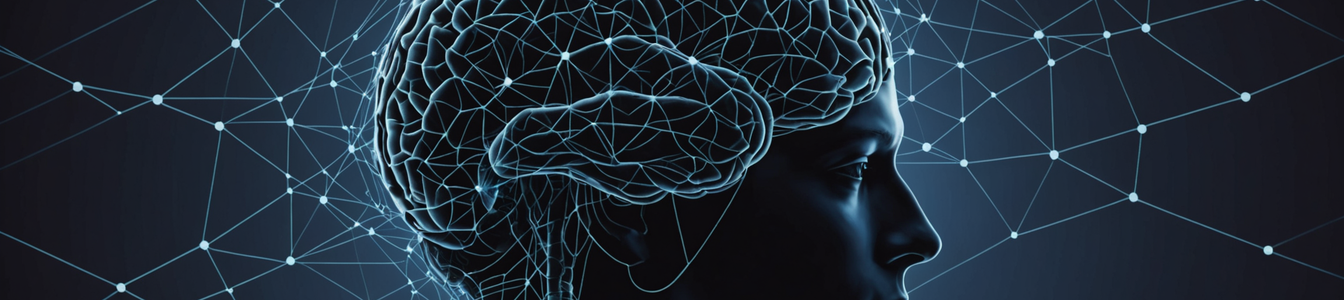
The Silent Erosion of Human Expertise
In the relentless pursuit of efficiency and augmentation, a subtle yet profound threat is materializing within organizations worldwide: cognitive debt. This concept, rapidly gaining traction among human factors and security experts, refers to the cumulative degradation of human skills, judgment, and oversight capabilities that occurs when individuals and teams over-delegate cognitive tasks to artificial intelligence systems. Unlike technical debt, which lurks in code repositories, cognitive debt accumulates in the human mind, creating a new frontier of operational and security risk that is only now coming into focus.
The evidence of this shift is pervasive. In high-stakes financial environments, AI has become the 'new brain behind the trades,' as highlighted in forex automation. Algorithms now perform real-time data interpretation and execute trades at speeds and volumes impossible for humans. While this boosts efficiency, it also means that human traders' ability to intuitively sense market anomalies or understand the underlying mechanics at a deep level is atrophying. When the AI encounters a novel, adversarial condition—a 'black swan' event or a manipulated data feed—the human in the loop may lack the foundational knowledge to intervene effectively, leading to catastrophic financial and security failures.
This phenomenon is not confined to finance. Academia, a traditional bastion of deep critical thought, is undergoing a similar transformation. AI tools are not just assisting PhD scholars; in many cases, they are surpassing them in the speed of literature review, data pattern recognition, and even hypothesis generation. The danger lies not in the use of the tool, but in the gradual outsourcing of the core cognitive processes of research—skepticism, logical deduction, and contextual reasoning. A researcher who no longer engages deeply with primary sources or painstakingly analyzes data may fail to spot flawed assumptions or biases embedded within the AI's output, compromising the integrity of scientific inquiry and opening doors to the propagation of misinformation.
Perhaps the most concerning vector for long-term cognitive debt is its infiltration into foundational education. Reports indicate that most US teenagers now regularly use AI chatbots to study, search for information, and even shape their future career paths. While a powerful tutoring aid, this risks creating a generation that may prioritize the efficient retrieval of pre-packaged answers over the development of fundamental problem-solving skills, source criticism, and intellectual perseverance. For the future cybersecurity workforce, this could mean a shortage of professionals capable of the deep, analytical thinking required to outsmart adaptive adversaries.
The Cybersecurity Implications: From SOCs to Code Repositories
For cybersecurity professionals, cognitive debt represents a direct threat to organizational resilience. Security Operations Centers (SOCs) are increasingly augmented with AI for alert triage, threat hunting, and log analysis. However, an over-reliance on these tools can dull the analyst's 'spidey-sense'—the intuition gained from years of experience that allows them to spot the subtle, novel attack that doesn't match known patterns. If analysts become mere validators of AI alerts, the organization loses its capacity for creative, adversarial thinking.
In software development, the explosion of AI-powered coding assistants accelerates productivity but can insulate developers from a comprehensive understanding of the codebase and its security implications. When a developer accepts AI-generated code without fully comprehending its logic or security posture, they may inadvertently introduce vulnerabilities or create systems so complex that no human truly understands them—a modern form of 'security through obscurity' that is fundamentally fragile. The SolarWinds-style software supply chain attack of the future may exploit not just a compromised library, but the cognitive gap between the AI that wrote the code and the team tasked with securing it.
Furthermore, as seen in discussions about AI in television journalism, the automation of content creation and fact-checking can lead to a dilution of editorial judgment. In a cybersecurity context, this translates to automated threat intelligence reports and compliance documentation that may lack the nuanced, contextual understanding a seasoned professional provides, potentially leading to misprioritized risks or missed regulatory subtleties.
Building Cognitive Resilience: A Strategic Imperative
Addressing cognitive debt requires a deliberate strategy focused on 'cognitive resilience.' This involves designing human-AI collaboration where the human remains the strategic lead, not a passive overseer. Key steps include:
- Mandatory 'Deep Dive' Periods: Implement policies that require professionals to periodically perform critical tasks without AI assistance. For SOC analysts, this could mean manual log review days. For developers, it could involve writing key security-sensitive modules from scratch.
- AI Transparency & Literacy Training: Move beyond tool training to educate teams on the limitations, potential biases, and failure modes of the specific AI systems they use. Security teams should conduct 'red team' exercises against their own AI tools to understand how they can be fooled.
- Skill Preservation Metrics: Integrate metrics for human skill retention into performance and risk management frameworks. Track the ability of teams to function effectively during AI system outages or under conditions of AI deception.
- Human-Centric Process Design: Design workflows that force human engagement at critical decision junctions. AI should provide options and analysis, not single, opaque recommendations.
Conclusion: Rebalancing the Human-Machine Equation
The goal is not to reject AI, but to forge a more sustainable partnership. The most secure organizations of the future will be those that recognize AI as a powerful, yet fallible, cognitive prosthesis. They will invest not only in the technology itself but in the continuous cultivation of the human expertise needed to guide, challenge, and ultimately control it. Mitigating cognitive debt is no longer a soft skills concern; it is a hard requirement for maintaining a robust security posture in an age of intelligent automation. The integrity of our financial systems, the validity of our research, the security of our code, and the critical thinking of the next generation depend on our ability to master this balance.
Comentarios 0
Comentando como:
¡Únete a la conversación!
Sé el primero en compartir tu opinión sobre este artículo.
¡Inicia la conversación!
Sé el primero en comentar este artículo.