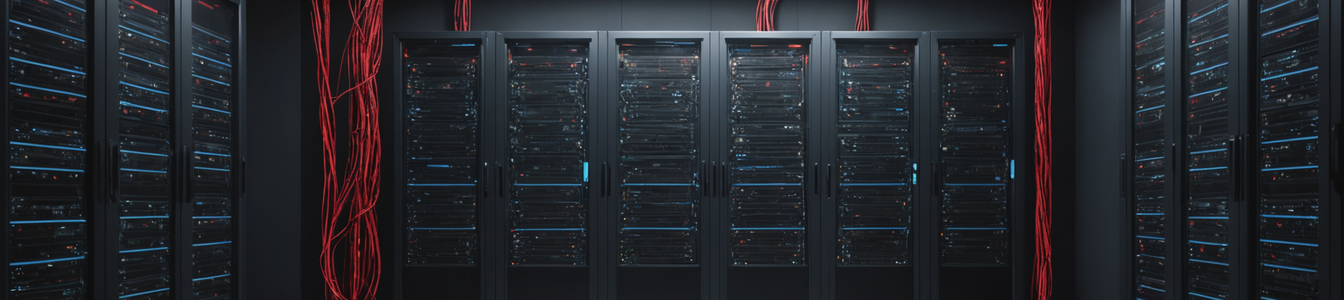
The artificial intelligence infrastructure race is accelerating at an unprecedented pace, with technology giants like Meta leading the charge through massive data center investments. However, cybersecurity experts are sounding alarms about the systemic vulnerabilities being created as security considerations take a backseat to rapid deployment and market capture.
Meta's recent $1 billion commitment to build an AI data center in Wisconsin represents just one piece of a global $50 billion data center expansion aimed at supporting next-generation AI workloads. This infrastructure gold rush spans multiple sectors, from agriculture to tourism, as organizations scramble to integrate AI capabilities into their operations.
The Scale of the Challenge
Security teams face monumental challenges in securing distributed AI infrastructure that must process massive datasets while maintaining low-latency performance. The very nature of AI workloads—requiring extensive computational resources and data access—creates inherent security risks that many organizations are ill-prepared to address.
Critical security blind spots are emerging across the AI infrastructure landscape. Supply chain vulnerabilities represent one of the most significant concerns, as the rush to build data centers leads to compromised vetting processes for hardware and software components. The complex interdependencies between AI systems create cascading failure risks where a breach in one component could compromise entire ecosystems.
Infrastructure Security Gaps
Traditional data center security models are proving inadequate for AI workloads. The massive parallel processing requirements of AI systems demand new security architectures that can protect data in motion across distributed computing environments. Many organizations are deploying AI infrastructure without adequate security controls, assuming that existing protocols will suffice.
This assumption is dangerously flawed. AI systems introduce unique attack surfaces, including model poisoning, data leakage through inference attacks, and adversarial manipulation of training data. The concentration of valuable AI models and datasets in these new facilities makes them prime targets for nation-state actors and cybercriminals alike.
Supply Chain Vulnerabilities
The global nature of AI infrastructure development creates additional security complications. Hardware components sourced from multiple countries introduce potential backdoors and compromised elements that could undermine entire systems. The pressure to accelerate deployment timelines means security validation processes are often shortened or bypassed entirely.
Cryptocurrency projects like Blazpay's AI crypto coins highlight the convergence of AI and financial technologies, creating new vectors for economic attacks. The integration of AI with blockchain technologies, while promising for certain applications, introduces complex security considerations that many organizations are unprepared to address.
Cross-Industry Implications
The security implications extend beyond traditional technology sectors. Agriculture's adoption of AI for precision farming creates critical infrastructure dependencies that could impact food security. Tourism industry AI implementations, as discussed in Greece's conference on AI in tourism, handle sensitive customer data and operational systems that require robust protection.
Each sector brings its own regulatory requirements and security challenges, yet many are applying generic security frameworks that fail to address AI-specific risks. The lack of standardized security protocols for AI infrastructure creates inconsistent protection levels and increases overall systemic risk.
Recommendations for Security Professionals
Security teams must adopt a proactive approach to AI infrastructure protection. This includes implementing zero-trust architectures specifically designed for distributed AI workloads, conducting thorough supply chain security assessments, and developing incident response plans that account for AI-specific attack vectors.
Organizations should prioritize security-by-design in AI infrastructure projects, ensuring that protection measures are integrated from the initial planning stages rather than bolted on as afterthoughts. Regular security audits and penetration testing focused on AI systems are essential for identifying vulnerabilities before they can be exploited.
Collaboration across industries and with regulatory bodies will be crucial for developing comprehensive security standards for AI infrastructure. As the $50 billion expansion continues, the cybersecurity community must work together to ensure that security keeps pace with innovation, preventing the AI gold rush from becoming a security catastrophe.
The window for addressing these challenges is closing rapidly. With AI infrastructure deployments accelerating globally, security professionals have an urgent responsibility to implement robust protection measures that can safeguard these critical systems against evolving threats.
Comentarios 0
Comentando como:
¡Únete a la conversación!
Sé el primero en compartir tu opinión sobre este artículo.
¡Inicia la conversación!
Sé el primero en comentar este artículo.