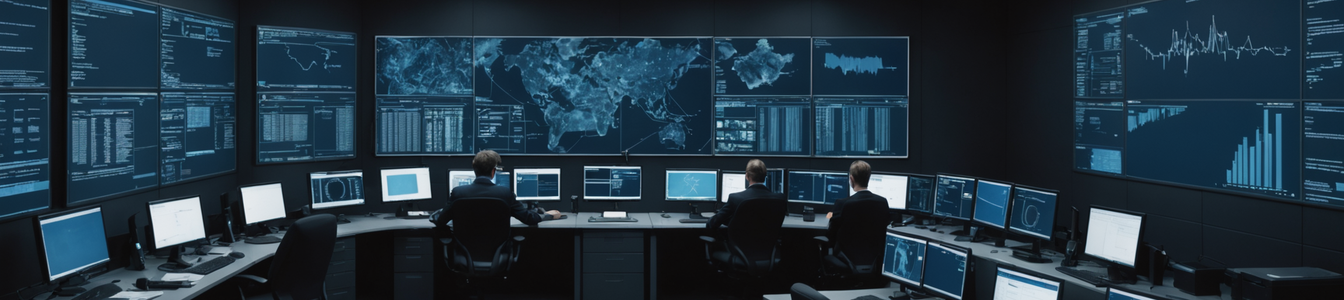
The professional landscape is undergoing its most significant transformation since the industrial revolution, as artificial intelligence systems increasingly perform tasks that required years of specialized human training. From medical diagnosis to legal analysis and software development, AI's capabilities are expanding into domains once considered exclusively human territory.
Recent developments highlight this accelerating trend. Salesforce's launch of Agentforce Vibes represents a paradigm shift in enterprise software development, enabling what industry insiders call 'vibe-coding'—a method where developers describe desired outcomes in natural language while AI handles the actual code generation. This approach is rapidly gaining traction across major tech companies, fundamentally changing how software is created and maintained.
In healthcare, AI systems are demonstrating diagnostic accuracy that rivals experienced physicians. These systems analyze medical images, patient histories, and clinical data to identify patterns invisible to human practitioners. The implications for healthcare cybersecurity are profound, as these AI systems require access to sensitive patient data while maintaining strict privacy and compliance standards.
The legal profession is experiencing similar disruption. AI-powered analysis tools can review thousands of legal documents in minutes, identifying relevant precedents and potential risks with efficiency unmatched by human teams. However, this capability introduces new cybersecurity concerns around data confidentiality and the integrity of legal analysis.
Cybersecurity professionals face dual challenges in this new landscape. First, they must secure the AI systems themselves against manipulation, data poisoning, and model theft. Second, they need to develop new security frameworks for AI-generated outputs across professional domains. A single compromised AI system could affect thousands of professional decisions simultaneously.
The rise of professional AI agents brings particular security considerations. These systems often operate with significant autonomy, making decisions that previously required human judgment. Ensuring their actions remain within intended parameters and detecting potential manipulation requires sophisticated monitoring and validation systems.
Organizational culture plays a crucial role in successful AI integration. Companies that maintain strong security cultures while adopting AI technologies show better resilience against emerging threats. The transition requires careful change management and continuous security training for professionals working alongside AI systems.
Looking forward, the cybersecurity community must develop new standards and best practices for AI in professional contexts. This includes secure implementation guidelines, robust testing methodologies, and incident response plans specifically designed for AI system failures or compromises. The stakes are particularly high in fields like medicine and law, where AI decisions directly impact human lives and rights.
As AI continues its professional takeover, the cybersecurity industry must evolve equally rapidly. Protecting these advanced systems requires understanding both traditional security principles and the unique vulnerabilities of AI technologies. The professionals securing tomorrow's AI-powered workplaces will need interdisciplinary knowledge spanning cybersecurity, AI ethics, and domain-specific expertise.
Comentarios 0
Comentando como:
¡Únete a la conversación!
Sé el primero en compartir tu opinión sobre este artículo.
¡Inicia la conversación!
Sé el primero en comentar este artículo.