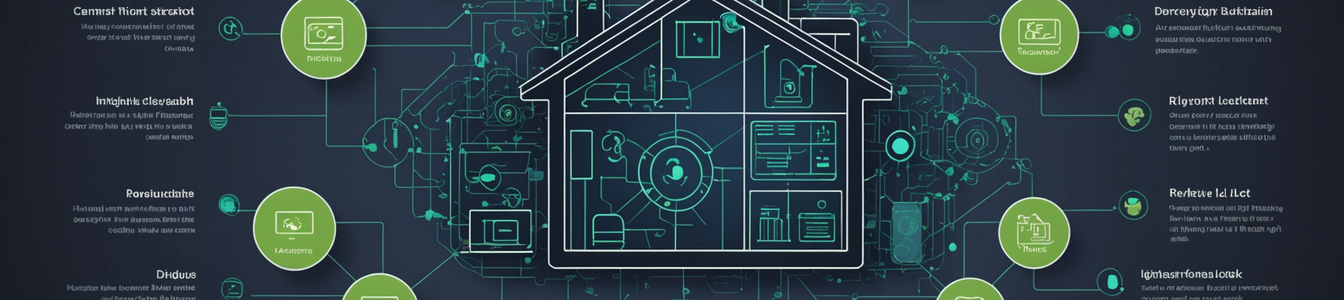
The democratization of smart home automation through generative AI is creating a parallel, unregulated ecosystem of potentially vulnerable IoT devices and systems. A growing community of non-coders is using AI assistants like Anthropic's Claude and Google's Gemini to 'vibe-code' complex home automation setups, bypassing traditional software development lifecycles and security reviews entirely. This trend represents one of the most significant emerging threats to consumer IoT security, as it creates attack surfaces that security professionals cannot anticipate or properly assess.
The Rise of AI-Assisted 'Vibe Coding'
Home automation enthusiasts without formal programming training are increasingly turning to conversational AI interfaces to generate scripts, configure device integrations, and create complex automation routines. Users describe their desired functionality in natural language, and AI assistants produce working code for platforms like Home Assistant, Node-RED, and various IoT device APIs. While this lowers the barrier to entry for sophisticated home automation, it completely bypasses security considerations that would be standard in professional development environments.
These AI-generated systems often lack fundamental security features: proper authentication mechanisms between devices, input validation for user commands, secure credential storage, encrypted communications, and regular security updates. The code may function perfectly for the intended purpose while containing critical vulnerabilities that would be caught in even basic security reviews.
Convergence with Major Tech Roadmaps
This trend coincides with significant developments from major technology companies that could accelerate adoption while potentially worsening security outcomes. Apple is reportedly developing a dedicated smart home hub for potential 2026 release, which could create a new platform for these AI-generated automations. Meanwhile, Google is integrating Gemini AI deeply into Chrome through features like 'Auto Browse,' which could make AI-assisted coding even more accessible to non-technical users.
These corporate developments create a perfect storm: easier tools for AI-generated code combined with new platforms that encourage complex automation, all without corresponding security education or safeguards for end-users.
The Cybersecurity Implications
From a security perspective, AI-generated smart home ecosystems present multiple layers of risk:
- Unvetted Code Execution: AI-generated scripts run with the same privileges as manually written code but without security review. Vulnerabilities like command injection, buffer overflows, or authentication bypass could be present in production environments.
- Supply Chain Ambiguity: When systems are built from AI-generated components, there's no clear chain of responsibility for security flaws. The AI provider, platform developer, device manufacturer, and end-user all exist in a responsibility gray area.
- Standardization Deficiency: Professional IoT development follows security standards and frameworks. AI-generated code typically doesn't implement these standards, creating inconsistent security postures across similar implementations.
- Update and Maintenance Challenges: AI-generated systems lack documentation and structured update processes. Security patches must be manually reapplied through the AI interface, creating maintenance gaps.
- Expanded Attack Surface: Complex automations often require opening network ports, creating API endpoints, and integrating multiple devices—each potentially introducing new vulnerabilities.
The Professional Security Response
Cybersecurity teams must adapt to this new reality. Several approaches are emerging:
- AI Code Security Tools: New security tools specifically designed to analyze AI-generated code for common vulnerabilities and misconfigurations.
- Consumer Education Initiatives: Security awareness campaigns focused on the risks of AI-generated automation and basic security hygiene for smart home setups.
- Platform-Level Safeguards: Pressure on smart home platform developers to implement security checks for imported automations and scripts.
- Industry Standards Development: Creating security baselines for consumer-grade automation that address the unique risks of AI-assisted development.
Looking Forward
As generative AI becomes more capable and accessible, the volume of AI-generated smart home code will likely increase exponentially. The cybersecurity community faces a critical window to establish security norms, tools, and education before vulnerable systems become ubiquitous. This requires collaboration between security researchers, platform developers, AI companies, and consumer advocacy groups to create frameworks that enable innovation while maintaining security.
The fundamental challenge is balancing accessibility with safety—creating systems that allow non-technical users to benefit from home automation without exposing them to unacceptable security risks. How the industry addresses this challenge in the coming years will significantly impact the security posture of millions of smart homes worldwide.
Comentarios 0
Comentando como:
¡Únete a la conversación!
Sé el primero en compartir tu opinión sobre este artículo.
¡Inicia la conversación!
Sé el primero en comentar este artículo.