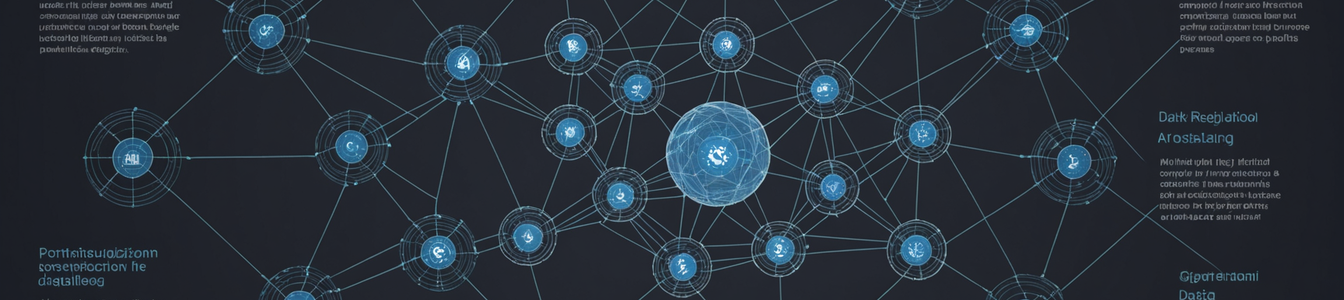
The global push for digital regulation is entering a new, more operational phase. Governments are no longer just drafting laws; they are actively building the technological infrastructure to enforce them. From AI governance and e-sports regulation to tax compliance, this wave of digital bureaucracy is creating a sprawling, interconnected attack surface that cybersecurity teams must urgently understand and defend. The convergence of new laws, promotional campaigns by government officials, and upgraded compliance portals presents a unique set of vulnerabilities at the intersection of policy and technology.
In India, a two-pronged regulatory offensive is underway. The state of Karnataka is developing what is reported to be one of the country's first AI-focused statutes. While details from the draft are limited, the stated intent is to tighten regulation of social media platforms, likely focusing on deepfakes, algorithmic transparency, and content moderation. This move signifies a shift from reactive content takedowns to proactive governance of the underlying AI systems. For cybersecurity professionals, this presents a dual challenge: securing the government's own regulatory AI tools and auditing the compliance of private platforms, which will need to expose more of their algorithmic workings to regulators. This increased data sharing and system interconnection creates new potential entry points for sophisticated threat actors.
Parallelly, the Indian central government has initiated a unique 'soft launch' for its new gaming law. Reports indicate that bureaucrats are being tasked with 'selling' the legislation to promote e-sports growth. This approach of using government officials as policy ambassadors blurs the line between regulation and promotion. From a security standpoint, the concern lies in the implementation. A law promoted for economic growth may prioritize rapid industry adoption over robust security frameworks for player data, in-game transactions, and age verification systems. The gaming industry, already a prime target for credential stuffing, payment fraud, and DDoS attacks, now faces an additional layer of compliance complexity that could be exploited if security is not baked into the regulatory framework from the start.
The most immediate and tangible cybersecurity front, however, is in fiscal compliance. The Indian Income Tax Department has launched 'TRACES 2.0,' a major upgrade to its TDS (Tax Deducted at Source) compliance portal. Designed to simplify processes under a new tax regime, the portal will centralize vast amounts of sensitive financial data for millions of taxpayers and deductors. Any major government portal upgrade is a high-value target. Security teams will be watching for vulnerabilities in authentication mechanisms, API integrations with banks and corporations, and the secure handling of financial documents. A breach here would not just mean leaked data but could facilitate large-scale, sophisticated financial fraud.
This scenario is mirrored in the Philippines, where Senator Sherwin Gatchalian has called for a review of the Bureau of Internal Revenue's (BIR) digital systems. The call coincides with the public reminder of the April 15 income tax return (ITR) filing deadline, a period of peak load and stress for any digital infrastructure. A legislative review of a tax system's digital architecture is unprecedented and highlights growing governmental awareness of tech-centric risks. The convergence of a public filing deadline and a system review creates a precarious moment: systems are under maximum strain, and public scrutiny is high, making any failure or breach instantly catastrophic for citizen trust. It suggests underlying concerns about the system's capacity, integrity, or security that warrant independent audit.
The Cybersecurity Implications of RegTech Expansion
These simultaneous developments reveal a broader trend: the rapid expansion of Regulatory Technology (RegTech) deployed by states themselves. The cybersecurity implications are profound:
- Consolidated Data Lakes: Portals like TRACES 2.0 become 'one-stop-shops' for attackers, aggregating financial, identity, and now potentially social media behavioral data (via AI laws) in a single ecosystem. The payoff for a successful breach multiplies exponentially.
- Supply Chain Vulnerabilities: These systems don't operate in isolation. They integrate with banks, employers, gaming companies, and social media platforms. A vulnerability in a third-party component or a weak API in the regulatory portal can serve as a backdoor into the entire compliance network.
- Rushed Deployment Cycles: Political and fiscal deadlines (like April 15) can drive accelerated development and deployment of critical systems, often at the expense of comprehensive security testing and threat modeling.
- Novel Attack Vectors: AI regulation introduces new attack surfaces. Adversaries could attempt to poison or manipulate the AI models used by regulators for content analysis, or exploit transparency requirements to glean sensitive operational details about platform algorithms.
- Insider Threat Amplification: The involvement of bureaucrats in 'selling' laws and managing portals increases the insider threat surface. Social engineering campaigns targeting these officials could yield access to pre-decisional regulatory data or system credentials.
Recommendations for Security Teams
Organizations, especially those in regulated sectors like finance, gaming, and social media, must adapt their security posture:
- Map Regulatory Dependencies: Identify all new government portals and data submission requirements your organization must interact with. Treat these interfaces as critical external endpoints.
- Audit Third-Party Integrations: Scrutinize the security posture of any RegTech vendor or government API your systems connect to. Assume they are high-risk connections.
- Prepare for Data Sovereignty & Security: New AI and gaming laws will likely mandate new data localization or reporting formats. Ensure secure data pipelines are designed for these transfers.
- Monitor for Fraud Patterns: Be alert for fraud schemes that exploit public confusion during transitions to new systems, like TRACES 2.0, or that use social engineering tied to new regulations.
- Engage in Policy Advocacy: The cybersecurity community must engage with lawmakers during the drafting phase to highlight the technical risks of proposed regulations, advocating for security-by-design principles in RegTech.
The digital compliance frontline is no longer just about legal checkboxes. It is an active battlefield where government technology, corporate data, and citizen information converge. The speed of regulatory rollout is creating a security debt that threat actors are poised to exploit. Proactive defense now requires understanding the architecture of the state's own digital enforcement tools, for they have become integral—and vulnerable—components of the modern cyber ecosystem.
Comentarios 0
Comentando como:
¡Únete a la conversación!
Sé el primero en compartir tu opinión sobre este artículo.
¡Inicia la conversación!
Sé el primero en comentar este artículo.