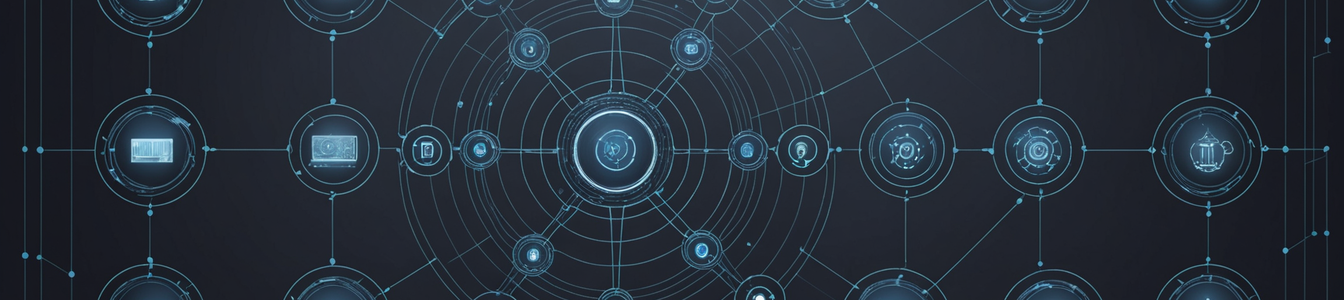
The enterprise technology sector is witnessing a pivotal transition in how connected products are conceived, developed, and secured. What began as a market for standalone smart devices has rapidly evolved into a strategic race to build and control comprehensive AI-powered Internet of Things (AIoT) platforms. This shift from gadgets to integrated product lines represents not just a business model evolution but a complete redefinition of the cybersecurity landscape for manufacturers, service providers, and enterprise customers alike.
Recent industry developments highlight this strategic consolidation. Companies like Lantronix, a pioneer in secure IoT connectivity solutions, are undergoing significant corporate restructuring, with founder Bernhard Bruscha recently transferring substantial company shares to the TL Foundation. While presented as a philanthropic move, such corporate realignments often signal deeper strategic pivots toward platform-centric business models that require different capital structures and long-term investment horizons. Simultaneously, platform-focused companies like Plume Design are strengthening their executive teams, appointing seasoned leaders like Lorie Boyd as Chief People Officer to scale operations—a clear indicator of the human capital investment required to build and maintain complex, secure AIoT ecosystems.
The security implications of this platform power play are profound and multifaceted. When enterprises graduate from managing individual devices to deploying entire AIoT platforms, they centralize both functionality and risk. A single vulnerability in a platform's core architecture—whether in device management protocols, cloud APIs, AI model inference engines, or update mechanisms—can compromise every connected product and service in the ecosystem. This creates an attractive target for sophisticated threat actors who recognize the amplified return on investment from breaching a platform versus a single device.
Supply chain security becomes exponentially more complex in this new paradigm. An AIoT platform integrates components from dozens, sometimes hundreds, of specialized vendors: semiconductor manufacturers for edge AI chips, firmware developers, cloud service providers, AI model trainers, and application developers. Each link in this chain represents a potential attack vector. The 2020 SolarWinds attack demonstrated how a single compromised software update in an IT management platform could cascade through thousands of enterprises. AIoT platforms face similar, if not greater, risks due to their physical-world interfaces and real-time control capabilities.
Manufacturers and operators now shoulder unprecedented security responsibilities that extend far beyond traditional device hardening. They must implement:
- Unified Security Posture Management: Security controls must span edge devices, gateway hardware, communication protocols (like Matter, Thread, or proprietary standards), cloud backends, and mobile applications. Security teams need visibility and control across this entire stack, requiring new tools that can correlate threats across different layers.
- AI-Specific Threat Mitigation: AI components introduce unique vulnerabilities, including model poisoning, adversarial attacks that manipulate sensor input, data privacy concerns from edge inference, and the security of the training pipelines themselves. Protecting AIoT platforms requires expertise in both traditional cybersecurity and emerging AI security disciplines.
- Lifecycle Security at Scale: Platform operators must secure not just the initial deployment but the entire product lifecycle—from development and manufacturing through field operation, updates, and eventual decommissioning. This includes secure boot processes, encrypted over-the-air (OTA) updates with robust rollback capabilities, and secure device retirement protocols that prevent discarded hardware from becoming entry points.
- Regulatory and Compliance Orchestration: As AIoT platforms often serve global markets, they must simultaneously comply with diverse regulations like the EU's Cyber Resilience Act, AI Act, and product safety directives, alongside regional data protection laws like GDPR and CCPA. Platform architects must build compliance into the core architecture rather than treating it as an afterthought.
The financial and reputational stakes have never been higher. A security breach in a consumer IoT device might expose personal data from thousands of users. A breach in an enterprise AIoT platform managing industrial equipment, building automation, or healthcare devices could disrupt critical infrastructure, cause physical damage, or even endanger lives. The liability models are shifting accordingly, with courts and regulators increasingly holding platform providers accountable for security failures across their ecosystems.
Forward-looking organizations are responding by establishing dedicated platform security teams that bridge traditional IT security, product security, and cloud security functions. They're investing in security-by-design principles from the initial architecture phase, implementing zero-trust frameworks that assume no component is inherently trustworthy, and developing comprehensive incident response plans that account for platform-wide compromise scenarios.
As the AIoT platform market matures, security will become the primary differentiator. Enterprises evaluating platform providers should scrutinize their security architectures, transparency practices, patch management SLAs, and third-party audit results. The companies that succeed in this new era won't be those with the most features, but those that demonstrate the most resilient, transparent, and trustworthy security foundations for their AIoT ecosystems.
The transition from gadgets to platforms is irreversible. For cybersecurity professionals, this represents both a formidable challenge and a generational opportunity to shape the security foundations of the intelligent, connected world being built around us. The decisions made today about AIoT platform security will echo through our digital and physical infrastructure for decades to come.
Comentarios 0
Comentando como:
¡Únete a la conversación!
Sé el primero en compartir tu opinión sobre este artículo.
¡Inicia la conversación!
Sé el primero en comentar este artículo.