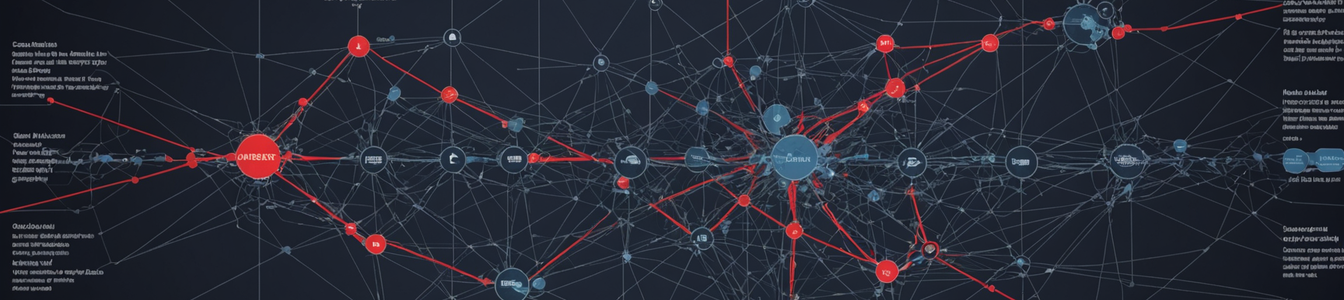
The Converging Storm on Airport Security
Critical infrastructure security teams are facing a multi-front crisis that exposes fundamental weaknesses in how we protect transportation hubs. Recent developments reveal a dangerous intersection of budgetary paralysis, energy insecurity, and operational strain that creates unprecedented vulnerabilities in airport security ecosystems.
In the United States, Transportation Security Administration (TSA) officers are operating under significant duress due to a Congressional funding freeze. This financial stranglehold directly impacts staffing levels, training programs, and equipment maintenance—the foundational elements of physical security at airports. When screeners are overworked, underpaid, and operating with outdated technology, human error increases exponentially. This creates the first chink in the armor: a weakened physical perimeter that sophisticated threat actors can probe for weaknesses.
The Fuel Crisis Multiplier Effect
Simultaneously, a global fuel crisis is adding compounding pressure. In Australia, petrol prices approaching $3 per liter have triggered a surge in fuel theft, with criminals targeting airport refueling stations and ground support vehicles. The Australian government's reluctance to implement emergency fuel powers, despite acknowledging the severity of the situation, reveals a concerning gap between policy and operational reality. 'Don't panic buy' messaging has proven ineffective, as evidenced by continued consumer behavior during shortages.
This fuel insecurity creates a cascading failure scenario for airport security operations. Ground support equipment, emergency response vehicles, and even the generators backing up critical systems all depend on reliable fuel supplies. When these supplies are threatened, airports must implement contingency measures that often involve security trade-offs. Reduced patrols, limited emergency vehicle readiness, and prioritized power allocation all create windows of vulnerability.
The Cybersecurity Implications of Physical Strain
For cybersecurity professionals, these developments should trigger immediate concern. Modern airports operate on converged physical-cyber systems where operational technology (OT) networks control everything from baggage handling and runway lights to access control systems and environmental controls. These OT systems are notoriously fragile and often lack the robust security controls found in traditional IT environments.
When physical security is strained, cyber defenses often follow. Consider these specific risks:
- Distracted Security Personnel: Overworked TSA officers and airport police are less likely to follow proper security protocols, including challenging suspicious individuals near restricted areas or server rooms.
- Maintenance Deferrals: Budget freezes mean delayed patches and updates to critical security systems, including access control software, surveillance networks, and perimeter intrusion detection systems.
- Supply Chain Vulnerabilities: Fuel shortages disrupt the entire airport supply chain, potentially delaying security equipment deliveries and maintenance visits from specialized technicians.
- Increased Insider Threat Risk: Financial pressure on underpaid security staff creates fertile ground for insider threats, where employees might be tempted to bypass security protocols for personal gain or due to burnout.
The Transatlantic Perspective
The crisis isn't confined to specific regions. In Virginia, warnings about gasoline reaching $4 per gallon highlight how fuel price volatility affects operational budgets for security operations. Meanwhile, in the UK and Ireland, financial experts are advising consumers on fuel conservation techniques—advice that airport operations managers are likely implementing for their fleets, potentially reducing security patrol frequency to conserve resources.
This creates a dangerous normalization of reduced security postures. When fuel conservation becomes a higher priority than security patrol frequency, threat actors gain predictable windows of reduced surveillance.
Recommendations for Security Leaders
- Conduct Resilience Audits: Security teams must immediately assess how fuel shortages and budget constraints affect their specific security postures. This includes testing backup power systems and evaluating minimum fuel requirements for maintaining security operations.
- Enhance OT Security Monitoring: With physical security potentially compromised, increased monitoring of OT networks for unusual access patterns or configuration changes becomes critical.
- Implement Compensating Controls: When physical patrols must be reduced, enhance electronic surveillance through additional cameras, motion sensors, and analytics to maintain situational awareness.
- Strengthen Insider Threat Programs: During periods of financial strain, insider threat monitoring should be intensified, with particular attention to personnel with access to both physical and digital assets.
- Advocate for Critical Infrastructure Exemptions: Security leaders must engage with policymakers to ensure that critical infrastructure security operations receive necessary funding and fuel allocations, even during broader economic constraints.
The Path Forward
The current crisis reveals a fundamental truth: critical infrastructure security cannot be separated from economic and energy stability. As cybersecurity professionals, we must expand our understanding of risk to include these macro-economic factors that directly impact our defensive capabilities.
The integration of physical and digital security has never been more important—or more vulnerable. By recognizing these interconnected threats and implementing holistic resilience strategies, security teams can better protect the transportation hubs that form the backbone of global commerce and national security.
Failure to address these converging crises will leave airports vulnerable to coordinated attacks that exploit both physical weaknesses and digital vulnerabilities, potentially with catastrophic consequences for public safety and economic stability.
Comentarios 0
Comentando como:
¡Únete a la conversación!
Sé el primero en compartir tu opinión sobre este artículo.
¡Inicia la conversación!
Sé el primero en comentar este artículo.