Google's upcoming Android 17 release is poised to resolve one of the most persistent user experience dilemmas in mobile cybersecurity: the all-or-nothing approach of traditional VPN connections. By baking system-level VPN split tunneling directly into the operating system, the tech giant is standardizing a feature that has, until now, been inconsistently implemented by third-party VPN providers, often locked behind premium paywalls. This strategic move represents a significant shift in how privacy and functionality are balanced on the world's most popular mobile platform, with profound implications for users, developers, and the entire cybersecurity ecosystem.
The Core Innovation: Granular Control at the OS Level
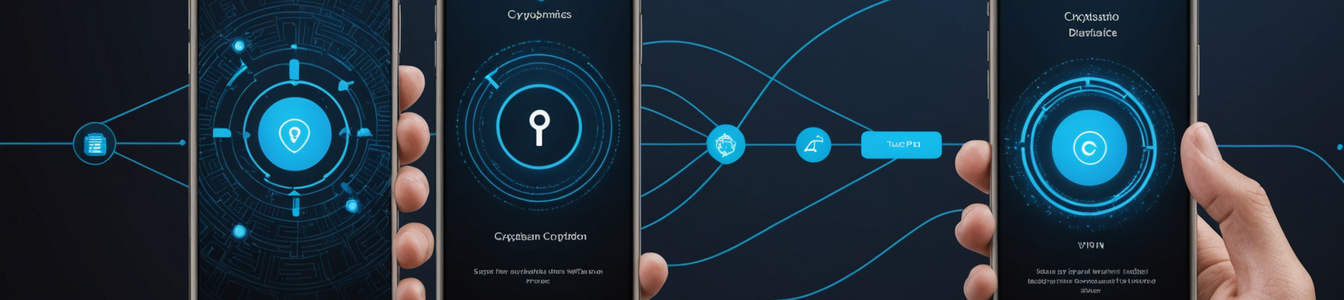
The technical implementation in Android 17 centers on a new, standardized API and user interface within the system's VPN settings. Users can activate a VPN connection and then access a dedicated menu to manage a "split tunnel" or "exclusion" list. Here, they can selectively toggle individual applications to bypass the encrypted VPN tunnel. Traffic from excluded apps will route directly through the device's default internet connection—be it Wi-Fi or mobile data—while all other traffic remains protected by the VPN. This solves the classic frustration where a VPN, essential for privacy on public networks, would break functionality for apps that rely on geographic localization, such as banking apps detecting "suspicious" foreign IP addresses, streaming services with regional licensing, or smart home apps trying to communicate with devices on the local network.
Impact on the VPN Market and User Privacy
For the commercial VPN industry, Android's native integration is a disruptive force. A key premium differentiator is being commoditized and offered for free at the operating system level. This pressures VPN providers to innovate beyond simple split tunneling, focusing instead on superior server networks, advanced protocols (like WireGuard integration), stronger no-logs policies, and specialized features like ad-blocking or multi-hop connections. For the privacy-conscious user, this is a net positive. It democratizes a powerful privacy tool, allowing even users of basic or free VPN services to enjoy granular control over their traffic. However, it also introduces a new layer of complexity and potential risk. Users must now make informed decisions about which apps to exclude, understanding that traffic from those apps will be unprotected and potentially visible to their ISP or network operator.
The Cybersecurity Professional's Perspective
From an enterprise and security analyst viewpoint, Android 17's split tunneling is a double-edged sword. On one hand, it enables more sophisticated mobile device management (MDM) and zero-trust policies. IT administrators can mandate VPN usage for corporate apps (like email and CRM) while allowing personal or bandwidth-intensive apps to use a direct connection, optimizing performance and user experience. This granularity can improve policy compliance by reducing the incentive for employees to disable VPNs entirely due to functionality issues.
On the other hand, it complicates security auditing and threat modeling. A device is no longer in a single, easily defined network state. Security teams must account for a mixed traffic profile, where sensitive corporate data is tunneled but other vectors remain exposed. This necessitates more advanced monitoring solutions capable of discerning which apps are inside or outside the tunnel at any given time. Furthermore, the feature could be exploited by malware to self-exclude from VPN-based traffic inspection, a concern that will require robust security app development and system safeguards.
The Broader Standardization Trend
Android 17's move follows a broader industry trend of integrating privacy and security features directly into platforms. Apple's iCloud Private Relay and various DNS-over-HTTPS implementations are other examples. By standardizing split tunneling, Google is not just adding a feature; it's defining the architectural framework for how VPNs interact with the Android ecosystem. This will lead to more consistent behavior across different VPN apps, fewer compatibility bugs, and a smoother experience for developers who no longer have to account for a dozen different proprietary implementations.
Looking Ahead: Challenges and Opportunities
The rollout will undoubtedly surface challenges. User education is paramount; the average user may not grasp the security implications of excluding their banking app from a VPN. There will also be technical edge cases, particularly with apps that spawn multiple processes or rely on system services in unexpected ways. However, the long-term opportunity is significant. This standardization paves the way for even more advanced network privacy constructs, potentially integrating seamlessly with emerging technologies like Always-On VPN for work profiles or more sophisticated forms of encrypted traffic analysis that respect the split-tunnel boundaries.
In conclusion, Android 17's system-level VPN split tunneling is more than a convenience feature. It is a strategic realignment of power and responsibility in the mobile privacy stack. It empowers users with finer control, challenges VPN vendors to elevate their offerings, and demands a more nuanced approach from cybersecurity professionals. As the line between platform-provided and third-party security continues to blur, this development marks a critical step in the maturation of consumer-grade mobile privacy tools.
Comentarios 0
Comentando como:
¡Únete a la conversación!
Sé el primero en compartir tu opinión sobre este artículo.
¡Inicia la conversación!
Sé el primero en comentar este artículo.