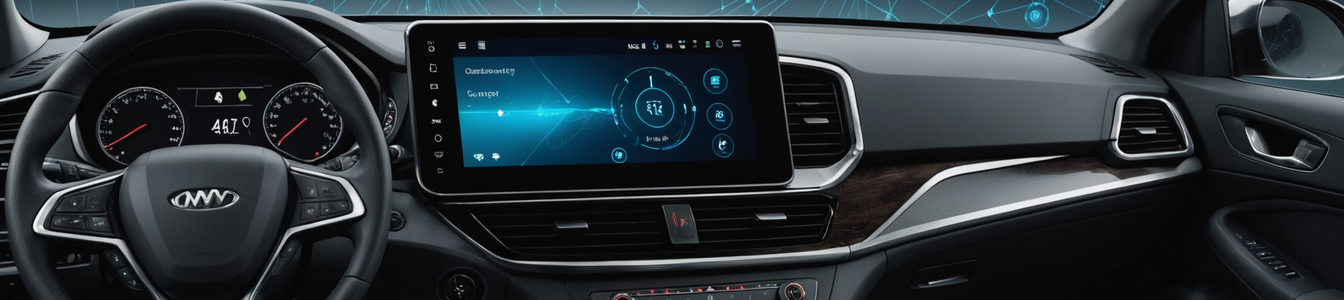
The automotive industry is at a critical juncture in its digital transformation journey. Recent announcements from major manufacturers, particularly General Motors' decision to phase out Android Auto and Apple CarPlay across its entire vehicle lineup, signal a fundamental shift in how automakers approach in-vehicle connectivity and infotainment systems.
This strategic move away from established smartphone integration platforms represents more than just a change in user interface design—it's a complete rearchitecting of the vehicle's digital ecosystem. Automakers are increasingly developing proprietary systems that offer them greater control over the user experience, data collection, and software updates. While this approach promises tighter integration with vehicle functions and potentially enhanced revenue streams through subscription services, it raises significant cybersecurity questions that the industry must address.
From a security perspective, this transition creates both opportunities and challenges. On one hand, proprietary systems allow manufacturers to implement security measures tailored specifically to their hardware and software architecture. They can establish controlled development environments, implement standardized security protocols, and maintain complete oversight of the software supply chain. This centralized approach could theoretically reduce the attack surface presented by third-party integrations.
However, the fragmentation of infotainment ecosystems across different manufacturers introduces new security concerns. Instead of relying on the security expertise of tech giants like Google and Apple, each automaker now bears full responsibility for securing their digital platforms. This creates a scenario where security implementation quality may vary significantly between manufacturers, with some potentially lacking the cybersecurity maturity required for such complex systems.
The timing of this shift is particularly noteworthy as Google continues to enhance Android Auto with advanced features like Gemini AI integration. This creates a parallel development path where Google is adding sophisticated AI capabilities to its platform while automakers are building alternative systems from the ground up. The security implications of AI integration in vehicle systems warrant careful consideration, especially regarding data privacy, decision-making transparency, and potential adversarial attacks.
Cybersecurity professionals should monitor several key aspects of this transition. First, the authentication and authorization mechanisms in proprietary systems will be critical. Without the established security frameworks of Android Auto and CarPlay, manufacturers must develop robust methods for verifying user identity and controlling access to vehicle functions. Second, the update mechanisms for these new systems will determine how quickly security vulnerabilities can be addressed. Over-the-air update capabilities will be essential, but they must be implemented with strong cryptographic verification to prevent malicious updates.
Third, the data protection measures in these proprietary systems will face increased scrutiny. With automakers taking direct control of user data collection and processing, they must implement comprehensive data encryption, secure storage, and transparent data handling policies. The European Union's cybersecurity regulations for connected vehicles add another layer of compliance requirements that manufacturers must meet.
Another significant consideration is the potential for supply chain attacks. As automakers develop these complex software systems, they often rely on multiple third-party suppliers for various components. Each supplier represents a potential entry point for attackers, requiring rigorous security assessments and continuous monitoring throughout the software development lifecycle.
The human factor also plays a crucial role in this transition. As drivers adapt to new interfaces and functionality, there may be a period of increased distraction while learning new systems. Additionally, the cybersecurity awareness of both developers and end-users will significantly impact the overall security posture of these new platforms.
Looking ahead, the industry must establish clear security standards and best practices for proprietary infotainment systems. Collaboration between automakers, cybersecurity researchers, and regulatory bodies will be essential to ensure that security doesn't become an afterthought in the race to develop competitive digital features. Independent security testing and certification programs may emerge as important tools for verifying the security claims of different manufacturers.
For cybersecurity professionals working in the automotive sector, this shift represents both a challenge and an opportunity. There will be increased demand for expertise in embedded systems security, automotive networking protocols, and secure software development practices tailored to vehicle environments. The transition away from established platforms creates an opening for innovative security solutions specifically designed for proprietary automotive systems.
As this transformation unfolds, continuous security assessment and proactive threat modeling will be essential. The connected vehicle ecosystem is evolving rapidly, and security considerations must keep pace with technological advancements to ensure that safety and privacy remain paramount in the vehicles of tomorrow.
Comentarios 0
Comentando como:
¡Únete a la conversación!
Sé el primero en compartir tu opinión sobre este artículo.
¡Inicia la conversación!
Sé el primero en comentar este artículo.