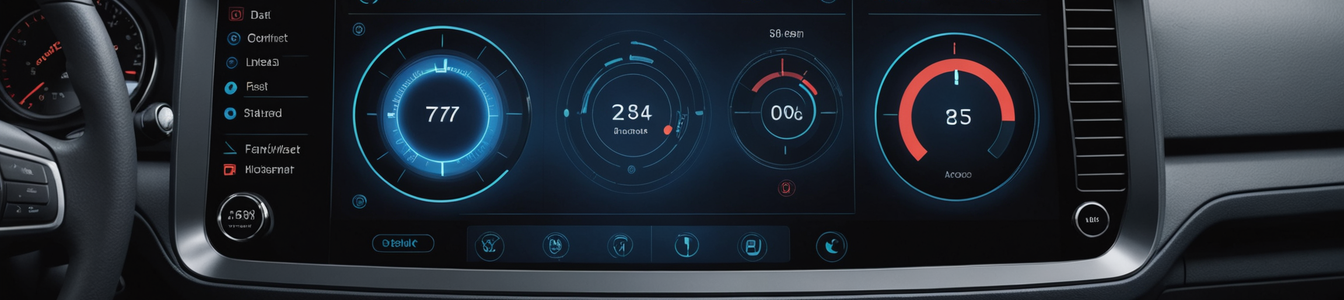
The dashboard of the modern connected vehicle is undergoing a fundamental transformation, evolving from a simple entertainment and navigation hub into a remote control center for the smart home. This convergence, driven by integrations between Apple CarPlay, Android Auto, and IoT device manufacturers, is creating unprecedented convenience—and equally unprecedented security risks. Recent announcements from smart lock leaders Kwikset and Nuki highlight a trend where the physical security of the home is now accessible from the driver's seat, effectively turning the vehicle into a mobile extension of the home network.
Kwikset has expanded its smart lock application to be fully compatible with Apple CarPlay, allowing users to lock, unlock, and check the status of their home's entry points directly through their vehicle's infotainment display. Similarly, European smart lock specialist Nuki has integrated support for Apple's home key technology via the Aliro standard, extending digital key functionality to both iOS and Android platforms, including integration paths for in-vehicle systems. This move towards standardized access (Aliro) aims to simplify the user experience but also standardizes a potential attack vector.
From a cybersecurity perspective, this integration creates a dangerous new attack chain. A vehicle's infotainment system, historically isolated from critical functions, now becomes a privileged gateway to home security. An attacker who compromises the vehicle's head unit—through a malicious app, a vulnerability in the CarPlay or Android Auto protocol, or even via physical access to a parked car—could potentially pivot to the connected home network. The attack surface expands dramatically, as the vehicle is no longer just a transportation asset but a networked device with permissions to manipulate physical security controls.
The risks are compounded by the well-documented instability of these integration platforms. A wave of connectivity issues has recently rendered Android Auto unreliable for many users, particularly owners of Google Pixel and Samsung Galaxy devices, including the latest S26 series. Following a recent update, users report persistent connection failures, crashes, and an inability to establish stable links between their phones and vehicle systems. While these appear as mere reliability bugs, they have significant security implications. Unstable connections can force users to seek alternative, less secure methods of access, such as using manufacturer-specific apps with weaker security postures. Furthermore, intermittent connectivity can obscure malicious background activity, making it harder for users to detect if their system has been compromised.
This automotive-home convergence represents a classic case of security being an afterthought in the race for functionality and market share. The threat model for a smart lock traditionally considered attacks via the home Wi-Fi, Bluetooth, or the cloud. It rarely accounted for an attack originating from a vehicle's system, which may have its own set of unpatched vulnerabilities and a different physical security context (e.g., a rental car, a car being serviced). Security teams must now consider:
- Cross-Ecosystem Trust: How is authentication and authorization managed between the car's system and the smart home device? Does a temporary token in the car provide persistent access?
- Protocol Security: Are the communications between the vehicle app and the home lock properly encrypted and authenticated, or are they relying on the security of the underlying CarPlay/Android Auto bridge, which may not be designed for high-sensitivity commands?
- Update Disparity: Vehicles have notoriously long and fragmented software update cycles, while mobile phones and IoT devices update more frequently. A vulnerability patched on the phone app may persist for years in the vehicle's infotainment software, leaving a permanent backdoor.
- Physical Proximity Attacks: The integration could enable new relay attacks. A thief near a home could attempt to intercept or relay signals from a vehicle approaching the driveway to trigger an unlock.
Mitigating these risks requires a collaborative effort. IoT manufacturers must implement strict, context-aware authentication (e.g., requiring secondary approval for unlock commands originating from a vehicle). Automotive OEMs need to treat infotainment systems with the same security rigor as critical vehicle networks, implementing application sandboxing and robust integrity checks. For consumers and enterprise security managers, the advice is to exercise caution. The convenience of locking your door from your car should be weighed against the potential risk. Disabling such integrations unless absolutely necessary, using strong, unique passwords for all associated accounts, and ensuring all devices (phone, car, lock) are running the latest available firmware are essential first steps.
The 'smart lock sprawl' into vehicles is not an isolated trend but a precursor to a wider integration of home automation controls within mobile platforms. The security community must address this cross-pollination of attack surfaces now, before a major breach demonstrates the real-world consequences of turning our dashboards into home security consoles.
Comentarios 0
Comentando como:
¡Únete a la conversación!
Sé el primero en compartir tu opinión sobre este artículo.
¡Inicia la conversación!
Sé el primero en comentar este artículo.