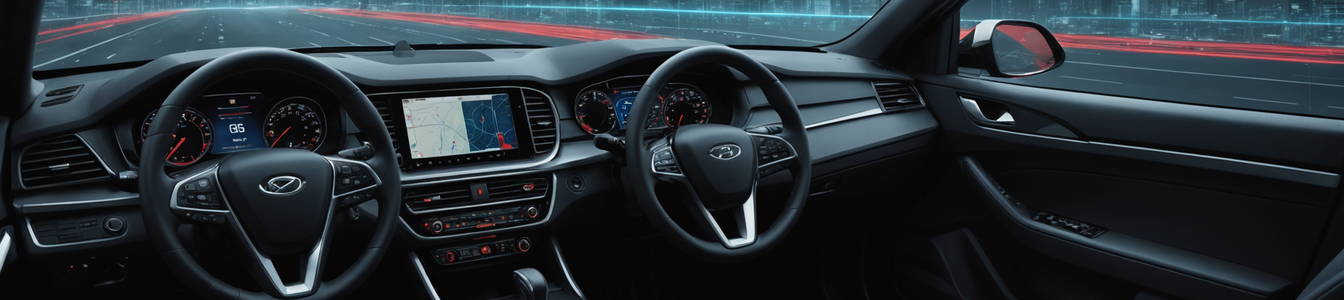
The integration of consumer mobile platforms into automotive systems has created a complex and expanding attack surface where digital vulnerabilities now carry immediate physical consequences. Recent widespread connectivity failures in Android Auto following software updates reveal systemic weaknesses in vehicle-infotainment integration, while Google's strategic push to embed Android directly into vehicle operating systems creates new security challenges for the automotive industry.
Connectivity Failures Expose Systemic Vulnerabilities
Over the past several months, numerous Android Auto users have experienced persistent connection failures following routine software updates. What initially appeared as isolated technical glitches has revealed a pattern of systemic vulnerabilities affecting the critical interface between smartphones and vehicle systems. The failures typically manifest as intermittent disconnections, failure to recognize connected devices, or complete inability to establish initial connections—problems that effectively disable navigation, communication, and entertainment systems during operation.
Technical analysis indicates multiple contributing factors. USB port compatibility issues represent a significant portion of reported problems, with specific vehicle models exhibiting particular sensitivity to power delivery variations and data transfer protocols. This hardware-software interaction vulnerability highlights how seemingly minor compatibility issues can cascade into system failures. Additionally, update-induced software conflicts between Android Auto, vehicle firmware, and smartphone operating systems create unstable environments where security patches intended to address vulnerabilities inadvertently introduce new failure points.
The USB Port as Attack Vector
The humble USB port has emerged as a critical vulnerability point in vehicle security architecture. These physical interfaces, originally designed for simple data transfer and charging, now serve as primary gateways between external devices and vehicle networks. Security researchers have identified multiple attack vectors through compromised USB connections, including:
- Power delivery manipulation that can trigger system resets or instability
- Data protocol exploitation that bypasses software security measures
- Physical connection vulnerabilities that enable man-in-the-middle attacks
- Firmware manipulation through compromised charging cables or devices
What makes these vulnerabilities particularly concerning is their accessibility. Unlike sophisticated remote exploits, USB-based attacks require only physical access to the vehicle's interior—a threshold easily met in parking scenarios, valet situations, or service appointments. The convergence of convenience and vulnerability in these ubiquitous ports exemplifies the security challenges inherent in consumer-vehicle integration.
Google's Automotive Ambitions: Expanding the Attack Surface
Parallel to these immediate Android Auto vulnerabilities, Google is aggressively expanding its automotive footprint through Android Automotive OS—a complete vehicle operating system built directly into vehicle architecture rather than connecting via smartphone. This strategic shift from projection-based systems (like Android Auto) to embedded platforms represents both opportunity and risk for vehicle cybersecurity.
Android Automotive OS promises deeper vehicle integration, enabling control over climate systems, instrument clusters, and advanced driver assistance features. However, this expanded access creates correspondingly larger attack surfaces. Open-source components within the Android ecosystem, while promoting innovation and customization, also introduce supply chain security challenges and consistency issues in security implementation across manufacturers.
Google's approach emphasizes connectivity and cloud integration, creating vehicles that are essentially smartphones on wheels. This architecture introduces familiar mobile security challenges—app sandboxing vulnerabilities, permission escalation risks, and update management complexities—into safety-critical automotive environments where failures have immediate physical consequences.
Physical Safety Implications of Digital Failures
The most significant cybersecurity concern in vehicle-infotainment integration is the blurring boundary between convenience features and safety-critical systems. Modern vehicles increasingly share network resources between infotainment and operational systems, creating potential pathways for attackers to move from entertainment functions to critical controls.
Consider the progression: A vulnerability in Android Auto's media playback function could potentially enable access to vehicle CAN (Controller Area Network) buses through shared resources or insufficient network segmentation. From there, attackers might manipulate speedometer readings, disable warning lights, or interfere with braking systems. While such attacks require sophisticated exploitation chains, the increasing connectivity between systems reduces the number of hops needed to reach critical functions.
Moreover, the psychological impact of system failures during operation creates secondary safety risks. Drivers experiencing sudden loss of navigation in unfamiliar areas or distraction from troubleshooting connectivity issues face increased cognitive load and reduced situational awareness—factors that contribute directly to accident risk.
Security Recommendations for Automotive Professionals
Addressing these expanding risks requires coordinated efforts across multiple domains:
- Enhanced Network Segmentation: Vehicle architectures must implement rigorous separation between infotainment, telematics, and safety-critical systems, with monitored gateways controlling all cross-domain communication.
- Secure Update Mechanisms: Over-the-air update systems require cryptographic verification, rollback protection, and failure recovery mechanisms that maintain vehicle operability even during update failures.
- USB Port Security: Physical interfaces need hardware-level security measures including data diodes, power monitoring, and connection authentication to prevent exploitation through compromised devices.
- Supplier Security Standards: Automotive manufacturers must establish and enforce cybersecurity requirements throughout their supply chains, particularly for software components from consumer technology providers.
- Incident Response Planning: Vehicles require built-in capabilities for security incident detection, isolation, and recovery that function without constant cloud connectivity.
The Road Ahead: Balancing Innovation and Security
As vehicles evolve into connected platforms, the automotive and cybersecurity communities face a fundamental challenge: how to leverage consumer technology innovation while maintaining safety-critical reliability standards. The Android Auto connectivity issues serve as a warning—seemingly minor software bugs in consumer-grade systems can disable important vehicle functions when those systems become integral to the driving experience.
Google's expanding automotive ambitions will likely accelerate this convergence, bringing both the benefits of rapid software innovation and the risks of consumer-grade security models into vehicle design. The cybersecurity community's response must balance technical safeguards with architectural principles that maintain essential separation between convenience and critical systems.
Ultimately, securing the connected vehicle requires recognizing that automotive cybersecurity differs fundamentally from traditional IT or mobile security. The stakes include human safety, the attack surface includes physical accessibility, and the consequences unfold in real-time at highway speeds. The Android Auto vulnerabilities represent not just technical glitches, but early indicators of systemic challenges that will define vehicle security for the coming decade.
Comentarios 0
Comentando como:
¡Únete a la conversación!
Sé el primero en compartir tu opinión sobre este artículo.
¡Inicia la conversación!
Sé el primero en comentar este artículo.