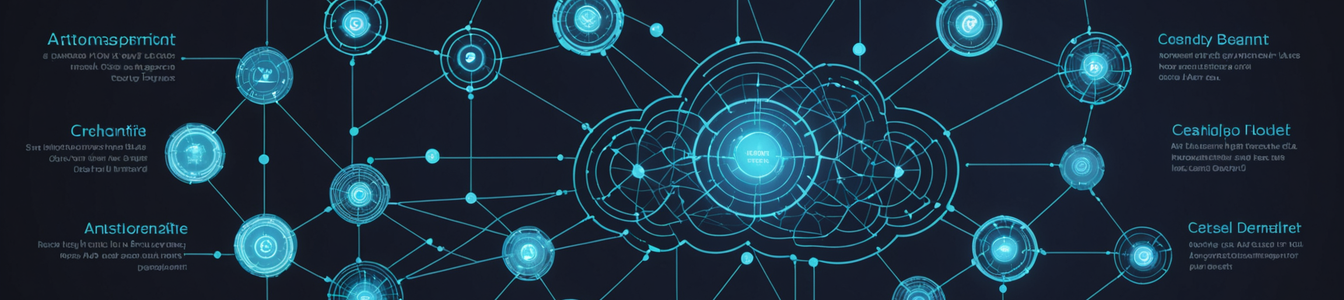
The automotive industry is undergoing a digital transformation with Android's digital car key technology emerging as a cornerstone of modern vehicle access systems. This innovation allows smartphone users to replace traditional physical keys with virtual counterparts, leveraging Bluetooth Low Energy (BLE), Near Field Communication (NFC), and ultra-wideband (UWB) technologies for seamless vehicle interaction.
Technical Implementation and Functionality
Android digital car keys operate through a sophisticated integration of hardware and software components. The system utilizes BLE for proximity detection, enabling vehicles to detect approaching authorized devices within approximately 10-15 meters. For closer-range operations, NFC technology facilitates secure communication when the smartphone is placed near the vehicle's door handle or center console. The latest implementations incorporate UWB for precise spatial awareness, preventing relay attacks by accurately measuring the phone's distance and position relative to the vehicle.
The authentication process involves multiple security layers, including cryptographic handshakes between the mobile device and vehicle systems. Each digital key is uniquely encrypted and tied to specific vehicle identification numbers (VINs), creating a secure pairing that prevents unauthorized duplication. Vehicle manufacturers implement proprietary security protocols that work in conjunction with Android's built-in security features, including hardware-backed keystores and biometric authentication requirements.
Cybersecurity Implications and Attack Vectors
Despite the convenience benefits, security researchers have identified several concerning vulnerabilities in digital key implementations. The primary attack vectors include:
BLE Signal Relay Attacks: Attackers can amplify and relay BLE signals between legitimate devices and vehicles, effectively tricking the system into believing an authorized phone is within proximity. This technique has been demonstrated successfully against several vehicle models, allowing unauthorized access without physical key presence.
NFC Skimming and Manipulation: While NFC requires close proximity, sophisticated attackers can intercept and manipulate communication through specialized equipment. Security analyses have revealed potential weaknesses in the challenge-response protocols used during NFC authentication.
Cloud Infrastructure Vulnerabilities: Digital key systems often rely on cloud services for key provisioning and management. Compromised manufacturer servers or weak API security could lead to mass key duplication or unauthorized access grants.
Mobile Application Security: The security of the entire system depends heavily on the integrity of mobile applications. Malicious apps with appropriate permissions could potentially extract or manipulate digital key data, especially on rooted or compromised devices.
Authentication Bypass Techniques: Researchers have discovered methods to bypass biometric authentication requirements on some implementations through software exploits or hardware manipulation, though these typically require physical access to the target device.
Industry Response and Security Measures
Automotive manufacturers and technology partners are implementing countermeasures to address these security concerns. Multi-factor authentication requirements, including combinations of biometric verification, device passcodes, and secondary authentication methods, are becoming standard. Enhanced encryption protocols using elliptic curve cryptography and regularly rotated cryptographic keys help prevent long-term compromise.
Vehicle manufacturers are also developing intrusion detection systems specifically for digital key implementations. These systems monitor for anomalous access patterns, multiple rapid authentication attempts, or signals originating from unexpected locations. Some implementations now include time-based access restrictions and geofencing capabilities to limit key functionality outside predefined parameters.
The Future of Vehicle Access Security
As digital key technology evolves, the cybersecurity community must maintain vigilance through continuous security assessments and penetration testing. Standardization efforts led by organizations like the Car Connectivity Consortium aim to establish baseline security requirements across manufacturers. However, the rapid pace of innovation often outpaces security considerations, creating an ongoing challenge for security professionals.
Emerging technologies like quantum-resistant cryptography and hardware security modules integrated directly into vehicle systems show promise for future implementations. Meanwhile, security researchers emphasize the importance of defense-in-depth strategies, combining secure software development practices with robust hardware security and comprehensive incident response plans.
The adoption of Android digital car keys represents a fundamental shift in vehicle security paradigms, moving from physical mechanical systems to software-defined access control. While offering unprecedented convenience, this transition demands equally advanced security measures to protect against increasingly sophisticated cyber threats targeting connected vehicles.
Comentarios 0
Comentando como:
¡Únete a la conversación!
Sé el primero en compartir tu opinión sobre este artículo.
¡Inicia la conversación!
Sé el primero en comentar este artículo.