The digital landscape of phishing has undergone a significant transformation. Gone are the days of generic "Nigerian prince" emails sent to millions indiscriminately. Today's phishing campaigns represent a calculated game of brand imitation, where attackers meticulously select their corporate masks based on strategic value, psychological factors, and technical feasibility. This evolution marks a shift from quantity to quality, with threat actors investing resources to impersonate specific brands that yield higher success rates and greater financial returns.
Recent investigations into phishing trends for 2025 have identified clear patterns in brand selection. The most frequently imitated companies share several key characteristics: they possess massive, global user bases with ingrained trust; they routinely handle sensitive personal and financial data; and their legitimate communications often include links or requests for information. This perfect storm makes their impersonation both lucrative and believable. While specific rankings vary by region and reporting entity, the usual suspects include tech giants like Microsoft, Google, and Apple, major financial institutions and payment processors, and popular subscription-based services like Netflix and Amazon.
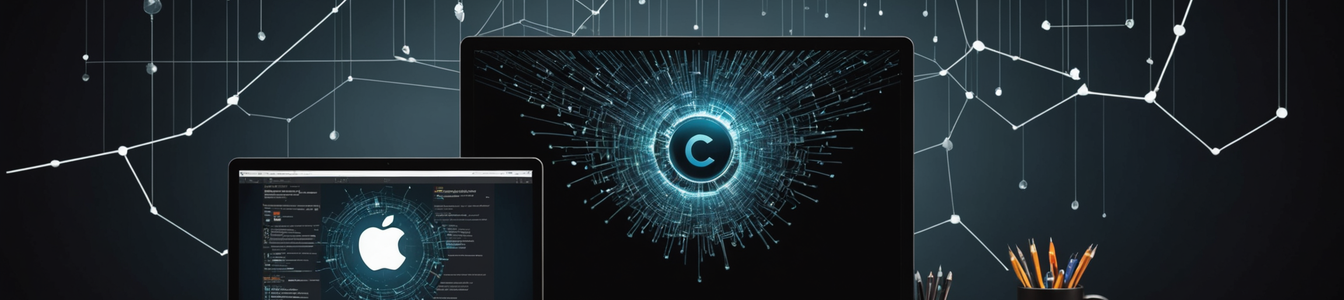
A prime example of this sophisticated impersonation is the recent surge in Apple support scams. These campaigns demonstrate a deep understanding of both the brand's aesthetic and its customer interaction protocols. Attackers create near-perfect replicas of Apple's support portals, complete with official logos, fonts, and layout. The lures are contextually relevant—they often reference expired iCloud subscriptions, suspicious account activity, or pending refunds—exploiting moments when users expect communication from the company. The psychological hook is powerful because it leverages the high trust consumers place in Apple's ecosystem and the urgency associated with account security.
This strategic brand selection reflects an advanced form of social engineering. Phishers are no longer just spoofing email addresses; they are conducting market research. They analyze which brands have the most frictionless password reset flows, which services have widespread premium subscriptions worth hijacking, and which corporate identities are least likely to trigger suspicion when requesting credentials. They prey on the normalization of digital communication, where an email from a "trusted" brand asking you to "verify your account" feels routine rather than alarming.
The technical execution has also improved. Modern phishing kits often include dynamic content that changes based on the victim's location or language, and they utilize domains with subtle typos (like "apple-support.com" or "secure-apple.verify") that can slip past cursory glances. Some even incorporate basic SSL certificates to display the reassuring padlock icon in the browser address bar, a visual cue many users mistakenly associate with legitimacy.
This evolving threat landscape places new demands on both organizational security and individual vigilance. For the cybersecurity community, the implications are clear: traditional blocklists based on known malicious domains are insufficient. Defense must evolve towards behavior-based detection that analyzes the context of a communication, its linguistic patterns, and the anomaly of the request relative to normal user-brand interactions.
Independent testing of security solutions underscores this challenge. In recent evaluations of anti-phishing technologies, solutions demonstrated varying levels of effectiveness against these targeted brand impersonation attacks. NordVPN's Threat Protection Pro feature, for instance, was ranked third in an independent anti-phishing test, highlighting the competitive and essential nature of these defensive tools. Such tests typically evaluate detection rates, false positives, and the ability to block newly created phishing sites that impersonate top-targeted brands.
For enterprises, the brand imitation game creates dual responsibilities. First, they must protect their customers from impersonation through robust domain monitoring, rapid takedown of fraudulent sites, and clear customer education about official communication channels. Second, they must train their own employees to recognize sophisticated phishing attempts that may impersonate partners, vendors, or even internal departments.
Individuals, meanwhile, must adopt a mindset of healthy skepticism. Key red flags include unsolicited messages creating a sense of urgency, links that don't match the brand's official domain structure, and requests for credentials that a legitimate service would never ask via email. The best practice remains to navigate directly to a service's official website through a bookmarked link or typed URL, rather than clicking links in emails or messages.
The future of phishing will likely see further specialization. As defenses improve against broad campaigns, attackers may shift to hyper-targeted "spear-phishing" that impersonates regional brands or specific business services. Artificial intelligence could enable the mass customization of lures, making each phishing attempt uniquely tailored.
In conclusion, the brand imitation game represents a mature phase in the evolution of cybercrime. By understanding why phishers pick certain corporate masks—analyzing the interplay of trust, value, and opportunity—the cybersecurity community can develop more effective countermeasures. This requires moving beyond technical solutions to address the human and psychological dimensions of the threat, building resilience against the carefully crafted illusions that define modern phishing.
Comentarios 0
Comentando como:
¡Únete a la conversación!
Sé el primero en compartir tu opinión sobre este artículo.
¡Inicia la conversación!
Sé el primero en comentar este artículo.