The eternal cat-and-mouse game between cybersecurity defenders and phishing attackers is entering a new phase, characterized by increasingly clever defensive tools and disturbingly effective offensive tricks. Recent developments from national agencies, private companies, and threat actors paint a clear picture of an evolving arms race where user awareness remains the ultimate battleground.
Proactive Defense: Belgium's Pre-emptive Strike
Moving beyond reactive takedowns, Belgium's cybersecurity center (CCB) has adopted a novel, proactive strategy. Their approach is based on a simple yet powerful observation: many cybercriminals are not masterminds and often rely on predictable patterns. The CCB now systematically identifies and preemptively registers domain names that are highly likely to be used for phishing campaigns against Belgian institutions. By owning these domains before the attackers do, they effectively neuter potential scams before they can even begin. This strategy of 'domain squatting for good' represents a significant shift from purely reactive post-breach measures to anticipatory defense, setting a potential precedent for other national cybersecurity organizations.
Empowering Users: NordVPN's Free Scam Checker
On the consumer tools front, NordVPN has launched a freely accessible 'Scam Checker' to democratize phishing detection. This web-based tool allows anyone to paste a suspicious URL, email, or text message for analysis. It cross-references the input against known phishing databases and analyzes patterns, syntax, and other red flags indicative of fraud. The launch of such a tool by a major security vendor for free public use highlights the industry's recognition that technological solutions must be complemented by empowered end-users. It serves as a first line of inquiry, encouraging a 'stop and check' habit that can prevent a click in a moment of uncertainty.
The Offensive Counter: Exploiting Trust in Apple Mail
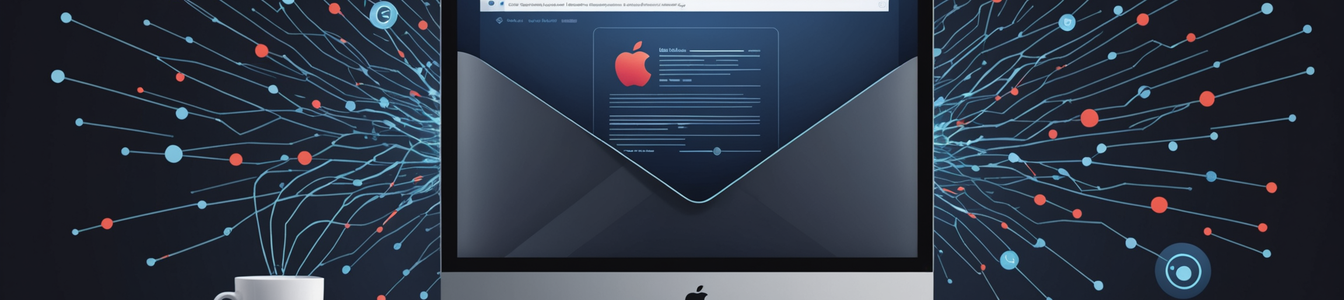
Just as defenses improve, so do the attacks. Security researchers have identified a sophisticated phishing campaign specifically targeting users of Apple's default Mail application on iPhones, iPads, and Macs. The scam exploits a powerful psychological trigger: the 'trusted sender' label. Attackers are using previously compromised, but legitimate, email accounts from services like Gmail or Outlook to send their phishing emails. Because these accounts have a history of legitimate activity and may be in the recipient's contacts, Apple Mail's algorithms often automatically assign them the 'trusted sender' badge. This badge, intended to signal safety, is weaponized to lend credibility to malicious messages designed to steal login credentials or financial information.
This technique is particularly insidious because it bypasses many traditional email security filters that focus on blacklisting known malicious domains or analyzing content from overtly suspicious sources. An email coming from a genuine Gmail address with a trusted badge is far more likely to reach the inbox and be acted upon. It represents a move towards 'low-and-slow' social engineering, where the investment is in acquiring legitimate sending infrastructure to exploit inherent trust in platform features.
Analysis: The Evolving Battlefield
These concurrent developments reveal key trends in the phishing ecosystem. Defenders are thinking further ahead, employing pre-emption (Belgium) and mass user empowerment (NordVPN). The goal is to shrink the attack surface and raise the cognitive cost for a potential victim to fall for a scam.
Conversely, attackers are refining their social engineering to exploit the very features and interfaces users are taught to trust. The Apple Mail exploit is not a technical vulnerability in the code, but a manipulation of user interface elements and psychological assumptions. It signals a shift towards more targeted, context-aware scams that leverage platform-specific trust signals.
Recommendations for Professionals and Organizations
For cybersecurity professionals, this underscores the need for a layered defense strategy:
- Technical Controls: Implement email security solutions that go beyond reputation scores, incorporating advanced impersonation protection and behavioral analysis.
- User Training: Move beyond generic 'don't click links' training. Conduct specific drills showing how trusted sender badges, familiar logos, and compromised legitimate accounts can be used in attacks. Simulate phishing tests that mimic these advanced techniques.
- Policy & Process: Enforce multi-factor authentication (MFA) rigorously to mitigate the impact of credential theft. Encourage reporting of suspicious emails, even those that appear to come from trusted sources.
- Leverage New Tools: Integrate public tools like scam checkers into security awareness communications as recommended resources for employees' personal and professional vigilance.
The phishing arms race is no longer just about crafting a convincing fake login page. It's a multidimensional conflict involving pre-emptive domain warfare, accessible verification tools, and sophisticated manipulations of digital trust. In this environment, continuous education, layered security, and a healthy dose of skepticism are the most critical defenses any individual or organization can deploy.
Comentarios 0
Comentando como:
¡Únete a la conversación!
Sé el primero en compartir tu opinión sobre este artículo.
¡Inicia la conversación!
Sé el primero en comentar este artículo.