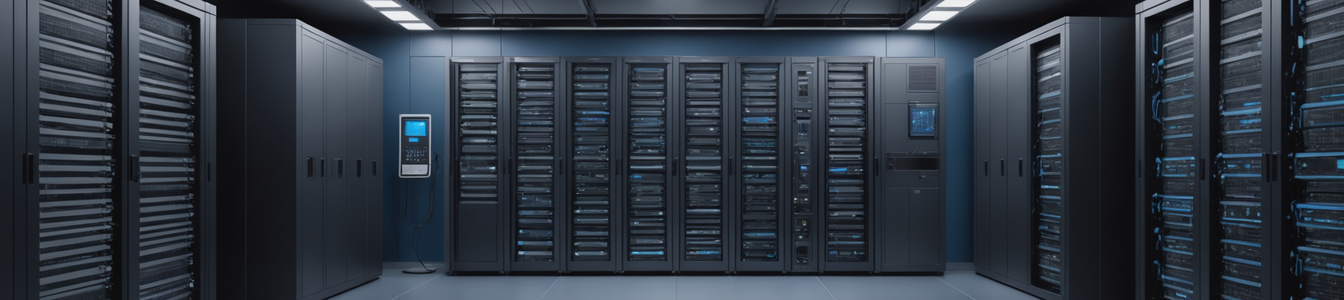
Amazon Web Services has unveiled a strategic move that could fundamentally reshape how enterprises deploy artificial intelligence while simultaneously creating one of the most complex hybrid security challenges in recent memory. The new 'AI Factories' offering places AWS-managed, Nvidia-powered AI infrastructure directly inside customer data centers, creating what analysts are calling a 'cloud embassy' behind corporate firewalls.
The Technical Proposition: Cloud AI Behind Your Firewall
The AWS AI Factories solution represents a radical departure from traditional cloud or on-premises deployments. AWS delivers pre-configured racks containing Nvidia's latest AI accelerators (including the Blackwell architecture), high-performance networking, and storage—all managed remotely by AWS engineers. The physical infrastructure resides in the customer's data center, but operational control, monitoring, patching, and updates remain with AWS through a dedicated, secure connection back to AWS management planes.
This model directly addresses two critical enterprise concerns: data sovereignty and AI performance latency. Sensitive training data never leaves the corporate perimeter, satisfying stringent regulatory requirements in sectors like finance, healthcare, and government. Meanwhile, inference happens locally at hardware speeds, eliminating cloud round-trip delays for time-sensitive applications.
The Cybersecurity Conundrum: Managed Black Boxes in Secure Environments
Security teams are facing unprecedented challenges with this architecture. Traditionally, on-premises infrastructure falls under complete organizational control, with full visibility into network traffic, system processes, and administrative access. Cloud services operate in a shared responsibility model with clear demarcation lines. AWS AI Factories create a third category: fully managed external systems operating within the most secure zones of an organization's network.
'This creates a managed black box inside your perimeter,' explains Maria Chen, CISO of a global financial institution evaluating the technology. 'We're being asked to grant what amounts to diplomatic immunity to AWS infrastructure within our network. They manage it, patch it, access it—but we bear the ultimate risk if it's compromised.'
The security model relies on encrypted tunnels between the AI Factory racks and AWS control planes. While AWS emphasizes military-grade encryption and zero-trust access controls, security professionals note that these connections represent persistent, high-privilege pathways from the internet into heart-of-the-network systems. Any vulnerability in AWS's management infrastructure could potentially expose customer networks through these channels.
Compliance and Governance in a Blended Model
Regulatory compliance becomes significantly more complex with this hybrid approach. While data remains physically local, the processing systems are externally controlled. For industries governed by regulations like HIPAA, GDPR, or financial services mandates, this creates ambiguous territory. Who is responsible for audit trails of administrative access to the AI systems? How are model training processes validated for compliance with ethical AI guidelines or industry-specific rules?
Organizations must establish new governance frameworks that account for this shared-but-unequal responsibility model. Traditional cloud compliance questionnaires don't address scenarios where cloud infrastructure operates inside corporate data centers. Security teams need to develop specific controls for monitoring the encrypted management channels, validating AWS's internal security practices through enhanced due diligence, and creating incident response plans that account for AWS's role in their on-premises environment.
Supply Chain and Insider Risk Considerations
The AI Factories model introduces novel supply chain security concerns. The hardware is sourced and configured by AWS, with firmware and software stacks maintained remotely. Organizations have limited ability to perform their own vulnerability scans or security assessments on what are effectively AWS-owned systems within their walls. This creates dependency on AWS's security posture and transparency.
Furthermore, the model potentially expands the attack surface for insider threats—both from within the customer organization and within AWS. While AWS maintains rigorous internal controls, the architecture creates scenarios where a compromised AWS engineer could potentially access multiple customer AI Factories through centralized management tools.
Strategic Implications for Security Architecture
Forward-thinking security organizations are approaching this technology with cautious innovation. Recommended strategies include:
- Network Segmentation and Microperimeters: Isolating AI Factory infrastructure in specially designed network segments with strict traffic filtering, even from other internal systems.
- Enhanced Monitoring of Management Channels: Deploying network detection and response (NDR) solutions to monitor encrypted tunnel metadata for anomalous behavior patterns.
- Contractual Security Specifications: Negotiating detailed security appendices in contracts specifying audit rights, breach notification timelines, and security control requirements.
- Unified Security Operations: Integrating AWS-provided security telemetry from the AI Factories into existing SIEM and SOAR platforms for correlated analysis.
- Red Team Exercises: Specifically testing the AI Factory infrastructure and its management connections during penetration tests and red team engagements.
The Future of Hybrid Cloud Security
AWS AI Factories represent the leading edge of a broader trend: cloud providers moving managed services into customer environments. Microsoft Azure has similar initiatives with Azure Stack HCI, while Google Cloud has explored edge computing models. What makes AI Factories particularly significant is the combination of cutting-edge AI capabilities with the sensitive data they process.
As this model evolves, the cybersecurity industry must develop new standards, frameworks, and best practices. Organizations adopting these solutions should treat them as critical infrastructure requiring specialized security attention, not merely as another cloud service or on-premises deployment. The blurred lines between cloud and on-premises demand equally innovative security approaches that transcend traditional boundaries.
The ultimate security test will come when (not if) a significant vulnerability or breach affects these hybrid systems. How AWS and its customers respond will set precedents for this emerging category of infrastructure. For now, security leaders must navigate this new terrain with eyes wide open to both its transformative potential and its unprecedented risks.
Comentarios 0
Comentando como:
¡Únete a la conversación!
Sé el primero en compartir tu opinión sobre este artículo.
¡Inicia la conversación!
Sé el primero en comentar este artículo.