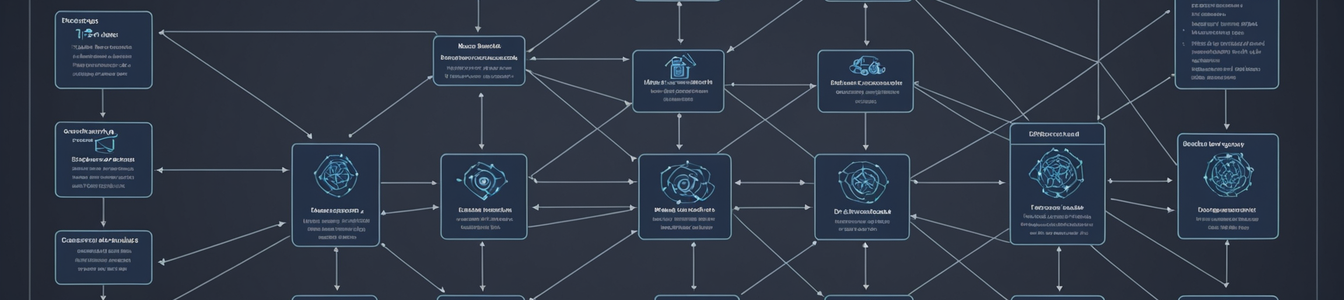
The Breach: A Foundational Component Under Attack
The cybersecurity landscape was shaken in late March 2026 by the confirmed compromise of Axios, a ubiquitous JavaScript library used by millions of developers to handle HTTP requests. As a core dependency in modern web development stacks like React, Vue.js, and Node.js, Axios's integrity is paramount. The attack vector was classic supply chain sabotage: threat actors gained unauthorized access to the library's NPM (Node Package Manager) distribution channel and published maliciously modified versions. These tainted packages, masquerading as legitimate updates, were then automatically pulled into countless development pipelines and production environments worldwide.
Initial forensic analysis suggests the injected payload was designed to be stealthy and multi-purpose. It could exfiltrate environment variables—often containing API keys, database credentials, and other secrets—to attacker-controlled servers. In more targeted scenarios, the code could act as a downloader for secondary malware, such as ransomware or cryptocurrency miners, or establish a persistent foothold within an application's infrastructure. The scale of the potential impact is staggering, given Axios's role as a near-universal utility in both frontend and backend JavaScript code.
Systemic Weaknesses in the Open-Source Ecosystem
This incident is not an anomaly but a symptom of deep-seated vulnerabilities within the open-source software (OSS) supply chain. The modern application is a mosaic of hundreds, sometimes thousands, of third-party dependencies. While this model accelerates innovation, it creates a massive attack surface where a single compromised component, like Axios, can have cascading effects. Key systemic issues exposed include:
- Over-reliance on Maintainer Vigilance: Many critical projects are maintained by a small group of volunteers or under-resourced teams, making them vulnerable to social engineering, credential theft, or maintainer burnout.
- Automated Trust: Development tools and CI/CD pipelines are configured to automatically trust and integrate updates from central repositories like NPM, PyPI, or RubyGems, often without sufficient integrity checks.
- Lack of Visibility: Most organizations lack a comprehensive Software Bill of Materials (SBOM) to track all dependencies and their versions, making impact assessment and remediation painfully slow during a crisis.
The Imperative for Proactive Defense and Vulnerability Management
Reactive measures are insufficient in the face of such threats. The Axios hack reinforces the critical need for a proactive, layered security posture centered on vulnerability management. Organizations must move beyond merely scanning for known CVEs in their direct dependencies. A robust strategy should encompass:
- Dependency Hygiene: Implement strict policies for dependency adoption, including regular audits, preferring minimally-scoped packages, and pinning versions to specific, vetted hashes (not just version numbers).
- Continuous Composition Analysis: Utilize tools that automatically generate and monitor a dynamic SBOM, scanning not just direct dependencies but the entire transitive dependency tree for anomalies, unauthorized changes, or known vulnerabilities.
- Runtime Protection and Behavioral Analysis: Security solutions that monitor application behavior in production are crucial for detecting threats that bypass static scans. Anomalous network calls, unexpected file system access, or attempts to execute suspicious processes can be indicators of a compromised library in action.
- Supply Chain Integrity Verification: Adopt frameworks and tools that verify the provenance and integrity of software artifacts. This includes checking digital signatures, verifying build histories, and using secure, private registries when possible.
Platforms like Wazuh, referenced in expert analyses of proactive security, exemplify the shift towards integrated, continuous monitoring. By correlating data from host-based intrusion detection, vulnerability scans, and log analysis, such platforms can provide the visibility needed to detect supply chain compromises that manifest as subtle behavioral changes rather than blatant exploits.
A Call to Action for the Industry
The Axios NPM hack is a watershed moment. It demonstrates that attackers are strategically targeting the soft underbelly of digital infrastructure: the trusted, open-source components that form its foundation. For security professionals, the mandate is clear. Patching the specific malicious version is only the first step. The long-term solution requires cultural and procedural change:
- Invest in OSS Security: Corporations benefiting enormously from open-source must contribute resources—funding, developer time, security expertise—to the maintenance of critical projects they depend on.
- Adopt a Zero-Trust Approach to Dependencies: Treat every external package as potentially malicious. Verify, isolate, and monitor its behavior.
- Share Intelligence: Rapid, transparent information sharing within the community about such attacks is vital for collective defense.
The fragility of our software foundations has been laid bare. Securing the supply chain is no longer a niche concern but a central pillar of enterprise cybersecurity and national digital resilience. The response to the Axios compromise will set a precedent for how the global tech community defends itself in this new era of systemic cyber risk.
Comentarios 0
Comentando como:
¡Únete a la conversación!
Sé el primero en compartir tu opinión sobre este artículo.
¡Inicia la conversación!
Sé el primero en comentar este artículo.