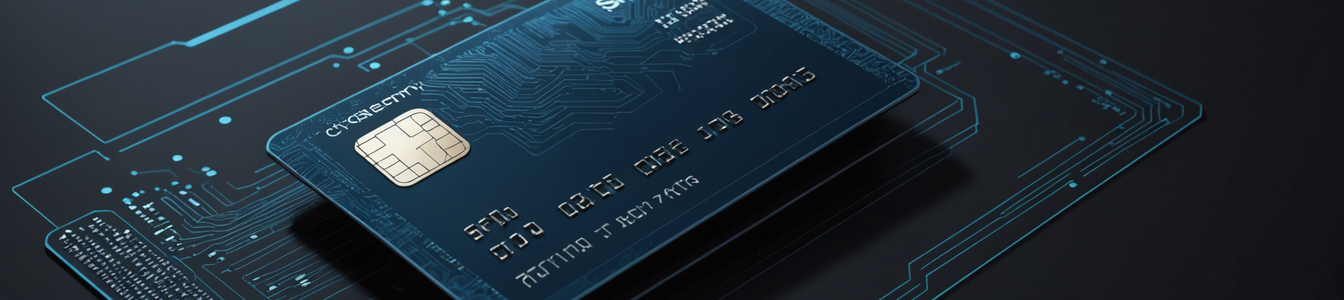
The cybersecurity landscape is witnessing a dangerous evolution: the emergence of sophisticated hybrid scams that seamlessly blend physical and digital components to bypass conventional security awareness. This new attack paradigm, moving beyond pure phishing emails or malware, exploits the inherent trust we place in physical objects and official communications, creating a multi-stage fraud that is significantly more convincing and damaging.
The Anatomy of a Hybrid Scam
The attack chain typically begins in the physical world. As reported in warnings from European consumer protection agencies and financial institutions, a widespread scheme involves victims receiving a counterfeit debit or credit card via postal mail. The card, often bearing the logo of a legitimate bank like Sparkasse, looks authentic and arrives unsolicited. Accompanying the card is a letter, also professionally forged, instructing the recipient to activate the card by calling a provided customer service number.
This is where the digital and social engineering components converge. The provided phone number connects to a fraudulent call center operated by the scammers. When the victim calls, they are greeted by convincing automated menus or live operators who mimic bank security protocols. The "agent" then guides the victim through the "activation" process, which invariably involves harvesting critical personal identification numbers (PINs), online banking credentials, or transaction authorization codes (TANs). With this information, the attackers gain immediate and full access to the victim's real bank account, often draining funds within minutes or hours.
The Digital Payment Angle
Parallel to this, another hybrid vector is exploiting digital payment platforms. Investigations into a spike of unauthorized PayPal transactions reveal a potential link to prior physical interactions. While the exact mechanism is under investigation, security analysts hypothesize that victims may first be compromised through physical mail scams or fraudulent marketplace interactions where they believe they are selling an item. The scammer, after establishing a thread of communication, may manipulate the transaction process or use harvested credentials to initiate unauthorized PayPal payments or money transfers, leveraging the platform's features to obscure the fraud's origin.
Why These Scams Are Effective
The potency of these hybrid attacks lies in their multi-vector nature and psychological manipulation:
- Exploitation of Physical Trust: A tangible object like a card or letter carries subconscious legitimacy that a standalone email lacks.
- Blurred Lines of Defense: Traditional cybersecurity training focuses on digital threats. These scams circumvent that by initiating the attack in a physical domain outside typical IT security monitoring.
- Authority Mimicry: The use of bank logos, official-sounding letters, and professional call center scripts creates a powerful aura of authority, pressuring victims to comply.
- Sequential Trust Building: The physical component (the card) primes the victim to accept the subsequent digital/social engineering step (the phone call) as legitimate.
Implications for Cybersecurity Professionals
This trend has significant ramifications for the security community:
- Expanded Threat Modeling: Security awareness programs must urgently expand their scope to include physical social engineering and the intersection of physical and digital identity. Training should cover threats originating from postal mail, unsolicited hardware, and phone calls triggered by physical events.
- Collaboration with Physical Security: Cybersecurity teams need to forge closer links with physical security, facilities management, and corporate communications departments to develop integrated defense strategies.
- Enhanced Fraud Detection: Financial institutions and payment processors must refine their fraud detection algorithms to identify patterns linked to these hybrid attacks, such as account access from new devices immediately following a customer service call, or transactions originating from regions mismatched with a recently mailed physical item.
- Consumer Communication Strategy: Banks must develop clearer, more secure communication channels to warn customers. Proactive, customer-initiated verification (e.g., "We will never send you an unsolicited card and ask you to call a number to activate it") is crucial.
Recommendations for Consumers and Organizations
- For Individuals: Treat unsolicited physical financial items with extreme skepticism. Never call a number provided on an unsolicited card or letter. Instead, contact your bank using the official number from their website or your existing statements. Be wary of any communication that creates a sense of urgency. Monitor all financial accounts regularly for unauthorized activity.
- For Organizations: Implement multi-factor authentication (MFA) robustly, especially for customer service portals and high-value transactions. Conduct red-team exercises that include physical social engineering vectors. Educate employees, particularly those in customer-facing roles, about these hybrid tactics to prevent them from being used in business email compromise (BEC) or vendor fraud schemes.
The rise of physical-digital hybrid scams represents a strategic escalation by cybercriminals. It underscores a fundamental principle in security: attackers will always seek the path of least resistance. As digital defenses improve, that path now winds through our physical mailboxes and telephone lines. Defending against this requires an equally holistic and integrated security posture that protects the individual at every point of interaction with the modern world.
Comentarios 0
Comentando como:
¡Únete a la conversación!
Sé el primero en compartir tu opinión sobre este artículo.
¡Inicia la conversación!
Sé el primero en comentar este artículo.