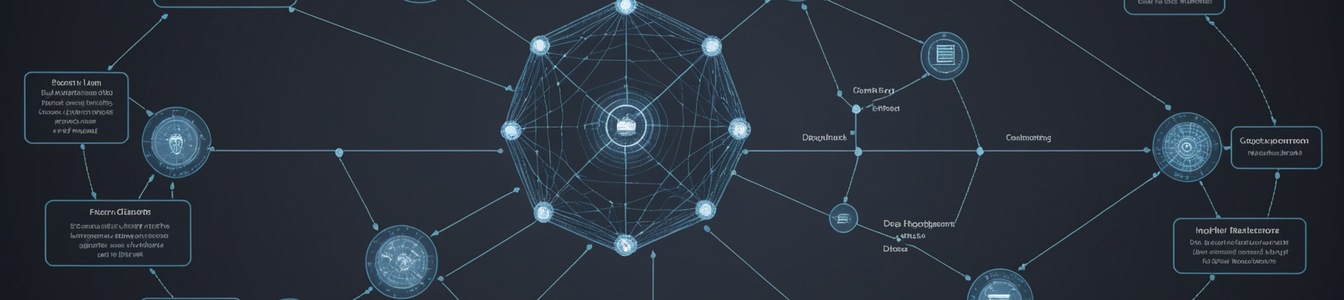
The Kingdom of Bhutan is embarking on one of the most ambitious digital identity projects in government technology history, announcing plans to anchor its entire national ID system on the Ethereum blockchain by early 2026. This groundbreaking initiative positions the Himalayan nation at the forefront of blockchain adoption for public sector applications, but raises significant cybersecurity and privacy questions that could redefine how nations approach digital sovereignty.
Technical Architecture and Implementation
Bhutan's Ethereum-based national identity system will leverage the blockchain's core capabilities while implementing several critical security layers. The system is designed to store identity verification hashes and cryptographic proofs on-chain while keeping sensitive personal data off-chain in secure government databases. This hybrid approach aims to balance the benefits of blockchain's immutability and transparency with the practical requirements of data protection.
According to technical specifications obtained from government sources, the system will utilize zero-knowledge proofs (ZKPs) to enable identity verification without exposing underlying personal information. This cryptographic technique allows citizens to prove specific attributes—such as being over 18 or holding citizenship—without revealing their complete identity profile.
Security Advantages and Innovations
The migration to Ethereum offers several compelling security benefits that address longstanding challenges in national identity systems. The decentralized nature of blockchain technology eliminates single points of failure that have plagued centralized identity databases in previous government breaches. The immutability of blockchain records provides strong protection against identity tampering and document forgery, while the transparency of public ledgers enables independent verification of system integrity.
"This represents a fundamental shift in how we think about national identity security," explains Dr. Anika Sharma, cybersecurity researcher at the Digital Governance Institute. "By distributing trust across a decentralized network, Bhutan is creating a system where no single entity can compromise the entire identity infrastructure."
Critical Privacy Concerns
Despite the security advantages, cybersecurity experts are raising alarms about potential privacy implications. The permanent nature of blockchain transactions means that identity verification events and system interactions become immutable records that could potentially be analyzed for patterns of citizen behavior.
Dr. Marcus Chen, privacy advocate and director of the Digital Rights Foundation, warns: "While the technical implementation may protect direct personal data exposure, the metadata generated by identity transactions creates a detailed map of citizen activities. In a public blockchain environment, this metadata could become accessible to various actors, including surveillance entities and commercial data brokers."
Enterprise Security Implications
For enterprise cybersecurity professionals, Bhutan's initiative presents both opportunities and challenges. The standardization of blockchain-based identity verification could streamline Know Your Customer (KYC) processes and reduce identity fraud in financial services and enterprise applications. However, it also introduces new attack vectors and requires organizations to adapt their identity management infrastructure.
Security teams must prepare for:
- Integration with existing identity and access management systems
- New cryptographic verification protocols
- Enhanced monitoring for blockchain-specific threats
- Compliance with emerging regulatory frameworks for blockchain identity
Global Context and Industry Impact
Bhutan's project occurs against a backdrop of increasing global interest in blockchain identity solutions. The European Union's digital identity framework, various national digital currency projects, and private sector initiatives like Microsoft's decentralized identity platform all point toward broader adoption of blockchain for identity management.
What makes Bhutan's approach distinctive is its comprehensive national scope and government backing. Unlike corporate-led initiatives, this represents a sovereign nation committing its entire citizen identity system to public blockchain infrastructure.
Implementation Timeline and Challenges
The phased implementation, targeting early 2026 completion, allows for extensive security testing and protocol refinement. The Bhutanese government has established a multi-stage deployment plan that includes:
- Initial pilot programs with limited user groups
- Comprehensive security audits by international cybersecurity firms
- Gradual expansion to full national coverage
- Continuous monitoring and protocol updates
Cybersecurity teams involved in the project emphasize the importance of this measured approach. "Rushing blockchain identity implementation could create catastrophic security gaps," notes Tenzin Dorji, lead security architect for the project. "Our timeline ensures each phase undergoes rigorous security validation before proceeding to the next."
Future Implications and Industry Watch
As Bhutan moves forward with its Ethereum-based identity system, the global cybersecurity community is watching closely. Success could inspire similar initiatives worldwide, while failure might set back blockchain adoption in government services for years.
The project's outcomes will inform critical debates about:
- The viability of public blockchains for sensitive government data
- Privacy-preserving techniques in national-scale deployments
- International standards for blockchain identity systems
- Cross-border interoperability of digital identity frameworks
For cybersecurity professionals, Bhutan's experiment represents a crucial learning opportunity and potential paradigm shift in how we conceptualize, implement, and secure digital identity in an increasingly interconnected world.
Comentarios 0
Comentando como:
¡Únete a la conversación!
Sé el primero en compartir tu opinión sobre este artículo.
¡Inicia la conversación!
Sé el primero en comentar este artículo.