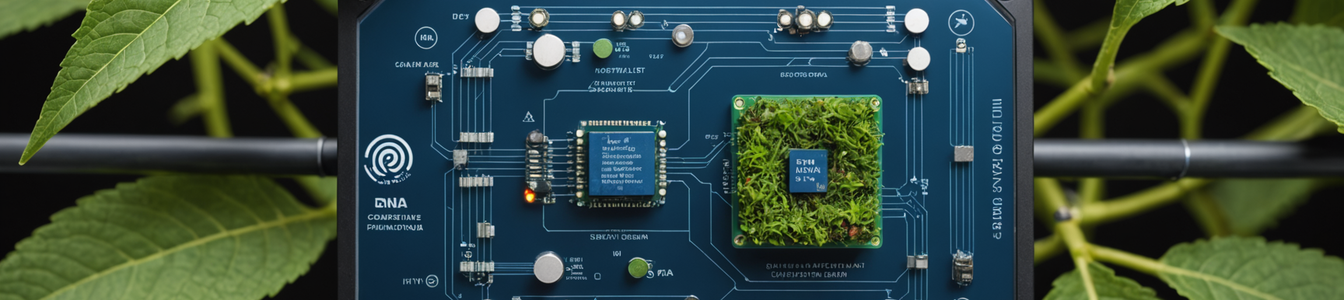
The Internet of Things (IoT) landscape is undergoing a fundamental transformation as biometric and environmental sensing technologies converge, creating what security researchers are calling 'Bio-IoT.' This emerging category extends far beyond fitness trackers and medical devices, infiltrating agricultural operations and workplace environments with sensors that capture sensitive biological and environmental data. The security implications of this expansion are profound, creating unregulated data streams that combine personal information, biological metrics, and operational intelligence in ways that existing cybersecurity frameworks are ill-equipped to handle.
Agricultural Bio-IoT: From Vineyards to Data Harvests
In precision agriculture, systems like the AI-driven grape maturity sensor 'RipenAI' exemplify the new generation of Bio-IoT devices. These sensors don't merely measure soil moisture or temperature; they analyze biological markers of plant health, sugar content, phenolic compounds, and other biochemical indicators that determine crop quality and value. The data collected represents both agricultural intelligence and potential trade secrets about cultivation practices and terroir characteristics.
From a cybersecurity perspective, these agricultural Bio-IoT systems introduce multiple vulnerabilities. Many agricultural sensors utilize legacy industrial protocols or consumer-grade wireless connections with inadequate encryption. The data they collect—while seemingly about plants—can reveal patterns about farming operations, seasonal yields, and even the biological response of crops to specific treatments. This information becomes valuable intellectual property that could be targeted for theft or manipulation. A compromised sensor network could provide false data leading to premature harvests, incorrect irrigation, or misapplied treatments, causing significant economic damage.
Workplace Bio-IoT: The New Frontier of Employee Monitoring
Parallel to agricultural developments, workplace environments are increasingly deploying environmental and biometric sensors under the guise of safety, productivity, and wellness initiatives. These systems monitor air quality, temperature, noise levels, and even employee biometrics like heart rate variability, stress indicators, and movement patterns. The convergence creates datasets that blend personal health information with workplace performance metrics—a combination that raises unprecedented privacy and security concerns.
Unlike regulated healthcare data, workplace Bio-IoT information often exists in a regulatory gray area. The absence of frameworks like HIPAA for agricultural or general workplace biometric data means organizations are creating vast repositories of sensitive information without clear security mandates. This creates liability risks and attractive targets for attackers seeking to exploit employee data or gain insights into corporate operations.
Security Challenges in the Bio-IoT Ecosystem
Cybersecurity professionals face several unique challenges with Bio-IoT expansion:
- Protocol Insecurity: Many Bio-IoT devices use lightweight communication protocols prioritizing battery life over security, creating vulnerable entry points into broader networks.
- Data Aggregation Risks: While individual sensor readings may seem harmless, aggregated datasets can reveal sensitive patterns about biological processes, human behavior, or operational efficiencies that organizations would consider proprietary.
- Supply Chain Vulnerabilities: Bio-IoT devices often come from specialized manufacturers with limited cybersecurity expertise in their development processes, creating potential backdoors or vulnerabilities in firmware.
- Regulatory Fragmentation: The cross-disciplinary nature of Bio-IoT means data may fall under agricultural, employment, consumer protection, or healthcare regulations simultaneously—or none at all.
- Incident Response Complexity: A security incident involving Bio-IoT systems could have consequences ranging from economic loss (crop damage) to physical harm (manipulated environmental controls) to human rights violations (exploitation of biometric data).
Mitigation Strategies for Security Teams
Organizations deploying or managing Bio-IoT systems should implement several key security measures:
- Network Segmentation: Isolate Bio-IoT devices on dedicated network segments with strict access controls and monitoring.
- Data Classification: Develop clear classification schemes for Bio-IoT data based on sensitivity, especially when combining biological, environmental, and operational information.
- Vendor Security Assessments: Include cybersecurity requirements in procurement processes for Bio-IoT devices, demanding transparency about security features and update mechanisms.
- Privacy by Design: Implement data minimization principles, collecting only necessary information and establishing clear retention policies.
- Cross-Functional Governance: Create oversight committees involving IT security, legal compliance, human resources, and operational teams to address the multifaceted risks of Bio-IoT deployments.
The Road Ahead: Toward Secure Bio-IoT Integration
As Bio-IoT continues its expansion into agriculture, workplaces, and beyond, the cybersecurity community must develop specialized frameworks for these hybrid systems. This includes creating security standards for agricultural IoT, developing best practices for workplace biometric data protection, and advocating for sensible regulation that balances innovation with privacy and security.
The convergence of biological sensing and IoT represents one of the most significant—and under-secured—technological trends of this decade. Security professionals who understand both the technical implementation and the unique data sensitivity of Bio-IoT systems will be essential in guiding organizations through this new landscape while protecting against emerging threats that bridge the digital and biological worlds.
Comentarios 0
Comentando como:
¡Únete a la conversación!
Sé el primero en compartir tu opinión sobre este artículo.
¡Inicia la conversación!
Sé el primero en comentar este artículo.