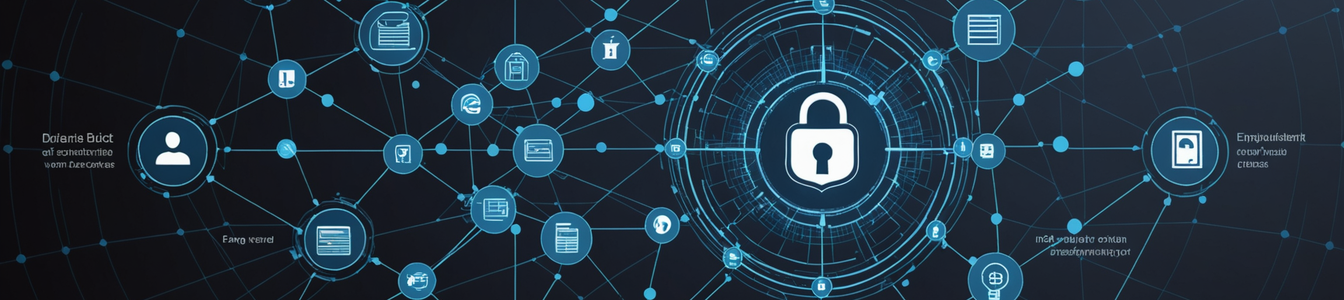
The global escalation of border security requirements is triggering a fundamental transformation in cybersecurity infrastructure and digital identity management systems. As nations worldwide strengthen their immigration compliance frameworks, cybersecurity professionals are confronting unprecedented challenges in securing critical digital infrastructure while maintaining data privacy standards.
Recent security incidents have accelerated the implementation of comprehensive monitoring systems across multiple sectors. Law enforcement agencies are now deploying advanced digital tracking solutions for chemical and material monitoring, creating new cybersecurity requirements for data protection and system integrity. The integration of these surveillance systems with existing government databases represents a significant cybersecurity challenge, requiring robust encryption protocols and secure data transmission channels.
Transportation infrastructure has emerged as a critical focus area, with railway systems and public transit networks implementing enhanced security monitoring. These systems generate massive volumes of data that require sophisticated cybersecurity protection, including real-time threat detection and secure data storage solutions. The convergence of physical security monitoring with digital surveillance creates complex cybersecurity architecture demands that must balance operational efficiency with comprehensive protection.
Healthcare facilities and public institutions are increasingly integrated into border security frameworks, with security measures extending to personnel monitoring and access control systems. This expansion creates additional cybersecurity vulnerabilities that require specialized protection strategies, including secure authentication protocols and encrypted communication channels.
The digital transformation of border security is driving innovation in several key cybersecurity domains. Identity and access management systems are evolving to incorporate biometric verification and behavioral analytics, while data protection frameworks must adapt to handle sensitive immigration and security information. Cloud security architectures are being redesigned to support distributed monitoring systems across multiple jurisdictions.
Cybersecurity professionals face the dual challenge of implementing these advanced systems while ensuring compliance with international data protection regulations such as GDPR and emerging regional privacy frameworks. The complexity increases when considering cross-border data sharing requirements and interoperability between different national security systems.
Artificial intelligence and machine learning technologies are playing an increasingly important role in managing the vast data streams generated by border security systems. These technologies require specialized cybersecurity measures to prevent manipulation and ensure the integrity of security decisions based on automated analysis.
The economic impact of these cybersecurity demands is substantial, with governments and private sector organizations investing heavily in security infrastructure upgrades. This investment is driving growth in specialized cybersecurity services focused on border security applications, including threat intelligence platforms and security operation centers tailored to immigration compliance requirements.
Looking forward, the cybersecurity implications of digital border security will continue to evolve as technologies advance and security requirements become more sophisticated. Professionals in the field must stay ahead of emerging threats while developing solutions that balance security effectiveness with respect for individual privacy rights and international compliance standards.
Comentarios 0
Comentando como:
¡Únete a la conversación!
Sé el primero en compartir tu opinión sobre este artículo.
¡Inicia la conversación!
Sé el primero en comentar este artículo.