The Canadian defense and intelligence community is grappling with two concurrent security breaches that expose systemic vulnerabilities in the protection of classified information. These incidents, involving both sensitive weapons system data and alleged foreign interference by a military officer, represent a perfect storm of insider threats facing modern governments.
The Fighter Jet Data Leak: A Targeted Disinformation Campaign?
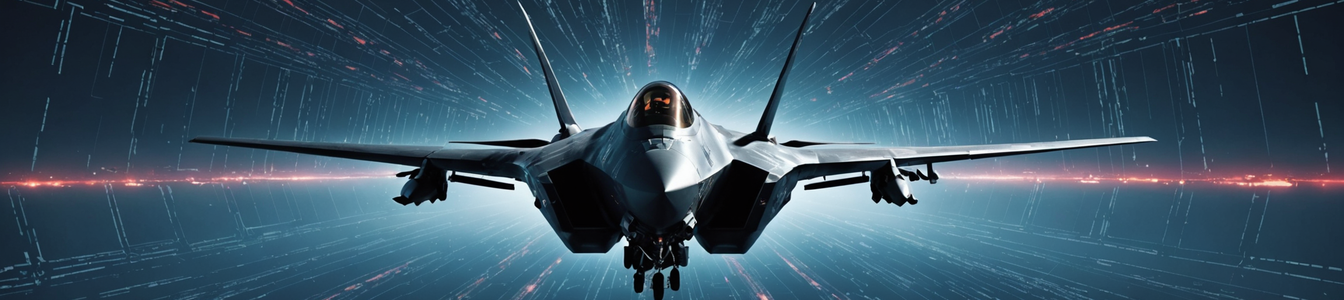
The Department of National Defence (DND) has initiated a formal criminal investigation following the unauthorized disclosure of classified documents pertaining to Canada's Future Fighter Capability Project. The leaked materials, which found their way to journalists at CBC/Radio-Canada, contained detailed performance evaluations, cost assessments, and capability analyses of two aircraft: the American-made Lockheed Martin F-35 Lightning II and the Swedish Saab Gripen E.
Analysis suggests the leak was not merely an act of whistleblowing but potentially a calculated operation to influence a multi-billion dollar procurement decision. The documents appear to have been selectively curated to present the Gripen fighter in an unfavorable light while bolstering the case for the F-35. Specific technical data regarding maintenance costs, operational limitations, and projected lifecycle expenses for the Gripen were highlighted in ways that security officials believe could distort the competitive evaluation process. This raises alarming questions about whether foreign or commercial entities are attempting to manipulate Canada's sovereign defense decisions through cyber-espionage and information warfare tactics.
The Military Officer Investigation: Insider Threat Materialized
In a separate but equally concerning development, a Canadian Armed Forces (CAF) officer has been arrested by the Royal Canadian Mounted Police (RCMP) on allegations of preparing for foreign interference. While specific details remain protected under the Security of Information Act, sources indicate the officer held a position with access to sensitive military intelligence. The individual has been released from custody under a strict set of conditions that likely include surveillance, travel restrictions, and prohibitions on accessing classified systems or communicating with foreign entities.
This arrest underscores the persistent threat of insiders—trusted personnel who may be coerced, compromised, or ideologically motivated to betray their country. The case is being treated with extreme seriousness, reflecting Canada's heightened vigilance against state-sponsored espionage following increased geopolitical tensions.
Cybersecurity Implications and Systemic Vulnerabilities
For cybersecurity professionals, these parallel incidents offer critical lessons. First, they highlight the inadequacy of traditional perimeter-based security models. In both cases, the threat likely originated from within trusted networks. The fighter jet data leak suggests possible weaknesses in document management systems, data loss prevention (DLP) controls, and user activity monitoring within defense contractor or government networks. The fact that classified materials could be extracted and delivered to media outlets indicates a failure in both digital safeguards and personnel reliability protocols.
Second, the incidents demonstrate the evolving nature of espionage. The fighter jet leak represents "strategic disclosure"—using ostensibly legitimate channels (the media) to achieve clandestine objectives (influencing procurement). This blurs the lines between journalism, hacking, and influence operations, creating complex attribution challenges.
Third, the officer's arrest points to deficiencies in continuous vetting and behavioral monitoring. Insider threat programs must evolve beyond initial security clearances to include ongoing assessment of financial pressures, foreign contacts, and anomalous network behavior.
Technical and Procedural Gaps
Security analysts examining these breaches will focus on several potential failure points:
- Overclassification and Broad Access: When too much information is classified and too many people have access, the value of classification diminishes while the attack surface expands.
- Insufficient Data Tagging and Tracking: Classified documents often lack robust digital watermarking or metadata that would enable tracing of leaks to specific users or sessions.
- Inadequate User Behavior Analytics (UBA): Government networks may not be employing advanced analytics to detect unusual download patterns, access to unrelated classified projects, or attempts to bypass security controls.
- Third-Party Risk: The fighter jet data likely flowed between government agencies, military branches, and defense contractors, creating multiple points of potential compromise in extended supply chains.
Broader Impact on Defense and Cybersecurity Posture
These breaches will inevitably lead to tighter security measures across Canadian defense institutions. Expect to see:
- Mandatory implementation of Zero Trust Architecture principles, moving away from implicit trust within network perimeters
- Enhanced encryption for data at rest and in transit, even within classified networks
- Stricter segmentation of sensitive projects and need-to-know enforcement
- Expanded use of privileged access management (PAM) solutions and session monitoring
- Increased investment in insider threat detection platforms that correlate digital and behavioral indicators
Furthermore, the incidents will likely influence Canada's approach to international defense collaboration and information sharing with Five Eyes partners. Trust in Canada's ability to protect shared intelligence could be temporarily diminished until robust corrective measures are demonstrated.
Conclusion: A Watershed Moment for Canadian Security
The concurrent fighter jet data leak and military officer investigation represent a watershed moment for Canadian national security. They reveal vulnerabilities not just in technical systems, but in personnel security, procurement integrity, and organizational culture. For the global cybersecurity community, these cases serve as a stark reminder that the most valuable targets—sensitive defense information and intelligence operations—remain under constant threat from both external actors and trusted insiders. The response to these breaches will test Canada's ability to adapt its security frameworks to an era where digital and human vulnerabilities are increasingly exploited by sophisticated adversaries.
Comentarios 0
Comentando como:
¡Únete a la conversación!
Sé el primero en compartir tu opinión sobre este artículo.
¡Inicia la conversación!
Sé el primero en comentar este artículo.