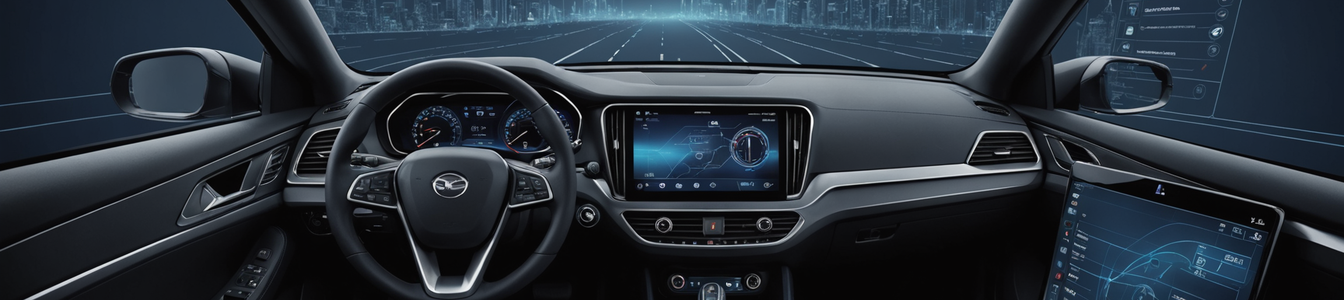
The promise of the connected car was one of seamless convenience and enhanced safety: remote starts on cold mornings, real-time diagnostics, and the ability to find your parked vehicle in a crowded lot. However, a dark and unintended application has emerged, transforming these digital conveniences into potent tools for surveillance and control in domestic abuse cases. Cybersecurity and domestic violence advocates are raising the alarm about the weaponization of vehicle telematics, creating a dangerous new frontier in coercive control.
The Attack Vector: From Convenience to Coercion
Modern vehicles are essentially data centers on wheels, equipped with dozens of sensors, constant cellular connectivity (often via embedded SIM cards), and sophisticated infotainment systems. Owners typically control these features through a manufacturer's smartphone app. In healthy relationships, these apps might be shared for practical reasons. In abusive dynamics, they become a weapon.
The methods of abuse are multifaceted. Perpetrators, who are often the primary account holder or have retained access after a relationship ends, can exploit these systems to:
- Track Movements in Real-Time: Using the vehicle's GPS, an abuser can monitor a victim's every move—to a workplace, a shelter, a friend's house, or a court appointment—instilling constant fear and undermining attempts to gain independence.
- Exert Physical Control: Remotely locking or unlocking doors can trap a victim inside the car or prevent them from entering it. Even more dangerously, features like remote engine disable can strand a victim in a vulnerable location.
- Enable Audio Surveillance: Many modern vehicles have always-on microphones for voice commands or emergency services. While access to live audio feeds is a complex claim, the pervasive fear that a car could be "listening" is itself a powerful psychological tool.
- Harass and Intimidate: Remotely activating horns, lights, or climate controls can be used to frighten the victim or signal the abuser's omnipresent control.
- Gather Evidence: Accessing trip history, speed data, and location logs can be used to falsely accuse a victim of wrongdoing or monitor their associations.
The core security failure is one of access control and threat modeling. Automotive digital systems were designed with threats like remote hackers in mind, not the far more common and proximate threat of an authorized user turning malicious. Features like "family tracking" or "digital key sharing" lack the nuanced safeguards needed to prevent abuse.
The Broader Context: The 'Internet of Dangerous Things'
This trend is not isolated but part of a larger pattern within the Internet of Things (IoT). The rush to market with smart devices—from thermostats and doorbells to appliances and, crucially, cars—has consistently prioritized features over fundamental security and privacy-by-design, especially regarding interpersonal threats. The concept of an "Internet of Dangerous Things" is moving from science fiction to documented reality, as everyday objects are leveraged in new forms of digital-domestic abuse.
The automotive industry faces unique challenges due to the long lifecycle of vehicles and the physical safety implications. A victim cannot simply "patch" or reset a car's complex, integrated system as they might a smartphone. Severing the digital tether often requires a convoluted process with the dealership or manufacturer, which may be impossible to navigate secretly during a crisis.
Implications for Cybersecurity Professionals
For the cybersecurity community, this issue presents a multi-layered challenge:
- Redefining the Threat Model: Security architectures must evolve to explicitly include "authorized user abuse" or "insider threats" at the consumer product level. This requires a paradigm shift from defending against external hackers to also mitigating harm from legitimate account holders.
- Designing for Safe Exit: IoT systems, especially those tied to critical assets like vehicles, need clear, straightforward, and rapid disassociation protocols. Victims must be able to easily and irrevocably remove an abuser's access without needing the abuser's consent or cooperation.
- Collaboration with Advocacy Groups: The infosec industry cannot solve this in a vacuum. Direct partnership with domestic violence organizations is essential to understand the real-world tactics of abusers and design effective countermeasures. This includes training for customer support teams at automotive companies.
- Regulatory and Legal Landscape: This trend will likely attract attention from regulators and lawmakers. Cybersecurity professionals can contribute to shaping sensible policies that mandate privacy and safety-by-design principles in connected vehicles.
Moving Forward: A Path to Safer Connectivity
Addressing this crisis requires concerted action. Automakers must audit their connected services with a specific focus on abuse cases. This could involve:
- Creating explicit, one-click "Remove All Users" and "Factory Reset Connectivity" options.
- Implementing robust multi-factor authentication and clear audit logs of who accessed which features and when.
- Developing partnerships with national domestic violence hotlines to create streamlined, sensitive processes for victims seeking to secure their vehicles.
- Conducting ethical penetration testing with abuse scenarios in mind.
The weaponization of connected cars is a stark reminder that technology is not neutral. In the race to build the smart car of the future, the industry inadvertently built a tool for an ancient form of cruelty. Closing this security gap is not just a technical challenge—it is a moral imperative to ensure that the connected world does not become an enabler of terror in the most personal of spaces.
Comentarios 0
Comentando como:
¡Únete a la conversación!
Sé el primero en compartir tu opinión sobre este artículo.
¡Inicia la conversación!
Sé el primero en comentar este artículo.