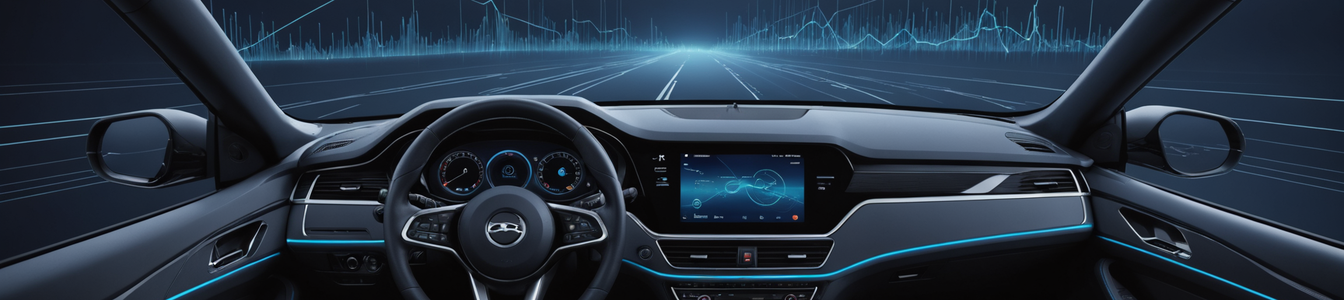
The integration of advanced telematics, autonomous driving systems, and constant cellular connectivity has transformed modern vehicles from mechanical assets into complex, rolling data centers. This digital evolution is now catalyzing a parallel revolution in the automotive insurance sector, creating a new frontier of cyber liability that demands specialized underwriting, risk assessment, and security governance. The emergence of products like HSB's cyber insurance for connected commercial vehicles marks a pivotal moment, signaling that the financial industry recognizes connected vehicle cyber risk as a distinct and insurable class.
From Mechanical Failure to Digital Breach: Redefining Automotive Risk
Traditional auto insurance models were built around actuarial tables for collisions, theft, and mechanical failure. The connected vehicle era introduces a fundamentally different risk profile: ransomware attacks that lock critical safety systems, data breaches exposing sensitive geolocation and driver behavior information, and malicious remote control of vehicle functions. For commercial fleets—comprising delivery trucks, logistics vehicles, and ride-sharing services—a cyber incident can lead to massive operational disruption, regulatory fines under data protection laws like GDPR or CCPA, and severe reputational damage. HSB's move to offer tailored coverage for these entities indicates a maturing market that can now quantify, at least partially, the financial impact of such digital threats.
The V2G Expansion and Its Insurance Implications
The risk landscape grows even more intricate with the rise of Vehicle-to-Grid (V2G) and smart charging ecosystems. Programs like WattsApp, which incentivize electric vehicle (EV) owners to sell excess battery power back to the grid during peak demand, create novel attack surfaces. A compromised EV or charging station could be weaponized to destabilize local energy grids, commit financial fraud through manipulated energy credits, or serve as an entry point to home networks. This blurs the lines between automotive, critical infrastructure, and personal cyber insurance. Insurers must now consider liabilities stemming not just from the vehicle itself, but from its bidirectional interactions with home energy management systems and public utilities. Cybersecurity protocols for these systems will inevitably become a prerequisite for coverage, pushing manufacturers and software developers to adopt stricter security-by-design principles.
Trust as a Currency: The Role of Service Excellence
In this nascent market, trust is paramount. Awards like Feefo's Platinum Trusted Service Award, earned by Assurant in New Zealand, highlight that customer confidence in the insurer's responsiveness and reliability is a critical competitive differentiator. For a policyholder facing a live cyber-attack on their fleet, the quality of the incident response support provided by the insurer—including access to digital forensics, legal counsel, and public relations management—is as valuable as the financial payout. This shifts the insurance value proposition from mere risk transfer to active risk partnership. Cybersecurity vendors and managed security service providers (MSSPs) may find new partnership opportunities with insurers to deliver these value-added services.
Strategic Imperatives for Cybersecurity Professionals
For security leaders in automotive OEMs, tier-1 suppliers, and fleet operations, the insurance shift has direct consequences:
- Policy-Driven Security Standards: Insurance applications and renewals will increasingly require evidence of specific security controls. This may include adherence to frameworks like ISO/SAE 21434 (road vehicles cybersecurity engineering), robust software bill of materials (SBOM) management, certified secure over-the-air (OTA) update mechanisms, and proven incident response playbooks.
- Supply Chain Scrutiny: Insurers will scrutinize the entire digital supply chain. A vulnerability in a third-party infotainment system or telematics control unit (TCU) could affect premiums or eligibility. This creates leverage for internal security teams to demand higher standards from vendors.
- Data Governance and Privacy: Given the granular data collected by connected vehicles—from biometrics to driving patterns—policies will mandate strict data encryption, access controls, and data lifecycle management to limit liability from privacy breaches.
- Quantifying Cyber Risk: The actuarial process will force the industry to develop better metrics for cybersecurity posture. This could lead to wider adoption of security ratings and continuous monitoring tools that provide insurers with real-time risk assessments.
The Road Ahead: A More Secure Ecosystem
The development of a robust cyber insurance market for connected transportation is ultimately a positive force for security. It introduces a powerful economic incentive—premium cost—to invest in cybersecurity measures that might otherwise be deferred. It also promises to create a standardized baseline of security expectations across the industry. However, challenges remain, including the potential for coverage gaps, disputes over attribution of a cyber incident, and keeping pace with rapidly evolving attack techniques.
The convergence of insurance and cybersecurity in the automotive realm is no longer theoretical. It is an operational reality that will shape product development, corporate risk management, and regulatory discussions for years to come. Security professionals must engage proactively with this trend, understanding policy requirements and collaborating with risk management and finance departments to ensure their organizations are not only protected technically but also covered financially in the event of a digital catastrophe on wheels.
Comentarios 0
Comentando como:
¡Únete a la conversación!
Sé el primero en compartir tu opinión sobre este artículo.
¡Inicia la conversación!
Sé el primero en comentar este artículo.