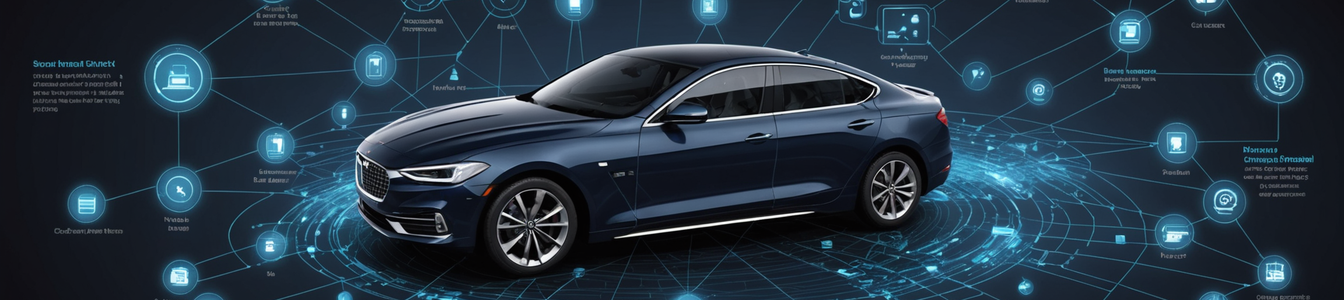
The modern automobile has undergone a radical transformation, evolving from a simple mode of transportation into a sophisticated data collection platform on wheels. Today's connected vehicles are equipped with hundreds of sensors, cameras, and communication systems that continuously monitor and record virtually every aspect of the driving experience. This technological revolution brings unprecedented convenience and safety features, but it also creates significant privacy and security challenges that the cybersecurity community must address.
Connected vehicles collect data through multiple channels. Telematics systems track location, speed, acceleration, and braking patterns. Infotainment systems monitor entertainment preferences, contact lists, and voice commands. Advanced driver assistance systems (ADAS) use cameras and radar to record the vehicle's surroundings. Even basic operations like door openings, seat adjustments, and climate control settings are logged and analyzed.
The scope of data collection is staggering. Modern vehicles can capture:
• Real-time location tracking and historical route patterns
• Driving behaviors including speed, acceleration, and braking habits
• Biometric data through driver monitoring systems
• Voice recordings and communication patterns
• Entertainment preferences and app usage
• Vehicle performance metrics and maintenance needs
• Surrounding environment through external cameras
This data is typically transmitted to manufacturer servers via cellular connections, where it's processed, analyzed, and often shared with third parties. The business model has shifted from simply selling vehicles to monetizing the data they generate throughout their lifecycle.
For cybersecurity professionals, this expanded data collection represents a massive increase in attack surface. Each data stream creates potential vulnerabilities that malicious actors could exploit. The interconnected nature of vehicle systems means that a breach in one component could potentially compromise multiple systems, including safety-critical functions.
Privacy concerns are equally significant. Most drivers are unaware of the extent of data collection occurring in their vehicles. Consent mechanisms are often buried in lengthy terms of service agreements that few consumers read thoroughly. The lack of transparency about data usage, retention policies, and sharing practices creates regulatory compliance challenges under frameworks like GDPR and CCPA.
The automotive industry's rapid adoption of connectivity has outpaced security considerations. Many vehicle systems were designed with functionality as the primary concern, leaving security as an afterthought. This approach creates vulnerabilities that could be exploited for everything from corporate espionage to stalking and identity theft.
Security professionals must address several critical areas:
Data encryption both at rest and in transit requires robust implementation. Vehicle-to-everything (V2X) communication systems need secure authentication protocols. Over-the-air update mechanisms must be protected against manipulation. User privacy controls should be intuitive and comprehensive.
The regulatory landscape is beginning to catch up with these challenges. New automotive privacy and security standards are emerging, but implementation varies widely across manufacturers and regions. Cybersecurity teams must work closely with legal and compliance departments to navigate this complex environment.
Looking forward, the convergence of automotive technology with smart home systems and urban infrastructure creates both opportunities and risks. As vehicles become integrated into broader IoT ecosystems, security considerations must expand beyond individual vehicles to encompass entire connected environments.
Cybersecurity professionals have a crucial role to play in shaping the future of connected mobility. By advocating for privacy-by-design principles, conducting thorough security assessments, and developing robust incident response plans, we can help ensure that the benefits of connected vehicles don't come at the cost of consumer privacy and security.
Comentarios 0
Comentando como:
¡Únete a la conversación!
Sé el primero en compartir tu opinión sobre este artículo.
¡Inicia la conversación!
Sé el primero en comentar este artículo.