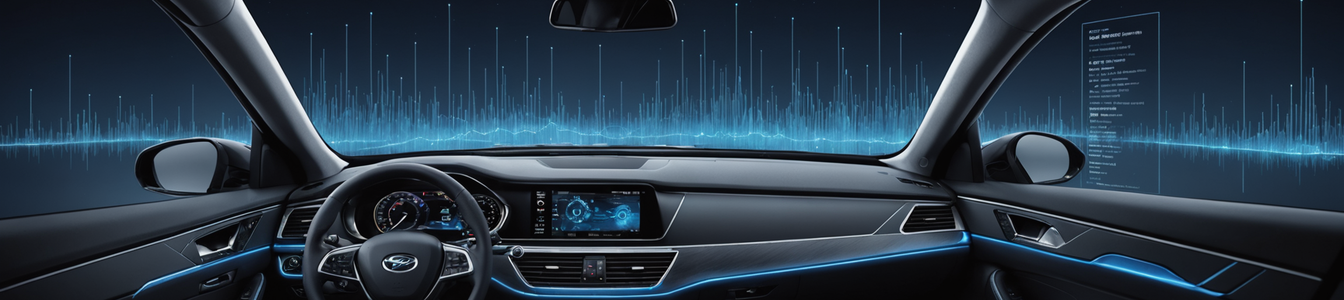
The modern automobile has evolved far beyond a mere mode of transportation. Today's connected vehicles are rolling data centers, with their infotainment systems serving as the primary interface for a constant, two-way flow of personal information. Features designed for convenience and personalization, from integrated navigation and media streaming to new services like fuel price comparison tools, come with a significant, often overlooked, privacy and security cost. For cybersecurity professionals, this represents one of the most pervasive and challenging frontiers in IoT security.
At the heart of this issue is the infotainment unit's deep integration with a driver's digital life. When a smartphone connects via Apple CarPlay, Android Auto, or a manufacturer's proprietary system, it initiates a comprehensive data exchange. The system can access and often sync contact lists, call logs, text message metadata (and sometimes content), calendar entries, and media libraries. Navigation systems log detailed trip history, including destinations, routes taken, frequent stops, and time-of-day patterns. Emerging voice assistants process and potentially store voice commands, which may contain sensitive information.
The introduction of connected services, such as fuel finder applications that locate the cheapest nearby gas stations, exemplifies the double-edged sword. While offering tangible consumer benefits, these services require continuous access to precise GPS location data. This creates a granular, timestamped record of a vehicle's movements, which can be combined with other data points to build an intimate profile of the driver's habits, routines, and even personal relationships.
From a security architecture perspective, these systems aggregate vast amounts of sensitive data into a single, high-value target. An infotainment system is a complex piece of software running on often outdated or unpatched operating systems, with multiple connectivity vectors: Bluetooth, Wi-Fi, cellular (e.g., 4G/5G modems), and USB. Each connection represents a potential entry point for exploitation. A successful breach could provide an attacker not only with the harvested personal data but also with a foothold in the vehicle's Controller Area Network (CAN bus), raising the specter of physical safety risks.
The legal and ethical landscape is murky. Data ownership clauses are typically buried in lengthy End User License Agreements (EULAs) that few consumers read. It is often unclear whether data belongs to the driver, the vehicle manufacturer, the infotainment software provider, or third-party service developers. Furthermore, data retention and sharing policies are frequently opaque. Information collected for one purpose, such as traffic optimization, may be anonymized, aggregated, and sold for advertising or other commercial uses.
For the cybersecurity community, the challenges are multifaceted. First is the issue of vulnerability management. The automotive supply chain is long, with software components sourced from numerous vendors, making consistent patching and security updates logistically difficult. The lifespan of a car (10-15 years) far exceeds the standard support cycle for consumer electronics, leaving older vehicles perpetually vulnerable. Second is the need for robust in-vehicle network segmentation to ensure a compromise of the infotainment 'infotainment domain' cannot lead to a breach of the safety-critical 'vehicle control domain.'
Moving forward, professionals must advocate for and help implement 'security by design' principles in automotive development. This includes data minimization (collecting only what is strictly necessary), strong encryption for data at rest and in transit, clear user consent mechanisms that go beyond a single EULA click, and transparent data lifecycle policies. As regulations like the EU's Cyber Resilience Act begin to touch connected products, the industry will need to adapt.
The connected car is here to stay, and its benefits are real. However, the cybersecurity field must lead the charge in ensuring that the convenience of a smart infotainment system does not come at the unacceptable price of personal privacy and vehicle security. The silent data harvest must be brought into the light, scrutinized, and securely managed.
Comentarios 0
Comentando como:
¡Únete a la conversación!
Sé el primero en compartir tu opinión sobre este artículo.
¡Inicia la conversación!
Sé el primero en comentar este artículo.