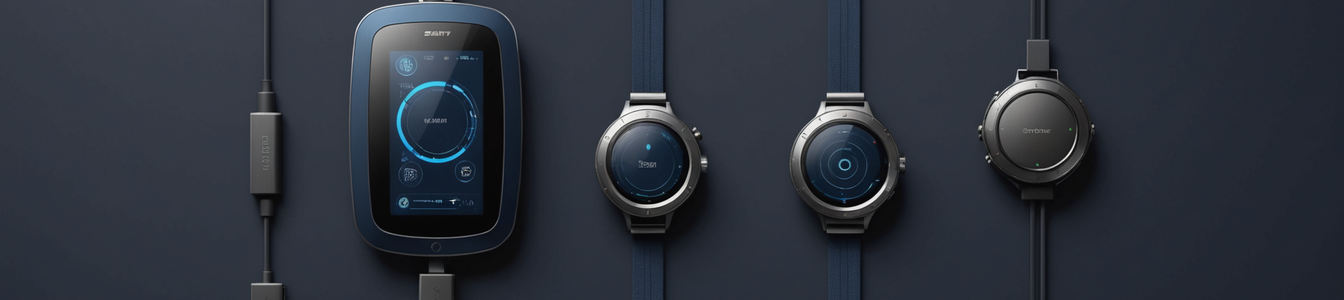
The Consumer Electronics Show (CES) 2026 has become the epicenter of a hardware revolution with profound security implications. After a troubled initial launch cycle marked by privacy scandals and technical limitations, AI-powered wearable devices—specifically smart pendants, brooches, and discreet audio/video recorders—have staged a dramatic comeback. This renaissance, driven by advances in low-power AI chipsets and on-device large language models (LLMs), is creating a new generation of always-on, ambient computing devices. For cybersecurity professionals, this trend represents not just a technological shift, but the emergence of a pervasive, intimate, and highly vulnerable attack surface.
From Novelty to Mainstream: The Hardware Evolution
The early 2020s saw the first wave of AI wearables, led by devices like the Humane AI Pin. These products faced swift criticism for overheating, short battery life, and, most critically, vague data handling policies. The market cooled significantly. At CES 2026, the narrative has flipped. Major chip manufacturers are now showcasing System-on-Chip (SoC) designs capable of running billion-parameter LLMs locally, eliminating the constant need for cloud connectivity that defined the first generation. This technical leap is the catalyst for the resurgence. Devices demonstrated at the show feature "ambient sensing"—continuously analyzing audio and visual fields to proactively offer assistance. A user whispering a reminder to themselves can trigger the device to log it; glancing at a restaurant menu might prompt a dietary summary.
The Cybersecurity Blind Spot: Always-On Means Always Vulnerable
The core value proposition of these wearables—constant, contextual awareness—is also their fundamental security flaw. They are designed to be inconspicuous and always collecting data. Unlike a smartphone, which has clear active/inactive states, these pendants and brooches operate in a perpetual state of potential capture. Security researchers at the show identified multiple concerning patterns:
- Data Exfiltration Channels: While on-device processing is touted, many functions still require cloud synchronization for full utility. The encrypted tunnels for this data are often lightweight, designed for battery preservation, not robust security. They present prime targets for man-in-the-middle attacks, especially on public Wi-Fi.
- Physical Security Neglect: As fashion-forward items, these devices are easily lost, stolen, or borrowed. Most lack strong biometric authentication for data access once off the body. A lost pendant could grant an attacker a trove of sensitive conversations, location history, and visual data.
- Supply Chain & Firmware Risks: The rush to market has led to partnerships with cost-focused hardware OEMs. Inconsistent secure boot implementations and infrequent firmware update cycles are common. A compromised device could become a mobile bug, streaming live audio from corporate boardrooms or R&D labs directly to a threat actor.
- The "Shadow IoT" Problem for Enterprises: Employees bringing these personal AI assistants into secure work environments create an unmanaged network of sensors. They can inadvertently record confidential meetings, capture sensitive documents in their field of view, and connect to corporate networks, bypassing traditional endpoint security controls.
Corporate Espionage Reimagined
The threat extends far beyond individual privacy. The always-on, voice-activated nature of these devices makes them ideal tools for industrial espionage. A competitor could potentially exploit a vulnerability to remotely activate the microphone on an executive's or engineer's wearable during offsite meetings, product demos, or casual conversations. The harvested data—discussions about mergers, product roadmaps, or technical challenges—would be unstructured and transmitted in streams that are difficult for traditional Data Loss Prevention (DLP) tools to catch, especially if encrypted at the device level before exfiltration.
The Regulatory and Standards Vacuum
A critical issue highlighted by the CES displays is the lack of any security certification standard for ambient AI wearables. They fall into a grey area between consumer electronics, medical devices (for health-tracking features), and telecommunications equipment. No framework exists to mandate encryption standards, data retention policies, or vulnerability disclosure processes specific to their always-on functionality. The industry is self-regulating in a race for market share, a scenario that has historically led to catastrophic security failures.
Mitigation and the Path Forward
The cybersecurity community must act proactively. Recommendations emerging from analyses of the CES 2026 trend include:
- Developing New Security Models: Moving beyond the smartphone paradigm to create frameworks for "ambient device security" that assume perpetual data collection.
- Enterprise Policy Development: Companies need to urgently create and enforce Bring-Your-Own-AI (BYOAI) policies that define acceptable use, mandate security features for authorized devices, and establish network segmentation rules.
- Advocating for Hardware-Based Security: Pressing manufacturers to integrate dedicated security enclaves (like TPMs) from the outset, enabling secure local processing and zero-trust data transmission.
- Focusing on Detection: Since prevention may be impossible, developing network monitoring solutions that can detect the unique data signature and communication patterns of these wearables on corporate infrastructure is crucial.
The AI hardware renaissance is undeniable. The convenience offered by a discreet, always-available AI assistant is compelling. However, for the cybersecurity industry, CES 2026 serves as a stark warning. Without immediate collaboration between security researchers, hardware makers, and regulators, this new wave of wearables will create a world of pervasive surveillance—not by dystopian governments, but by the very devices we willingly wear, opening vulnerabilities that extend from the individual to the heart of the global enterprise.
Comentarios 0
Comentando como:
¡Únete a la conversación!
Sé el primero en compartir tu opinión sobre este artículo.
¡Inicia la conversación!
Sé el primero en comentar este artículo.