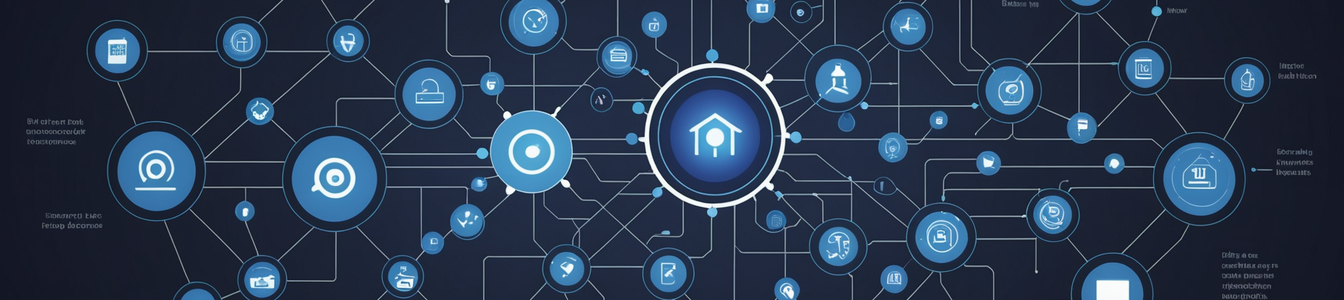
The Consumer Electronics Show 2026 has traditionally been a showcase for incremental upgrades to smartphones and televisions. This year, however, marks a pivotal strategic shift. The Internet of Things (IoT) is breaking out of its silos, evolving from discrete smart devices into expansive, interconnected ecosystems that blend the sensory with the logistical, the personal with the enterprise. This convergence, while driving innovation, is simultaneously sketching a vast and unfamiliar attack surface for cybersecurity teams worldwide. The announcements from KDDI and SCENTA serve as prime case studies of this new, more complex IoT reality.
From Connectivity to Ecosystem: The KDDI Spherience Play
Japanese telecom giant KDDI's announcement of 'Spherience' as its global IoT Center of Excellence is more than a corporate rebranding. It signals a fundamental change in how major infrastructure players view the IoT market. Spherience is positioned not merely as a connectivity enabler but as the architect of integrated, cross-industry platforms. By establishing a dedicated Center of Excellence, KDDI aims to consolidate IoT development for sectors like smart cities, industrial automation, and enterprise logistics into a unified framework.
The cybersecurity implications are profound. Historically, enterprise IoT security has focused on securing individual devices or vertical-specific networks (e.g., a factory's sensor grid). Spherience-like platforms propose horizontal integration, connecting supply chain sensors, fleet management systems, and environmental monitors across corporate boundaries. This creates a sprawling, multi-tenant architecture where a vulnerability in one module—say, a third-party logistics application—could potentially compromise the data integrity or operational continuity of unrelated partners within the ecosystem. The threat model expands from device-level attacks to systemic platform risk, including API vulnerabilities, insecure data aggregation points, and complex supply chain attacks that leverage trusted interconnections.
The Intimate IoT: SCENTA's Emotion-Driven Olfactory Computing
On the opposite end of the spectrum, SCENTA's A-T302 'Day & Night Dual Duat' aroma diffuser represents the deepening personalization and sensory integration of consumer IoT. This isn't a simple timer-based diffuser; it's a device that uses 'emotion-driven design,' likely interfacing with other smart home systems or user inputs to alter home fragrances based on time, activity, or perceived mood. It embodies the move towards ambient computing, where technology blends seamlessly into the environment to influence human sensory experience.
For security professionals, this intimacy is the core concern. An olfactory device interacts with the most private of spaces—the home—and collects or infers data about occupant behavior, routines, and potentially even emotional states. What biometric or behavioral data is being gathered to drive this 'emotion-driven' experience? How is this sensitive data transmitted, stored, and protected? The compromise of such a device moves beyond nuisance—like a smart light bulb flashing—to genuine psychological intrusion and privacy violation. Furthermore, its integration into broader smart home ecosystems (via Alexa, Google Home, or proprietary hubs) creates a new pivot point for attackers. A poorly secured aroma diffuser could become the initial foothold to jump to more critical systems like security cameras or network routers.
Convergence and the New Security Imperative
The true security challenge of CES 2026 lies at the intersection of these two trends. Imagine a future where Spherience-managed logistics sensors track a shipment of essential oils for SCENTA diffusers. The enterprise IoT platform and the consumer sensory device are now part of the same extended digital supply chain. An attack on the logistics data could disrupt physical supply, while a vulnerability in the consumer device could provide a path back into enterprise systems, especially if they share common cloud services or management interfaces.
This convergence demands a new security paradigm:
- Holistic Ecosystem Mapping: Security can no longer be assessed device-by-device. Organizations must map data flows, trust relationships, and API connections across the entire ecosystem, from the enterprise cloud to the living-room diffuser.
- Privacy-by-Design for Sensory Data: Regulators and developers must establish clear frameworks for biometric and behavioral data collected by sensory IoT devices. Encryption and local processing must be prioritized over cloud transmission of raw sensory data.
- Zero-Trust for IoT Platforms: The integrated platforms championed by telecoms like KDDI must be built on zero-trust architecture principles. Strict identity verification, micro-segmentation, and continuous monitoring are essential for multi-tenant, multi-vendor environments.
- Updated Threat Modeling: Red teams and security architects need to model threats that cross traditional boundaries, such as attacks that move from a consumer app to an enterprise resource planning (ERP) system via a shared IoT platform.
CES 2026 has made it clear: the IoT is growing up and out. It is becoming both more critical to enterprise infrastructure and more intimate with human experience. This dual expansion creates a security mandate that is equally expansive. The industry's response in the coming year—through standards development, architectural shifts, and proactive research—will determine whether these new ecosystems become engines of innovation or the next frontier for systemic cyber risk.
Comentarios 0
Comentando como:
¡Únete a la conversación!
Sé el primero en compartir tu opinión sobre este artículo.
¡Inicia la conversación!
Sé el primero en comentar este artículo.