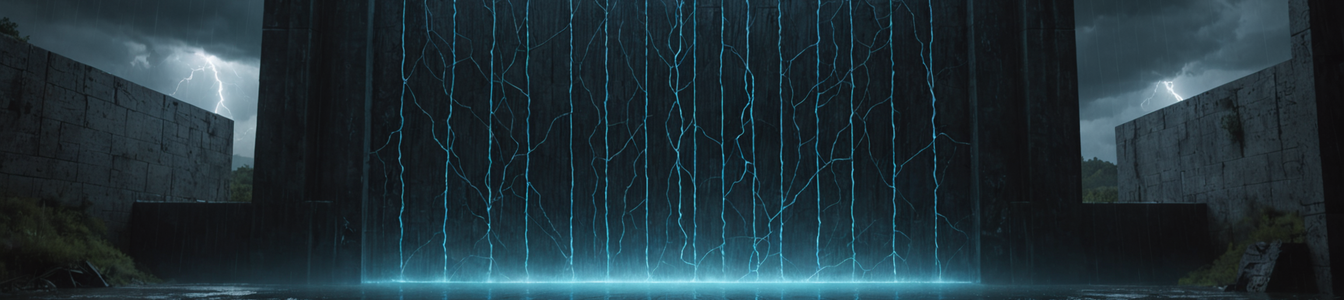
The convergence of climate-induced physical stress and cyber vulnerability in critical infrastructure is emerging as one of the most significant systemic risks of the decade. Recent events, from paralyzing winter storms that cripple power grids to deadly heatwaves that push cooling systems beyond capacity, are no longer just humanitarian or logistical crises. They are complex cyber-physical threat multipliers, exposing legacy control systems, creating emergency operational conditions ripe for exploitation, and revealing societal fault lines that adversaries could target for maximum disruption.
The Physical Precondition: Grids Under Extreme Duress
Extreme cold events, like the recent severe winter storm that led to widespread power failures and tragic loss of life, demonstrate the initial physical trigger. When generation plants freeze, transmission lines snap under ice load, and demand for heating spikes simultaneously, the electrical grid operates at its physical limits. This forces operators to implement rolling blackouts, activate backup generators, and, in worst-case scenarios, initiate manual, offline control procedures. Each of these emergency responses represents a deviation from normal, digitally managed operations. Manual overrides often bypass automated security protocols. Backup systems, particularly in older infrastructure, may lack modern security patches or run on isolated networks suddenly exposed during crisis bridging. The physical failure creates the chaos and distraction that is a perfect operational backdrop for a cyber intrusion.
The Cyber-Physical Cascade: From Blackout to Breach
This is where the threat evolves from physical to cyber-physical. A compromised Supervisory Control and Data Acquisition (SCADA) system or Industrial Control System (ICS) might not cause the initial blackout, but it can catastrophically prolong it or prevent recovery. Imagine a scenario where, during a grid emergency, malicious actors deploy ransomware specifically tailored for grid restoration software. Or, they execute a low-and-slow attack that subtly manipulates sensor data on transformer load or line temperature, causing operators to make disastrous decisions during the fragile recovery phase. The loss of power also cripples the digital infrastructure needed for coordination—cellular networks, internet access, and even some emergency radio systems rely on grid power. This communication blackout creates information asymmetry, where defenders are blind, and attackers can move laterally across darkened networks.
The Human and Societal Dimension: A Study in Vulnerability
Research, such as the recent study from the University of Southampton, adds a critical layer to this risk model. The study revealed a 'hidden heatwave divide,' showing how extreme heat disproportionately impacts vulnerable communities due to factors like urban heat island effects, housing quality, and access to cooling. From a cybersecurity and resilience perspective, this divide is a strategic map for threat actors. Adversaries, whether state-sponsored or criminal, seeking to maximize societal panic and overload response capabilities, would logically target infrastructure serving these already-stressed communities. An attack that knocks out cooling centers or cripples the power in specific vulnerable neighborhoods during a heatwave would have a dramatically higher human cost and societal impact. This represents a shift from economic or disruptive motives to potentially catastrophic human-impact motives enabled by climate vulnerability.
The Evolving Role of Cybersecurity Professionals
For cybersecurity teams defending critical infrastructure, this demands a fundamental evolution in practice:
- Integrated Risk Modeling: Threat assessments must fuse climate data (e.g., 100-year storm projections, heatwave frequency) with cyber threat intelligence. Red team exercises should simulate combined cyber-physical-climate scenarios, such as a coordinated ransomware attack on a utility during a Category 5 hurricane landfall.
- Resilience-by-Design: Security architecture must prioritize maintaining core safety and restart functions even during complete grid isolation and communication loss. This involves designing segmented 'lifeboat' networks for critical control functions, securing backup power systems (like generators and fuel supply chains), and implementing analog or cryptographic fallback communication channels.
- Supply Chain Under Stress: The articles' reference to advising the public on non-electric lighting hints at societal reliance on fragile supply chains for emergency gear. Cybersecurity must extend to the logistics and inventory systems of critical spare parts, transformer manufacturers, and fuel delivery networks, all of which become high-value targets during a protracted crisis.
- Public-Private-Community Coordination: Defense cannot be siloed within the utility company. Protocols for secure, authenticated communication between utility operators, first responders, government agencies, and even community leaders must be established and tested under simulated crisis conditions where standard channels are down.
Conclusion: From Perimeter Defense to Systemic Resilience
The era of defending a static digital perimeter is over. The new paradigm is defending the dynamic, interdependent functionality of a system under intense physical and environmental stress. Climate change is not a future threat; it is a present-day risk amplifier that is actively reshaping the attack surface of our most vital infrastructure. Cybersecurity is no longer just about protecting data; it is about ensuring the continuity of society's foundational systems—power, water, and communications—when they are simultaneously pushed to their physical limits and probed for digital weakness. The convergence of climate and cyber failure is not a hypothetical 'black swan.' It is a clear and present danger, and building resilience against it is the defining challenge for the next generation of infrastructure defenders.
Comentarios 0
Comentando como:
¡Únete a la conversación!
Sé el primero en compartir tu opinión sobre este artículo.
¡Inicia la conversación!
Sé el primero en comentar este artículo.