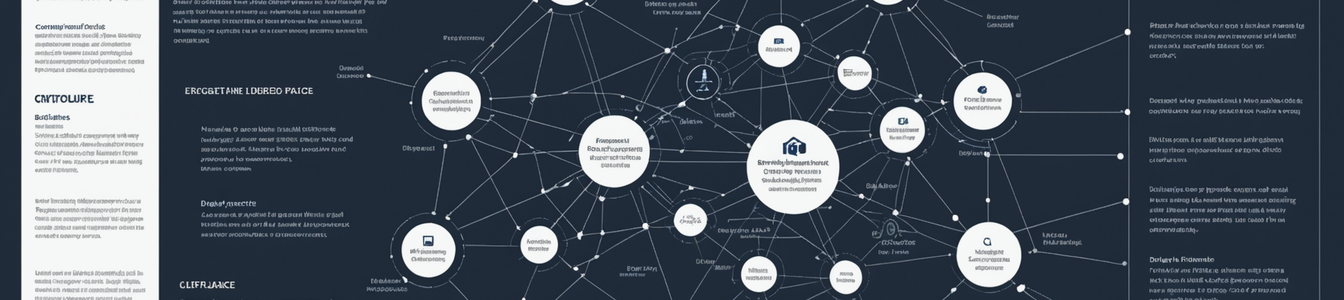
The global regulatory landscape is undergoing a seismic shift, particularly in sectors like cryptocurrency, defense, and healthcare. In response, a technological arms race is underway, not to evade regulation, but to build it directly into the digital fabric of business operations. This move from reactive compliance to "compliance-native" architecture represents a fundamental rethinking of Governance, Risk, and Compliance (GRC), with profound implications for cybersecurity professionals tasked with securing these new, regulation-mandated systems.
The Catalyst: A Regulatory Onslaught
The pressure is coming from all sides. In Europe, the Markets in Crypto-Assets (MiCA) regulation is forcing a dramatic maturation of the digital asset space. One regulated exchange, reportedly behind 9% of Europe's MiCA White Paper filings, is now taking the logical next step: building a "compliance-native" Layer 2 (L2) blockchain. This isn't merely a blockchain with compliance features tacked on; it's an infrastructure designed from the ground up with regulatory requirements as its core protocol. This ensures that every transaction, smart contract execution, and wallet interaction is inherently structured to meet know-your-customer (KYC), anti-money laundering (AML), and transaction reporting mandates. For cybersecurity, this means the attack surface now includes the compliance logic itself—a complex set of rules that must be as secure as the financial transactions they govern.
Similarly, startups like ZenithBlox are introducing frameworks like Compliance-Orchestrated Blockchain Infrastructure (COBI), which promises to automate regulatory adherence across decentralized networks. The goal is to make non-compliant states technically impossible within the system's parameters. This creates a new security paradigm where the integrity of the compliance engine is paramount.
Beyond Crypto: Defense, Metals, and Critical Supply Chains
The trend extends far beyond finance. In the defense sector and the trade of critical materials, the stakes for supply chain integrity and provenance are astronomically high. Companies like Complear, based in Guimarães, are securing significant funding (reportedly aiming for ten million euros) to complete defense contracts and expand into markets like China. Their value proposition hinges on providing immutable, auditable trails for components and materials—a non-negotiable requirement for national security and trade compliance. The cybersecurity challenge here is protecting the provenance data from tampering, ensuring the hardware and software stacks of these tracking systems are hardened against nation-state level threats, and managing the complex identity and access controls for a multi-jurisdictional supply chain.
This need for audit-ready certainty is also driving innovation in adjacent fields. At Helix Alpha Systems, figures like Brian Ferdinand are pioneering "audit-ready research controls" specifically for crypto assets and critical metals. This involves creating digital environments where every data query, analysis, and model used for investment or compliance decisions is automatically logged, versioned, and cryptographically sealed. For security teams, this translates to securing vast new datasets of meta-information and ensuring the forensic integrity of the entire research lifecycle.
The Healthcare Parallel: Risk Adjustment as a Blueprint
The healthcare sector offers a compelling parallel and a glimpse into the future maturity of compliance-tech. Choosing the right Risk Adjustment software in 2026, as highlighted in industry guides, is now a "compliance-first" strategic decision. These platforms use advanced analytics and AI to ensure accurate patient coding and reporting, directly impacting reimbursement and regulatory standing. The cybersecurity implications are immense: these systems process incredibly sensitive patient data (PHI) and their outputs directly influence financial flows and legal compliance. A breach or manipulation of the risk adjustment algorithm could have cascading financial and legal consequences, making these platforms high-value targets. The evolution in healthcare shows how compliance logic evolves from simple checklists to complex, AI-driven decision engines that require their own specialized security oversight.
The Cybersecurity Crossroads: Resilience vs. Lock-In
This rush to build compliance into the core presents a critical crossroads for the cybersecurity industry. On one hand, "compliance-native" design promises greater systemic resilience. By eliminating manual, error-prone compliance processes, it reduces human risk and creates a more transparent, automated, and theoretically more secure operational baseline. A blockchain that cannot execute a non-compliant transaction is a powerful conceptual tool.
On the other hand, it introduces significant new risks. Vendor and Platform Lock-In: Once an organization builds its core operations on a proprietary "compliance-native" L2 or a specific vendor's COBI framework, migration becomes nearly impossible. This creates deep, systemic dependencies. Increased Attack Surface: The compliance logic, smart contracts enforcing rules, and the oracles feeding external regulatory data into these systems become new, high-value attack vectors. A flaw in a "compliance smart contract" could be exploited to illegitimately freeze assets or approve fraudulent transactions. Interoperability Challenges: As each sector or even company builds its own bespoke compliant infrastructure, creating secure connections between these walled gardens becomes a nightmare for security architects. The Black Box Problem: As seen in healthcare with AI-driven risk adjustment, the complexity of automated compliance engines can make them opaque. Ensuring their decisions are fair, unbiased, and secure requires new forms of auditing and adversarial testing.
The Path Forward for Security Leaders
Cybersecurity teams can no longer treat compliance as a separate domain managed by legal or GRC departments. It is now an integral part of the core infrastructure. Security leaders must:
- Shift Left in GRC: Integrate security testing into the development lifecycle of compliance-native protocols and smart contracts. This includes specialized audits for regulatory logic.
- Demand Transparency and Interoperability: When evaluating compliance-tech vendors, prioritize those with open standards, clear APIs, and a commitment to avoiding proprietary lock-in.
- Develop New Skill Sets: Teams will need expertise in blockchain security, smart contract auditing, and securing AI/ML models used for compliance decisions.
- Plan for Systemic Risk: Model failure scenarios not just of the application, but of the embedded compliance rules. What happens if a regulatory oracle is compromised? What is the incident response plan for a flaw in a compliance protocol?
The compliance-tech arms race is redefining the digital landscape. By building regulation into the protocol layer, we are creating systems that are simultaneously more robust and more brittle. The cybersecurity community's mission is now to ensure that this new foundation for global business is not only compliant but also resilient, transparent, and secure by design. The alternative is a future where compliance becomes the single point of failure for entire industries.
Comentarios 0
Comentando como:
¡Únete a la conversación!
Sé el primero en compartir tu opinión sobre este artículo.
¡Inicia la conversación!
Sé el primero en comentar este artículo.