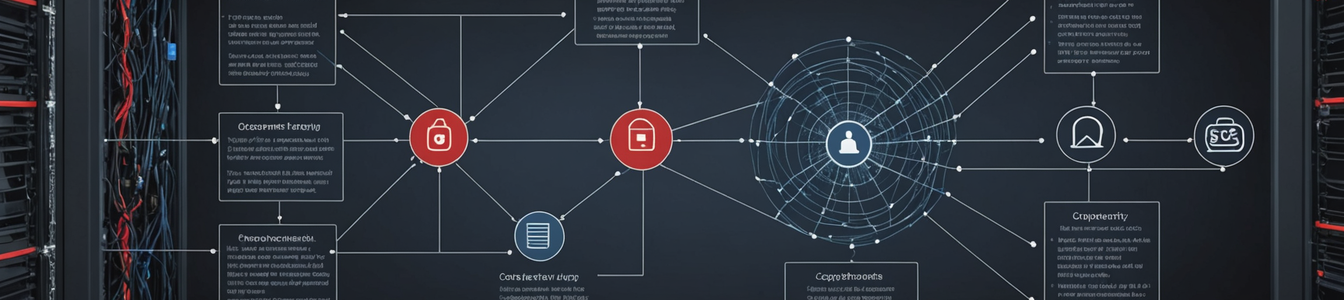
In boardrooms across global enterprises, a silent crisis is unfolding—one where cybersecurity is becoming collateral damage in the war against regulatory non-compliance. The simultaneous proliferation of new labor regulations, financial reporting requirements, and aggressive enforcement priorities is creating what industry analysts now call "the compliance trap": a scenario where organizations must divert critical security resources to meet regulatory checkboxes, leaving their actual digital defenses weakened.
The Rising Tide of Regulatory Pressure
Recent developments illustrate the scale of this challenge. In India, new labor codes are forcing staffing firms and technology companies to significantly increase compliance spending. According to industry reports, these regulations will raise hiring costs by 15-25% for affected organizations, with much of this increase going toward compliance documentation, reporting systems, and audit processes rather than operational improvements.
Simultaneously, corporate actions like HCL Technologies' dividend date adjustments and GNFC's accelerated financial reporting schedules demonstrate how financial regulations are creating tighter timelines and more complex reporting requirements. Each new requirement demands IT system modifications, data collection enhancements, and validation processes—all competing for the same budget and personnel that would otherwise strengthen security infrastructure.
In the United States, the Department of Justice's evolving approach to corporate compliance, particularly in politically sensitive cases, has created additional uncertainty. Organizations now face the prospect of compliance requirements being used as political or enforcement tools, forcing them to adopt overly conservative and resource-intensive approaches to regulatory adherence.
The Cybersecurity Trade-Off
The fundamental problem lies in resource allocation. When compliance costs spiral, something must give. In many organizations, that "something" is proactive cybersecurity investment. CISOs report being forced to choose between:
- Implementing multifactor authentication across all systems
- Building comprehensive compliance reporting dashboards for labor regulations
- Enhancing endpoint detection and response capabilities
- Developing systems to track and report on thousands of new data points required by financial regulators
Too often, the compliance requirements win because they come with immediate legal consequences, while cybersecurity investments offer protection against potential future threats. This creates a dangerous asymmetry where organizations become increasingly compliant on paper while growing more vulnerable to actual attacks.
Technical Debt and Systemic Risk
The compliance-driven approach to technology investment creates what security architects call "regulatory technical debt." Instead of building integrated, secure systems, organizations implement point solutions for specific regulations. This results in:
- Fragmented identity management systems
- Inconsistent data protection across compliance vs. operational systems
- Security gaps at integration points between compliance tools
- Overprivileged access for compliance personnel who need to extract data from multiple systems
These architectural weaknesses are particularly concerning given the interconnected nature of modern business ecosystems. A vulnerability in a compliance reporting system can provide attackers with a pathway to sensitive financial data, employee information, or intellectual property.
The Staffing Crisis Multiplier
The labor regulation aspect adds another layer of complexity. As hiring becomes more expensive and complicated due to compliance requirements, organizations face pressure to:
- Reduce security headcount to offset increased compliance staffing
- Outsource security functions to lower-cost providers with potentially weaker controls
- Delay security projects due to resource constraints
- Rely more heavily on automated compliance tools that may not adequately address security considerations
This creates a vicious cycle where compliance costs reduce security capabilities, which in turn increases breach risk and potential regulatory penalties for data protection failures.
Strategies for Breaking the Cycle
Forward-thinking security leaders are developing several strategies to escape the compliance trap:
1. Integrated Compliance Architecture
Instead of building separate systems for each regulation, organizations are developing unified compliance platforms that address multiple requirements simultaneously. These platforms use common data models, shared authentication systems, and consistent security controls across all compliance functions.
2. Security-First Compliance Design
Progressive organizations are insisting that compliance initiatives be designed with security as a foundational requirement, not an afterthought. This means security teams are involved from the beginning of compliance projects, ensuring that reporting systems, data collection processes, and access controls meet security standards.
3. Regulatory Intelligence Functions
Leading companies are establishing dedicated teams to track regulatory developments and assess their security implications. These teams work to identify synergies between different regulations and develop approaches that satisfy multiple requirements through robust security practices.
4. Demonstrating Security as Compliance
Savvy CISOs are becoming adept at mapping their security controls to regulatory requirements. Frameworks like NIST CSF, ISO 27001, and CIS Controls are being positioned not just as security best practices but as comprehensive compliance solutions that address requirements across multiple regulations.
5. Automated Compliance Validation
Organizations are investing in tools that can automatically validate both security controls and compliance requirements, reducing the manual effort needed for audits and freeing resources for proactive security measures.
The Path Forward
The current regulatory environment presents both challenge and opportunity for cybersecurity professionals. While the compliance cost spiral creates immediate pressure, it also provides a compelling argument for robust, integrated security programs that can demonstrate value across multiple dimensions.
Regulators themselves are beginning to recognize the problem. There are growing calls for "compliance harmonization"—efforts to align requirements across different regulations to reduce duplication and conflicting demands. Security leaders should actively participate in these discussions, advocating for approaches that enhance rather than undermine organizational resilience.
Ultimately, breaking free from the compliance trap requires changing the conversation from "security versus compliance" to "security enabling compliance." By demonstrating how strong cybersecurity practices can satisfy multiple regulatory requirements more efficiently and effectively than point solutions, security professionals can reclaim budget and strategic importance.
The organizations that succeed in this new environment will be those that recognize compliance and security not as competing priorities but as complementary aspects of organizational resilience. In an era of escalating threats and proliferating regulations, this integrated approach may be the only sustainable path forward.
Comentarios 0
Comentando como:
¡Únete a la conversación!
Sé el primero en compartir tu opinión sobre este artículo.
¡Inicia la conversación!
Sé el primero en comentar este artículo.