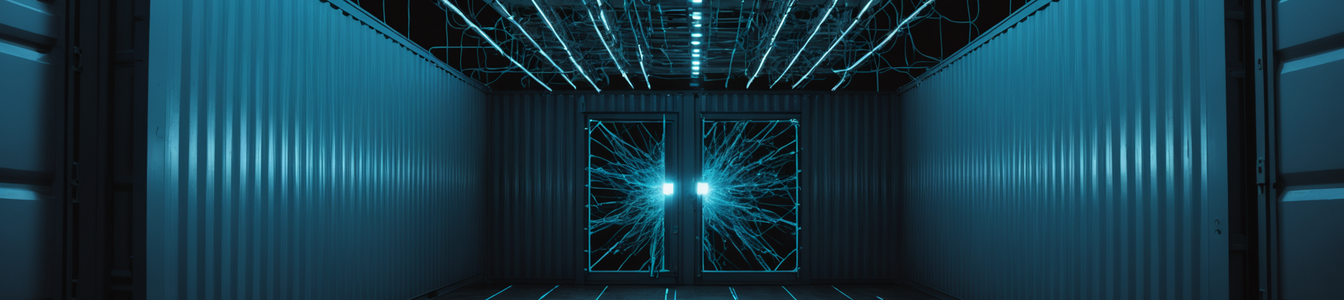
The global digital economy rests on physical foundations that are more fragile than most cybersecurity professionals realize. Recent incidents involving shipping containers and modular infrastructure units across multiple continents have exposed critical vulnerabilities where physical supply chains intersect with digital infrastructure dependencies. These events reveal a dangerous blind spot in traditional cybersecurity risk assessments that fail to account for physical container dependencies.
The Physical-Digital Convergence
Modern digital infrastructure increasingly relies on containerization in both software and physical form. While application containerization has dominated DevOps discussions, physical containerization—from modular data centers and edge computing units to shipping containers transporting critical hardware—has quietly become the backbone of global digital services. The recent Indian Navy-backed evacuation of stranded ships in the Gulf demonstrates how geopolitical and logistical disruptions in shipping lanes can directly impact hardware delivery timelines for data center expansions and equipment replacements.
Incident Analysis: From Residential to Industrial Containers
The tragic container fire in Turkey that claimed multiple lives, including children, highlights the human cost of containerized living arrangements but also reveals a broader pattern. Similar incidents in Germany, where a container fire broke out in an asylum shelter, and in Sweden, where smoke from a container at the Aitik mine required emergency response, demonstrate how container infrastructure permeates multiple sectors. These residential and industrial containers often house critical infrastructure components, backup systems, or temporary operational facilities that support digital services.
Financial and Operational Implications
The announcement regarding MPC Container Ships' ex-dividend date, while primarily financial news, underscores the economic scale of container shipping operations that support global technology supply chains. The container shipping industry's financial health directly affects the cost and reliability of hardware transportation for technology companies. Disruptions in this sector create ripple effects that eventually impact cloud service providers, data center operators, and enterprises dependent on timely hardware deployment.
Cybersecurity Implications
- Supply Chain Transparency Gaps: Most organizations lack visibility into the physical journey of their critical infrastructure components. Container tracking systems often don't integrate with IT asset management platforms, creating blind spots in the hardware lifecycle.
- Single Points of Failure: Containerized modular data centers and edge computing units represent concentrated risk. A single incident—whether fire, flooding, or physical damage—can take entire micro-data centers offline with cascading effects on distributed applications.
- Geopolitical Dependencies: The Indian Navy's involvement in shipping disruptions reveals how geopolitical tensions in critical waterways (like the Gulf region) can directly impact hardware availability for digital infrastructure projects worldwide.
- Emergency Response Limitations: The Swedish mining incident demonstrates how industrial container incidents in remote locations face extended emergency response times, potentially leaving critical infrastructure components vulnerable for extended periods.
Risk Mitigation Strategies
Cybersecurity teams must expand their scope to include physical supply chain risks:
- Integrated Tracking Systems: Implement combined digital-physical asset tracking that monitors containers from manufacturer to deployment location, integrating IoT sensors with existing security information and event management (SIEM) systems.
- Geographic Diversification: Avoid concentration of containerized infrastructure in single geographic regions or along vulnerable shipping routes. Develop alternative sourcing and transportation strategies.
- Resilience Testing: Include physical container failure scenarios in disaster recovery and business continuity testing. Simulate extended shipping delays, port closures, and container damage incidents.
- Vendor Risk Management Expansion: Require container shipping and handling partners to meet specific security standards, including fire suppression systems, environmental monitoring, and physical security protocols for containers carrying critical infrastructure components.
- Regulatory Awareness: Monitor international shipping regulations, insurance requirements, and safety standards affecting container transport, as changes can impact hardware delivery schedules and costs.
The Future of Container Security
As edge computing expands and modular data centers proliferate, the security community must develop new frameworks that address the unique risks of containerized physical infrastructure. This includes standardized security controls for shipping containers carrying IT equipment, improved fire detection and suppression systems for modular data centers, and better integration between physical security teams and cybersecurity operations centers.
The convergence of physical and digital security domains requires breaking down traditional organizational silos. Cybersecurity professionals must collaborate with logistics, facilities management, and supply chain specialists to develop holistic risk management approaches. Only through integrated assessment and mitigation strategies can organizations protect against the hidden vulnerabilities revealed by these recent container incidents.
Conclusion
The series of container-related incidents across multiple countries serves as a wake-up call for the cybersecurity industry. Physical supply chain dependencies represent critical vulnerabilities that threat actors—whether malicious or environmental—can exploit to disrupt digital services. As digital infrastructure becomes increasingly containerized in both software and physical forms, security professionals must expand their threat models to encompass the entire lifecycle of hardware components, from manufacturing through shipping to deployment. The resilience of our digital future depends on recognizing and securing these hidden physical dependencies.
Comentarios 0
Comentando como:
¡Únete a la conversación!
Sé el primero en compartir tu opinión sobre este artículo.
¡Inicia la conversación!
Sé el primero en comentar este artículo.