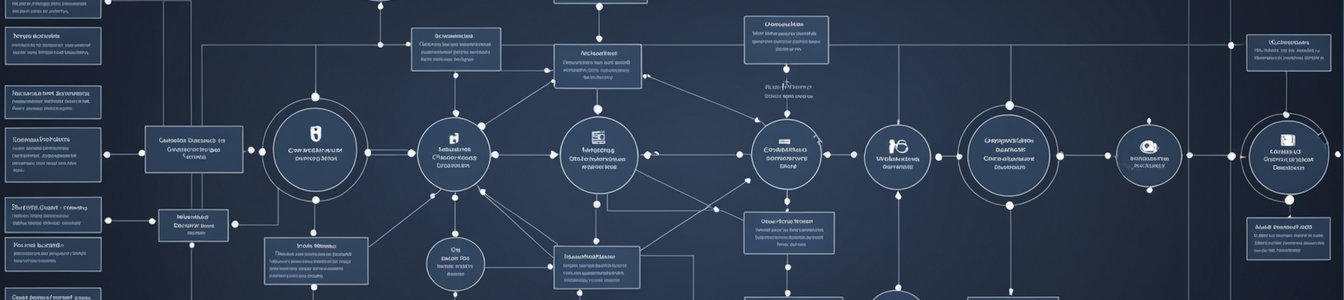
The escalating corporate governance crises affecting companies worldwide are creating unprecedented cybersecurity vulnerabilities that demand immediate attention from security professionals. Recent developments across multiple sectors reveal a disturbing pattern where board-level failures directly compromise organizational security postures, creating entry points for both external attackers and insider threats.
DroneShield's ongoing governance controversy exemplifies how leadership instability can erode trust and weaken security frameworks. The company's governance challenges have triggered significant concerns among investors and security analysts alike, highlighting how internal power struggles and governance failures can create security blind spots. When board members are preoccupied with internal conflicts, critical security oversight often becomes compromised, leaving organizations vulnerable to sophisticated cyber attacks.
Meanwhile, corporate restructuring activities, such as Kwality Wall's demerger from HUL, demonstrate another dimension of governance-related security risks. Major organizational changes frequently create transitional security gaps where accountability becomes blurred and security protocols may be inconsistently applied. During such transitions, insider threats often escalate as employees navigate uncertain organizational structures, while external attackers exploit the temporary confusion to launch targeted attacks.
Positive governance developments also provide valuable insights. EarlySalary's recent ratings improvement from multiple credit agencies underscores how strong governance correlates with enhanced security resilience. Companies with robust governance frameworks typically implement more comprehensive security controls, maintain better incident response capabilities, and demonstrate stronger compliance with security regulations. Similarly, recognition programs like the Golden Arrow Awards highlight organizations that have achieved governance excellence, which often translates to superior security management practices.
The cybersecurity implications of these governance patterns are profound. Security leaders must recognize that governance failures frequently precede security incidents. When boards fail to provide adequate oversight, organizations often experience:
- Inadequate security budget allocation
- Poor security policy enforcement
- Insufficient incident response planning
- Weak third-party risk management
- Ineffective security awareness programs
These deficiencies create a cascading effect where technical security controls become undermined by organizational weaknesses. Advanced security technologies provide limited protection when governance frameworks fail to ensure their proper implementation and maintenance.
The insider threat dimension of governance failures deserves particular attention. Disgruntled employees or executives operating within dysfunctional governance structures may exploit their access privileges for malicious purposes. Without strong oversight and accountability mechanisms, organizations struggle to detect and prevent such threats before they cause significant damage.
Security professionals must take proactive measures to address these governance-related risks. Key recommendations include:
- Establishing direct reporting lines between CISOs and board committees
- Developing board-level cybersecurity literacy programs
- Integrating security considerations into corporate governance frameworks
- Conducting regular security governance assessments
- Creating cross-functional governance committees that include security leadership
Furthermore, security teams should monitor organizational changes, such as mergers, acquisitions, or leadership transitions, as potential indicators of emerging governance-related security risks. Early detection of governance instability can help security leaders implement compensatory controls before vulnerabilities are exploited.
The connection between corporate governance and cybersecurity is no longer theoretical—it's operational. Recent cases demonstrate that governance failures directly enable security breaches, while strong governance provides the foundation for effective security management. As organizations navigate increasingly complex threat landscapes, the integration of security considerations into governance frameworks becomes not just beneficial but essential for organizational survival.
Security leaders must therefore expand their focus beyond technical controls to include governance oversight. By advocating for security-conscious governance practices and building strong relationships with board members, cybersecurity professionals can help create organizations that are resilient to both governance failures and security threats.
Comentarios 0
Comentando como:
¡Únete a la conversación!
Sé el primero en compartir tu opinión sobre este artículo.
¡Inicia la conversación!
Sé el primero en comentar este artículo.