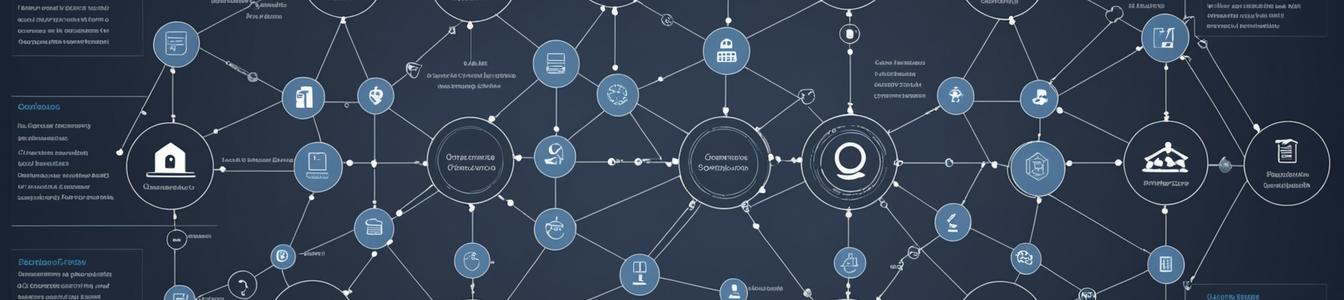
The landscape of corporate governance is undergoing a significant transformation across Indian organizations, with profound implications for internal security frameworks and cybersecurity operations. Recent policy developments are creating a new paradigm where human resource regulations and digital governance initiatives directly influence technical security architectures.
Zero-Tolerance Workplace Policies Reshape Access Control
One of the most striking developments comes from the implementation of strict zero-tolerance policies regarding workplace relationships. Several major Indian corporations have introduced immediate termination clauses for employees engaging in undisclosed workplace romances. From a cybersecurity perspective, these policies necessitate robust monitoring systems and access control mechanisms that can quickly adapt to sudden personnel changes.
Security teams now face the challenge of implementing immediate access revocation protocols while maintaining business continuity. The technical requirements include real-time user provisioning systems, automated account deactivation workflows, and comprehensive audit trails to document access changes. These measures must balance employee privacy concerns with organizational security requirements, creating complex implementation challenges for cybersecurity professionals.
Digital Audit Reforms Through Audit Diwas Initiatives
The Audit Diwas program represents a significant shift toward digital governance and automated compliance monitoring. This initiative emphasizes forward-looking audit reforms that leverage technology to enhance transparency and accountability. For cybersecurity teams, this translates to increased integration between security monitoring systems and compliance frameworks.
Key technical requirements include implementing continuous control monitoring systems, automated compliance reporting tools, and real-time risk assessment platforms. The move toward digital audit processes requires security architects to design systems that can provide granular access logs, maintain data integrity across multiple platforms, and ensure the confidentiality of sensitive audit information.
Evolving Workplace Regulations and Technical Implications
Karnataka's groundbreaking policy mandating paid menstrual leave for women employees introduces new considerations for attendance tracking systems and access management. Cybersecurity teams must ensure that HR systems implementing such policies maintain security while accommodating flexible work arrangements. This includes securing remote access platforms, protecting sensitive health data, and maintaining access controls for employees utilizing these benefits.
Similarly, Delhi's move to online fire permit renewal systems demonstrates the broader digital transformation affecting regulatory compliance. Security professionals must now secure these digital governance platforms against potential threats while ensuring they integrate seamlessly with existing security frameworks.
Integration Challenges for Security Teams
The convergence of these governance changes creates several integration challenges for cybersecurity operations. Security architects must design systems that can:
- Dynamically adjust access privileges based on changing employment status
- Maintain comprehensive audit trails for compliance reporting
- Protect sensitive employee data while enabling necessary business functions
- Integrate with digital governance platforms without compromising security
These requirements demand sophisticated identity and access management solutions, advanced data protection measures, and robust incident response capabilities.
Future Implications and Strategic Considerations
As corporate governance continues to evolve, cybersecurity teams must adopt a proactive approach to policy integration. Key strategic considerations include:
Developing flexible security architectures that can adapt to changing governance requirements
Implementing advanced analytics capabilities to detect policy violations and security threats
Establishing cross-functional collaboration between security, HR, and compliance teams
Investing in security awareness programs that address both technical and behavioral aspects of governance compliance
The ongoing transformation in corporate governance represents both a challenge and an opportunity for cybersecurity professionals. By embracing these changes and developing integrated security solutions, organizations can build more resilient security frameworks that support both operational efficiency and regulatory compliance.
Technical Implementation Recommendations
For organizations navigating these governance changes, several technical implementation strategies prove essential:
- Deploy cloud-based identity governance systems with real-time provisioning capabilities
- Implement data loss prevention solutions that can enforce governance policies across multiple channels
- Develop automated compliance reporting frameworks that integrate with security information and event management systems
- Establish zero-trust architecture principles to minimize the impact of sudden access changes
- Create comprehensive data classification schemes that align with governance requirements
These technical measures, combined with appropriate policy frameworks and employee training, can help organizations successfully navigate the evolving landscape of corporate governance while maintaining robust security postures.
Comentarios 0
Comentando como:
¡Únete a la conversación!
Sé el primero en compartir tu opinión sobre este artículo.
¡Inicia la conversación!
Sé el primero en comentar este artículo.